
How About Gansu Container Houses
Gansu container houses have advantages such as structural stability, flexible space, strong adaptability, and economic practicality, performing well overall and meeting various usage needs.
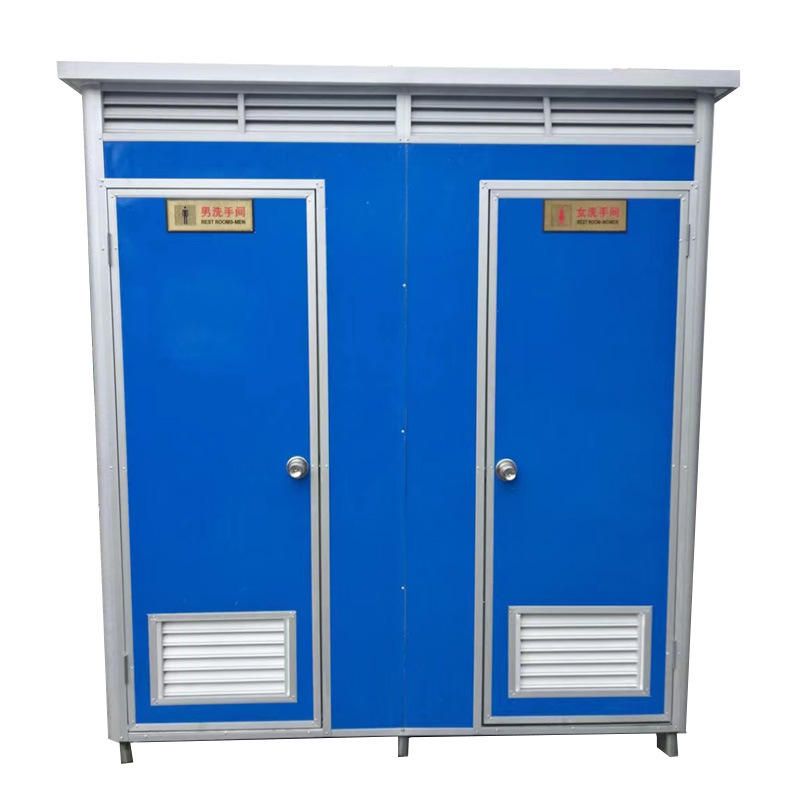
Strong structural stability: In some areas of Gansu with complex geological conditions, container houses are made of weather-resistant steel. The standard frame structure can withstand significant pressure, and the corrugated plate walls provide additional support. When renovated, the original frame is retained, allowing adaptation to various terrains and maintaining stability in complex geological environments.
Flexible spatial layout: A single standard container is approximately twelve meters long, over two meters wide, and over two meters high. It can be arranged horizontally, stacked vertically, or combined in a cross pattern to form living spaces with clear functional divisions, meeting different usage needs. Whether for temporary office work or residence, it can be adjusted flexibly.
High mobility and reusability: Compared to traditional buildings, container houses can be moved as a whole. When changing the usage location, they can be relocated simply by using lifting equipment. If a single container is damaged, it can be replaced individually without affecting the overall structure, improving resource utilization efficiency and reducing usage costs.
Good environmental adaptability: Gansu has hot and dry summers, cold and snowy winters, and windy and sandy conditions in some areas. Container houses can effectively insulate and retain heat, resist wind and sand, and adapt to Gansu's climatic conditions through measures such as increasing the thickness of insulation layers, using double-glazed windows, and enhancing sealing treatments.
Outstanding economic efficiency: Container houses can be installed quickly, with a team able to complete the setup of one unit in two days, saving time and labor costs. They are sturdy and durable, able to withstand Gansu's wind and sand and temperature differences, and can be recycled, significantly reducing long-term usage costs.
Wide range of application scenarios: They are mainly used in temporary office spaces, project headquarters, tourism support facilities, and other fields, being particularly popular in short-term projects. Some people also renovate them into long-term living spaces, but more comprehensive facilities are required.
Diverse product advantages: Some enterprises offer container houses with advantages such as being economical, environmentally friendly, flexible in combination, easy to assemble and disassemble, mobile, earthquake-resistant, waterproof, windproof, with good thermal and sound insulation, clean and hygienic, comfortable and safe for living, exquisite and elegant, and aesthetically pleasing.



