
Gansu Color Steel Mobile Toilet
The Gansu color steel mobile toilet is a mobile sanitation facility designed based on modular construction technology, incorporating features such as environmental protection, water conservation, and climate adaptability. It is suitable for the complex environments in Gansu and the northwest regions.
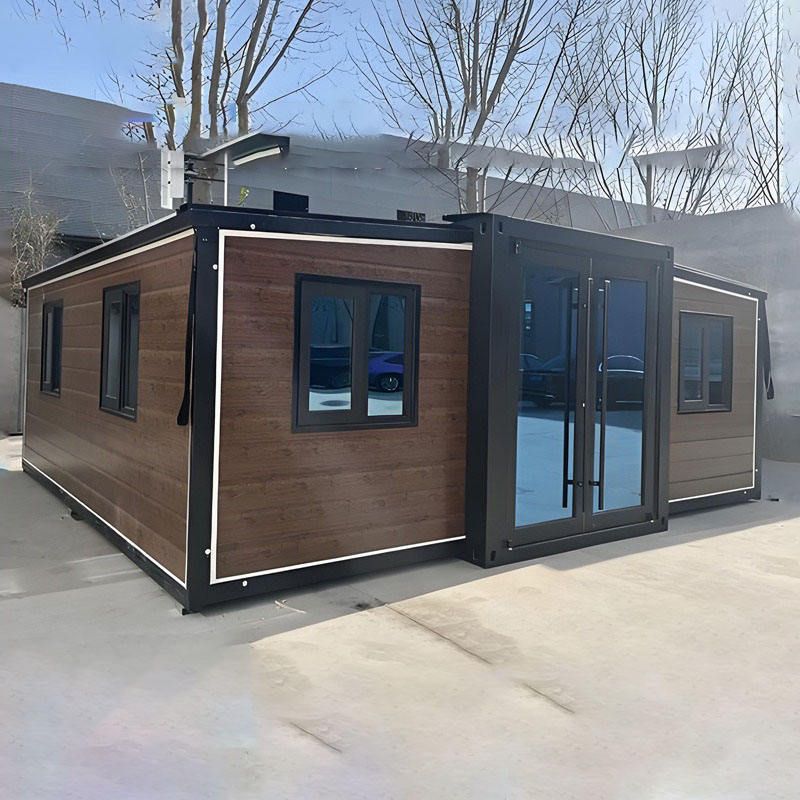
Manufacturing Technology and Material Advantages
Modular construction technology is employed, breaking down the toilet into independent units such as the frame structure, sanitation system, ventilation module, and sewage treatment components. These units are prefabricated in the factory and connected via standardized interfaces, reducing on-site construction time and minimizing environmental impact. The main covering material is aluminum-zinc alloy-coated steel plate, which forms a dense protective film on its surface, enabling it to resist ultraviolet radiation and temperature variations. The internal structure is paired with light steel keels, ensuring strength while controlling transportation weight to adapt to windy and low-temperature environments. During production, the steel plates undergo processes such as stamping, welding (using carbon dioxide gas shielded welding technology), and spraying (with a coating thickness of 80 - 120 microns), forming a complete anti-corrosion system.
Sewage Treatment and Resource Utilization
Manufacturers in Gansu offer three sewage treatment methods: biodegradation, physical separation, and chemical treatment. The vacuum negative pressure and biofilm reaction unit reduces water consumption to 10% of that of traditional toilets. The vacuum pipeline has a diameter of only 32 millimeters, and the slope requirement is reduced to 0.5%, enhancing laying flexibility. The three-stage treatment process includes cyclone centrifugal solid-liquid separation, high-temperature composting (above 55℃ for 7 consecutive days, with a pathogen inactivation rate of 99.9%), and a membrane bioreactor (using hollow fiber ultrafiltration membranes to retain microorganisms). The final outputs are solid humus (a soil amendment) and filtered water (meeting agricultural irrigation standards), achieving a closed material loop.
Climate Adaptability and Environmental Performance
The composite insulated wall uses 100-millimeter-thick rock wool sandwich panels with a thermal conductivity coefficient lower than 0.038 W/(m·K). Paired with an adjustable ventilation ridge, it can lower the temperature by 3 - 5℃ in summer and create a temperature difference of up to 15℃ in winter. The water-saving device has been upgraded to a vacuum negative pressure system, with a single flush using less than 0.8 liters of water. The solar power supply system generates an average of 1.2 kilowatt-hours of electricity per day, supporting off-grid operation. The high-temperature composting technology transforms excrement into resources, promoting the transformation of mobile toilets into ecological nodes.
Industrial Layout and Supply Information
Manufacturers in Gansu have formed a clustered development model, with raw material procurement covering multiple provinces in the northwest. Production equipment has undergone numerical control transformation (such as laser cutting machines and automatic welding robotic arms), and they collaborate with institutions like Lanzhou Jiaotong University to research and develop new composite materials. In terms of pricing, products from Gansu Chuangxinyuan Environmental Protection Equipment Co., Ltd. start at 1,500 yuan and can be customized. Products from Xinxing Container House (Gansu Branch) are priced at 7,500 yuan each, with a total supply of 10,000 units, covering areas such as Lanzhou and Jiayuguan.



