Gannan Self-Driving Mobile Toilets
In the self-driving scenarios of Gannan, mobile toilets are important facilities that adapt to the alpine ecological environment and tourism demands, with their design, functions, and deployment all centered around the characteristics of the geographical environment.

1. Structural Design for Alpine Environments
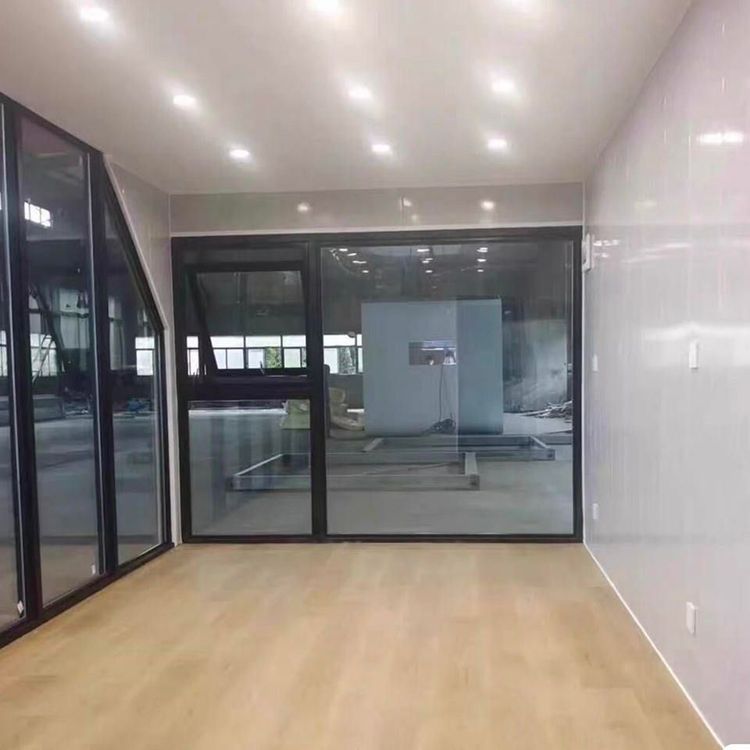
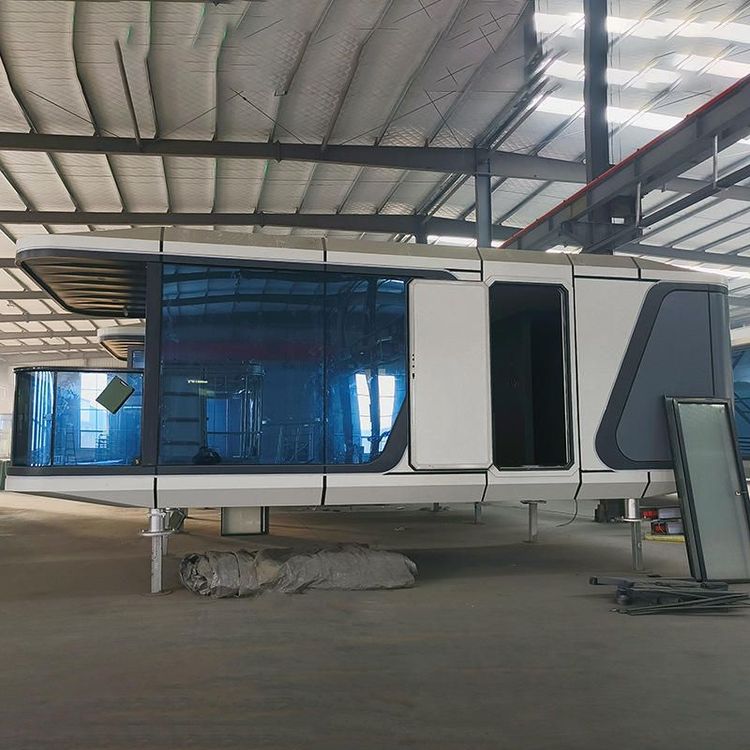
Gannan has an average altitude of over 3,000 meters, with widespread permafrost and a fragile ecosystem. Traditional fixed toilets require extensive ground excavation, which can easily damage soil structure and vegetation roots. Mobile toilets adopt a modular design, eliminating the need for deep foundation construction and reducing disturbance to alpine meadows. For example, some facilities combine lightweight steel structures with detachable panels, enabling quick assembly and disassembly in winter to mitigate frost heave risks. Additionally, to address the severe cold in high-altitude areas during winter, piping systems generally employ electric tracing technology, maintaining water temperatures above 0°C by wrapping heating cables to prevent freezing and blockages. Some biodegradable toilets also incorporate insulation layers to maintain microbial reaction chamber temperatures between 10-15°C, ensuring decomposition efficiency.
2. Functional Types and Resource Adaptability
Mobile toilets in Gannan mainly fall into two categories:
- Biodegradable Type: These utilize psychrophilic microorganisms to decompose waste into carbon dioxide and water. However, low temperatures significantly reduce microbial activity. To enhance reaction efficiency, some facilities add antifreeze bacterial agents or employ ground-source heat pumps for auxiliary heating.
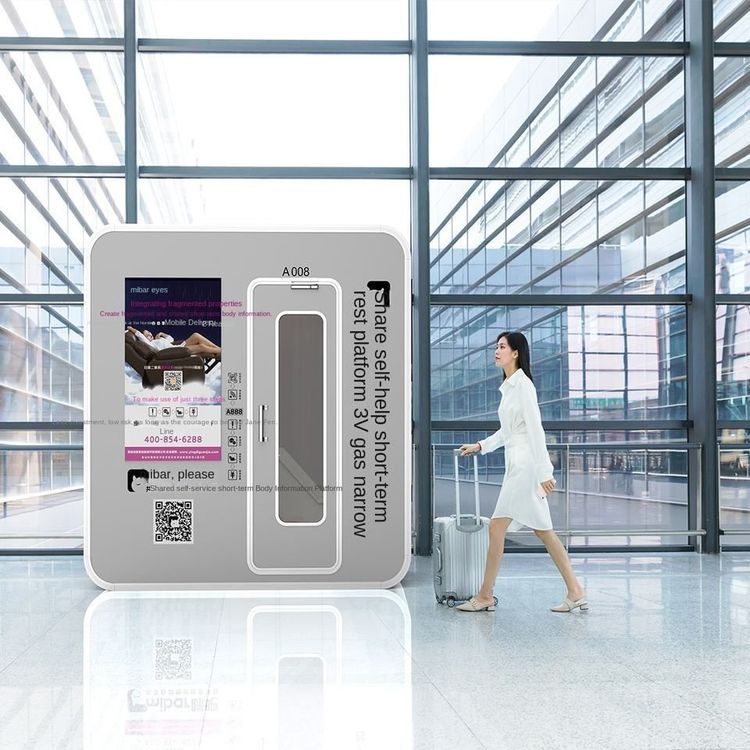
- Vacuum Collection Type: These use negative pressure technology to suction waste into sealed storage tanks, consuming only one-tenth the water of traditional toilets, making them suitable for arid regions with annual precipitation below 600 millimeters. The storage tanks require regular transportation by vacuum trucks to treatment stations to prevent secondary pollution.
3. Dynamic Deployment and Ecological Protection
Tourist traffic in Gannan exhibits pronounced seasonality (60-70% from June to September). Mobile toilets can be rapidly repositioned using trailers or helicopters. For instance, along self-driving routes at scenic overlooks and hiking trailheads, facility quantities can be adjusted based on real-time visitor data to avoid resource idleness or shortages. Deployment strictly adheres to ecological assessments: avoiding surface runoff paths, water sources, and wildlife migration corridors to prevent waste infiltration into water bodies or disruption of animal behavior. Some scenic areas adopt a “decentralized + centralized” model, with centralized treatment stations outside core zones and decentralized mobile toilets nearby, balancing convenience and ecological protection needs.
4. Ecological Benefits and Sustainability
Mobile toilets reduce direct discharge of nitrogen, phosphorus, and other nutrients from waste into soil through physical isolation and preliminary treatment, lowering grassland degradation risks. Studies indicate that each mobile toilet can reduce organic load by approximately 2 tons annually, providing a buffer period for vegetation recovery. Their movable nature also avoids construction waste from abandoned fixed toilets, aligning with the “leave no trace” tourism philosophy. They represent a key technology for achieving dynamic balance between tourism development and ecological protection in Gannan.