
Mobile Toilets in Gannan Park Scenic Area
Mobile toilets in Gannan Park Scenic Area feature unique adaptive designs, with targeted measures in materials, energy utilization, waste treatment, layout planning, maintenance management, and environmental harmony.
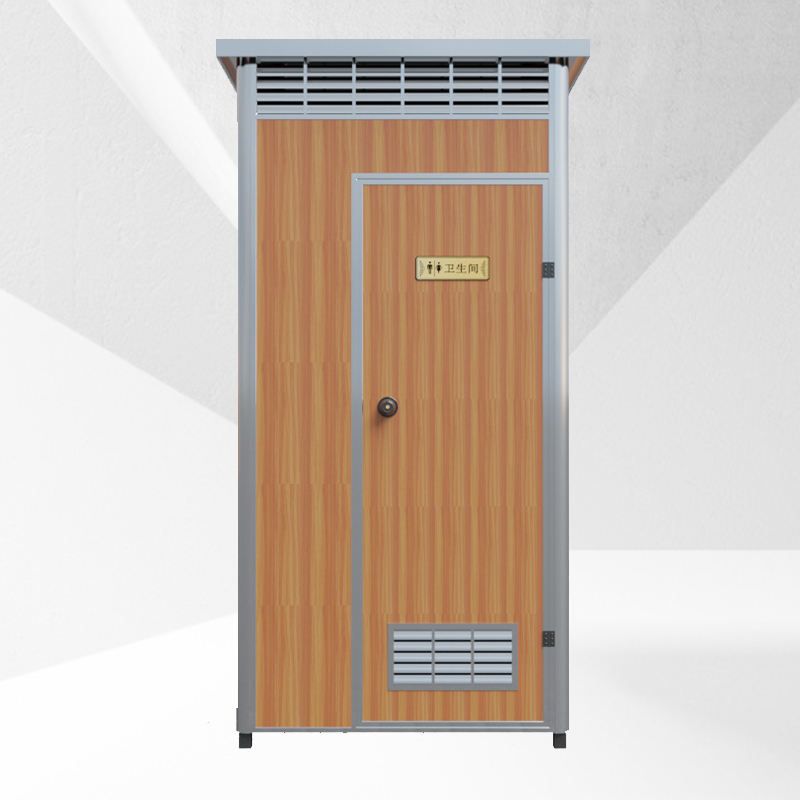
Material Selection: Given the high altitude and significant temperature fluctuations in Gannan, mobile toilets utilize weather-resistant composite materials to address issues such as low-temperature embrittlement and accelerated aging due to high-temperature ultraviolet exposure. The walls predominantly use lightweight composite panels that provide both thermal insulation and structural strength, while the floors are made of slip-resistant, corrosion-resistant synthetic materials to ensure stability and durability under varying climatic conditions.
Energy Utilization: To cope with unstable water and electricity supplies, some mobile toilets are equipped with solar power systems to meet lighting and ventilation needs. Rainwater collection devices help alleviate pressure on flushing water supplies. In waterless conditions, self-contained toilets using biodegradation technology decompose waste through microbial action. The pilot application of solar-powered mobile toilets in Gannan, an area with abundant sunshine, has effectively reduced reliance on external energy sources.
Waste Treatment: Closed-type sewage storage tanks with regular transportation are commonly used. In areas with poor transportation access, on-site treatment technologies are employed, such as adding specific bacterial agents to promote organic matter decomposition, with the final products used as soil amendments for vegetation restoration. Mobile toilets in Gannan scenic areas are mainly divided into two types: those equipped with biodegradation devices and those using vacuum collection systems. Treated waste is typically transported to designated locations for centralized disposal, such as being used as non-agricultural compost material or undergoing harmless treatment before landfilling.
Layout Planning: The layout of mobile toilets requires a comprehensive analysis of tourist behavior patterns and terrain characteristics, with increased density at人流集散点 (visitor gathering points) and reasonable spacing along hiking trails. Toilet locations avoid ecologically sensitive areas, such as wetland edges or wildlife habitats, and elevated foundations are used to minimize damage to surface vegetation. The clarity of the guidance system affects usage efficiency, with some scenic areas installing visitor flow monitoring devices to serve as a basis for facility allocation, balancing demand during peak and off-peak tourist seasons.
Maintenance Management: A periodic operational process is established, including regular cleaning and disinfection, consumable replenishment, and replacement of sewage collection tanks. Cleaning frequency is determined based on usage intensity, with disinfection covering all contact surfaces. The transportation and treatment of sewage must comply with environmental hygiene standards, using dedicated vehicles to transport it to designated treatment facilities. In high-altitude areas, attention must be paid to pipeline freeze protection, with electric tracing technology used to prevent freezing in winter.
Environmental Harmony: The exterior design considers integration with the park's landscape, using color schemes, facade styling, or greening to reduce the visual impact of the facilities. During operation, water consumption and sewage generation are optimized to minimize the impact on the surrounding ecology. User experience is enhanced through reasonable stall sizes that ensure basic activity space, barrier-free design to meet the needs of special groups, and internal accessories such as hooks and shelves for convenience.



