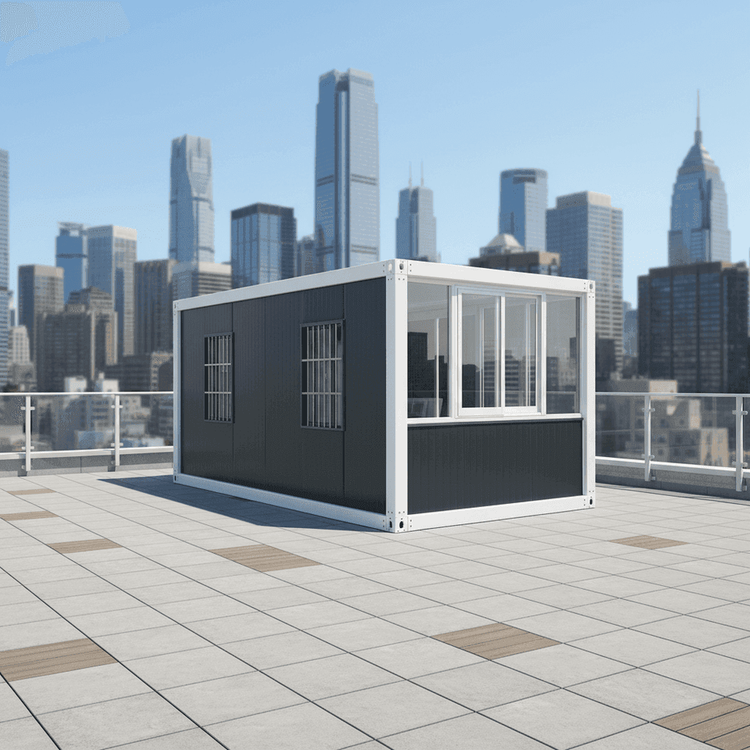
Gannan Mobile Toilet Project
The Gannan Mobile Toilet Project is a public facility construction initiative that integrates local ecological and cultural needs, employing modular design, eco-friendly technologies, and scientific deployment logic. Details are as follows:
I. Project Examples and Core Content
The Urban Management Bureau of Hezuo City once issued a tender announcement for the "Construction of Simple Public Toilets and Maintenance and Transportation of Mobile Toilets in the Dangzhou Scenic Area during the Art Festival", covering three core tasks:
- Construction of Simple Dry Toilets: Rapidly build 40 simple dry toilets within the scenic area to meet short-term high-volume toilet needs;
- Maintenance of Mobile Toilets: Conduct equipment inspections and functional restorations for 7 mobile toilets in the parking lot to ensure their normal operation;
- Hoisting and Transportation Services: Complete 28 hoisting, relocation, and transportation tasks for mobile toilets to achieve dynamic allocation of facilities.
Such projects demonstrate the characteristics of mobile toilets, including "rapid deployment and flexible adjustment", making them suitable for temporary events or seasonal fluctuations in passenger flow.
II. Design Features and Technical Adaptation
The high altitude, strong ultraviolet radiation, large diurnal temperature variations, and ecological sensitivity of the Gannan region drive the optimization of mobile toilet design towards "eco-friendliness, durability, and integration":
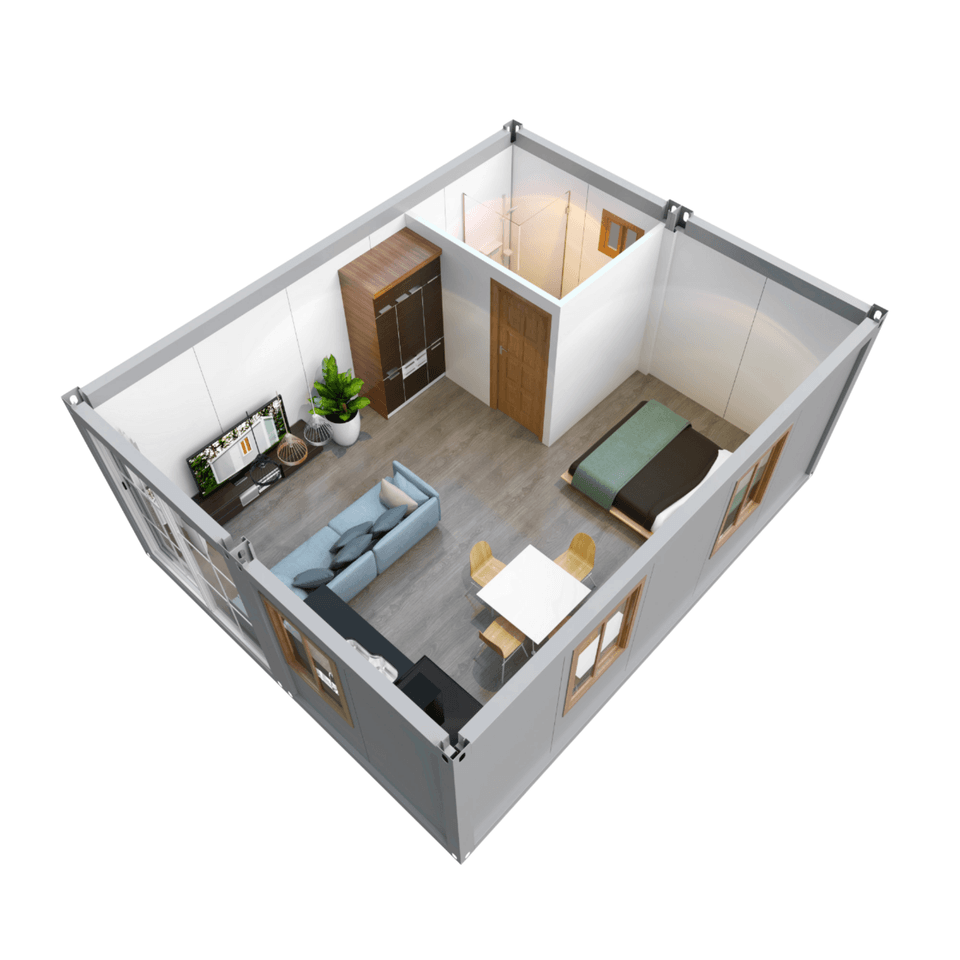
- Modular Architecture: Composed of three major modules—waste collection and treatment, spatial structure and protection, and resource supply and management—supporting on-demand combination and functional expansion;
- Waste Treatment Technologies: Utilize microbial degradation (breaking down organic matter through bacterial communities), high-temperature incineration (harmless treatment), or membrane separation (solid-liquid separation) technologies to reduce environmental pollution;
- Environmental Adaptability Design: Strengthen the spatial structure's resistance to wind and snow loads, and select outer layer materials with anti-ultraviolet coatings; the resource supply module integrates solar photovoltaic panels (for power supply) and rainwater collection systems (for toilet flushing), reducing dependence on external energy sources;
- Visual Harmony: Incorporate Tibetan architectural elements (such as sloped roofs and painted decorations) into the appearance, achieving harmony with the surrounding natural landscape and cultural features.
III. Deployment Logic and Operational Management
- Scientific Site Selection: Follow the principles of "convenience, concealment, and ecological protection", prioritizing areas within a 5-minute walk from viewing paths or event gathering points, avoiding wildlife migration routes and core protected areas of water sources to minimize interference with the ecosystem;
- Dynamic Management: Ensure long-term stable operation of facilities through regular waste removal (daily or adjusted according to usage volume), cleaning and maintenance (disinfection, equipment inspections), and environmental performance monitoring (such as recording energy consumption and water usage data);
- Emergency Response: Pre-allocate mobile toilets in anticipation of peak tourist seasons or large-scale events, and use intelligent monitoring systems to track usage status in real-time, optimizing resource allocation efficiency.
IV. Application Scenarios and Production Support
Prefabricated mobile toilets, with their "detachable and reusable" characteristics, are widely used in Gannan tourist attractions (such as Zhagana and Labrang Monastery) and marathon events. On the production side, Dalian Maipu Technology Co., Ltd. provides eco-friendly mobile toilets and water-saving products, while Jinhua Xin'an Steel Structure Engineering Co., Ltd. supports customized designs to meet the personalized needs of different scenarios.