
Gannan Color Steel Mobile Toilet Installation
The installation of color steel mobile toilets in Gannan should adhere to modular design principles, combining material characteristics with climate adaptability, and achieving efficient construction through standardized processes. The specific steps are as follows:
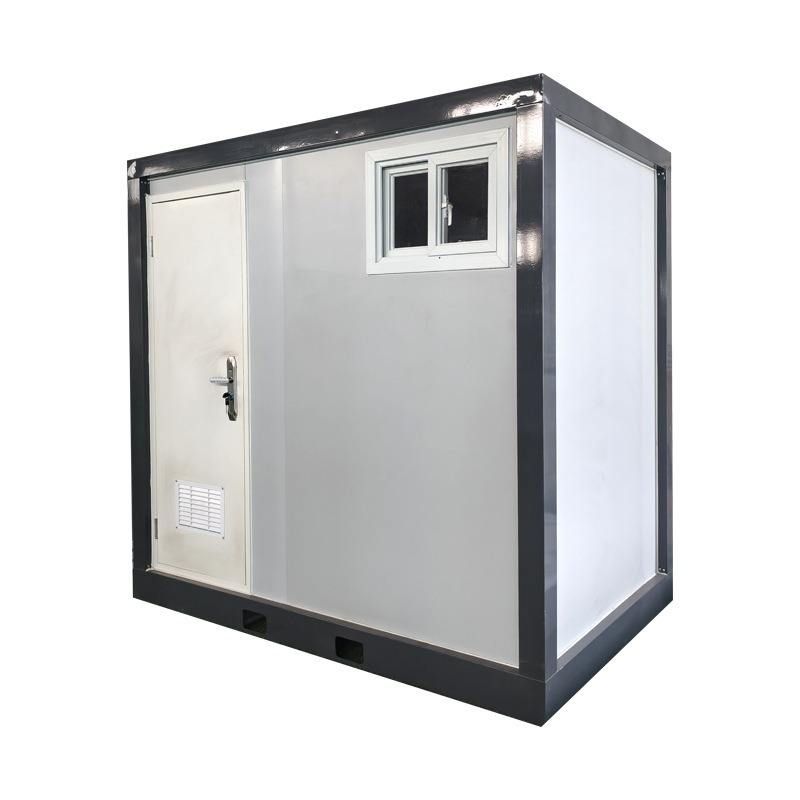
I. Material Characteristics and Preliminary Preparations
The frame of the color steel mobile toilet is made of aluminized zinc steel plate, which has strong corrosion resistance and is suitable for the dry and windy climate in Gannan. The color steel plate is a composite of colored coated steel plate and polyurethane or rock wool, offering both high mechanical strength and weather resistance. Before installation, the site should be surveyed to ensure a flat ground without obstacles, and the bearing capacity of the foundation should be checked and reinforced if necessary. The foundation construction should be flat and stable, with geotextile membrane laid to prevent groundwater leakage, and positions for toilets and windows should be reserved.
II. Modular Installation Process
- Frame Installation: Assemble the prefabricated frame according to the design drawings. All components adopt unified interface standards and achieve millimeter-level precision docking through dedicated positioning fixtures, eliminating the need for on-site welding and reducing construction errors.
- Color Steel Plate Installation: Fix the color steel plates onto the frame in sequence, ensuring firm connections and a flat surface. Appropriate gaps should be left between the plates to provide space for subsequent joint filling.
- Joint Filling Construction: Fill the gaps with fine gravel or dedicated sealing materials to prevent rainwater leakage and ensure structural tightness.
III. Integration of Environmental Protection and Water-Saving Systems
The toilet is equipped with a vacuum negative pressure and biofilm reaction unit, consuming only 10% of the water used by traditional toilets and saving approximately 200 cubic meters of water annually. After three-stage treatment, the solid humus can be used as a soil conditioner, and the filtered water meets the standards for farmland irrigation, achieving resource recycling.
IV. Optimization of Transportation and Climate Adaptability
The external dimensions of the functional modules conform to international standard container specifications, facilitating transportation and rapid deployment. The walls are made of rock wool sandwich panels with low thermal conductivity, combined with adjustable ventilation ridges to adapt to temperature differences in different seasons and ensure stable internal temperature and humidity.
V. Construction Period and Efficiency
The entire installation period is controlled within six working days, with only foundation leveling, embedded part fixation, and main body assembly required on-site, significantly shortening the construction time and reducing the impact on the surrounding environment.



