
Fuxin Park Mobile Toilet
The Fuxin Park mobile toilet is a modern public sanitation facility built using modular prefabrication technology, integrating eco-friendliness, energy efficiency, and intelligent management functions.
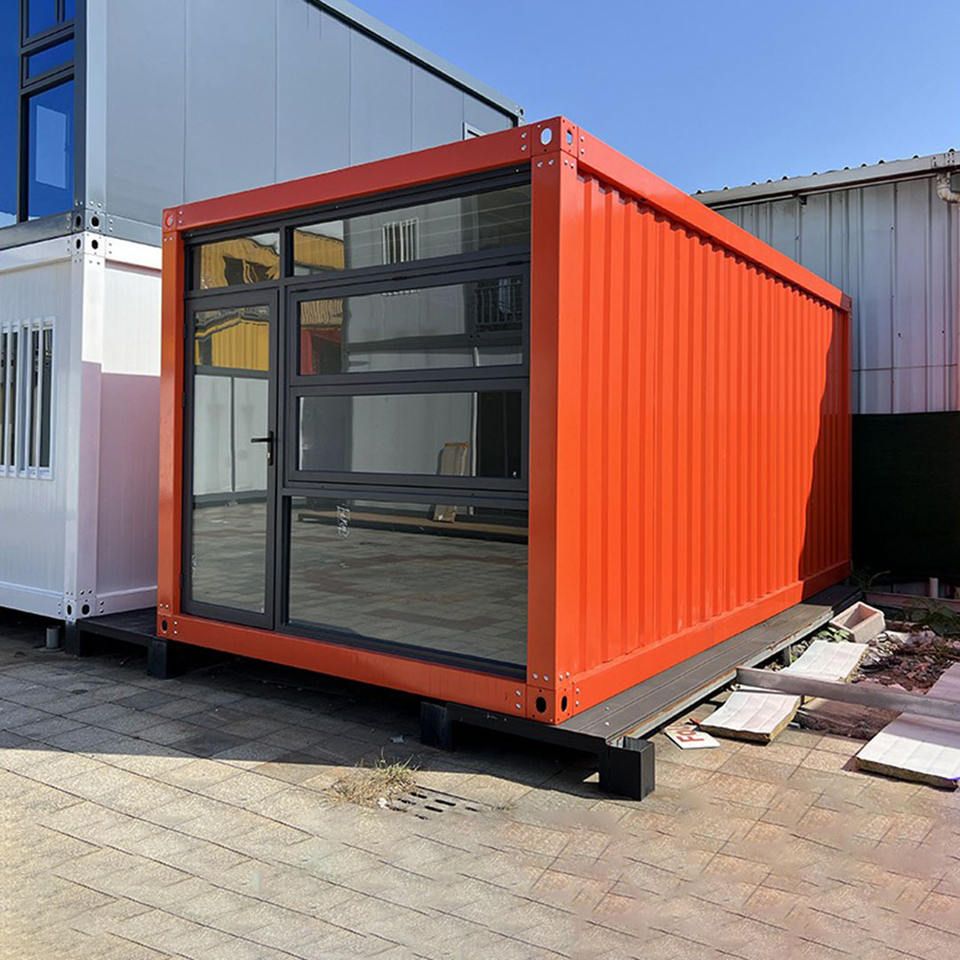
Construction and Materials: It employs modular prefabrication technology, with the main structure manufactured in a factory and then transported to the site for rapid assembly, significantly shortening the construction period. The toilet body is made of fiberglass composite materials, which are corrosion-resistant, moisture-proof, and 100% recyclable. The interior decoration uses bamboo fiber panels, reducing carbon emissions by 60% compared to traditional building materials. The floor features a non-slip design that meets barrier-free access standards, catering to users of all ages.
Eco-Friendly Technologies: It incorporates a water recycling system and biological treatment technology. Domestic wastewater is treated by a membrane bioreactor to meet the standards for reclaimed water reuse, enabling internal circulation of flushing water. Excrement is decomposed by microorganisms into harmless substances, with the remaining organic matter serving as garden fertilizer. A single facility can save 3 tons of drinking water per day, reduce carbon dioxide emissions by approximately 18 kilograms, and avoid damage to vegetation caused by sewage pipeline construction.
Energy-Efficient Design: Solar photovoltaic panels provide power for lighting, ventilation, and water treatment systems, enabling off-grid operation. Vacuum negative pressure or foam sealing technology reduces water consumption for flushing by over 80%. The temperature regulation system uses phase change material heat storage technology to lower energy consumption compared to traditional air conditioning.
Intelligent Management: Sensors monitor real-time data on usage frequency, water and electricity consumption, and equipment status, which is then transmitted via the Internet of Things to a management platform. When cleaning agents are low or equipment requires maintenance, the system automatically generates service orders, reducing fault response time from 48 hours to within 6 hours, ensuring continuous facility availability.
Economic and Service Model: The leasing model covers the full lifecycle costs, including equipment depreciation, energy consumption, and consumable replacement, reducing annual expenses by approximately 30% compared to traditional public toilets (controlled at around 120,000 yuan), with fee adjustments linked to the Consumer Price Index. The service provider is responsible for full lifecycle management, reducing the initial investment pressure on municipal departments and optimizing product performance through market competition.
User Experience: A touchless induction system covers the entire process, from access control to flushing, reducing the risk of cross-infection. An emergency call button is provided to enhance safety. The modular design allows the facility's location to be adjusted according to foot traffic, improving land use efficiency, and 90% of the components can be disassembled and reused at the end of their service life.



