
Future Architecture: Versatile Modular Green Integrated Smart Spaces — Innovation Driving Multi-Scenario Fusion
As technology advances rapidly and environmental awareness takes hold, the building sector is undergoing a real transformation. Future architecture is no longer limited to traditional reinforced-concrete frames; it is moving boldly toward versatile modular green integrated smart spaces. This innovative model, with low energy use and high environmental efficiency, fits cultural-tourism homestays, digital mobile exhibition halls, urban support service stations, temporary sales-office reception centers, and many other scenarios—reshaping how we think about space and lived experience.

I. Modularization: The Code for Efficient Construction
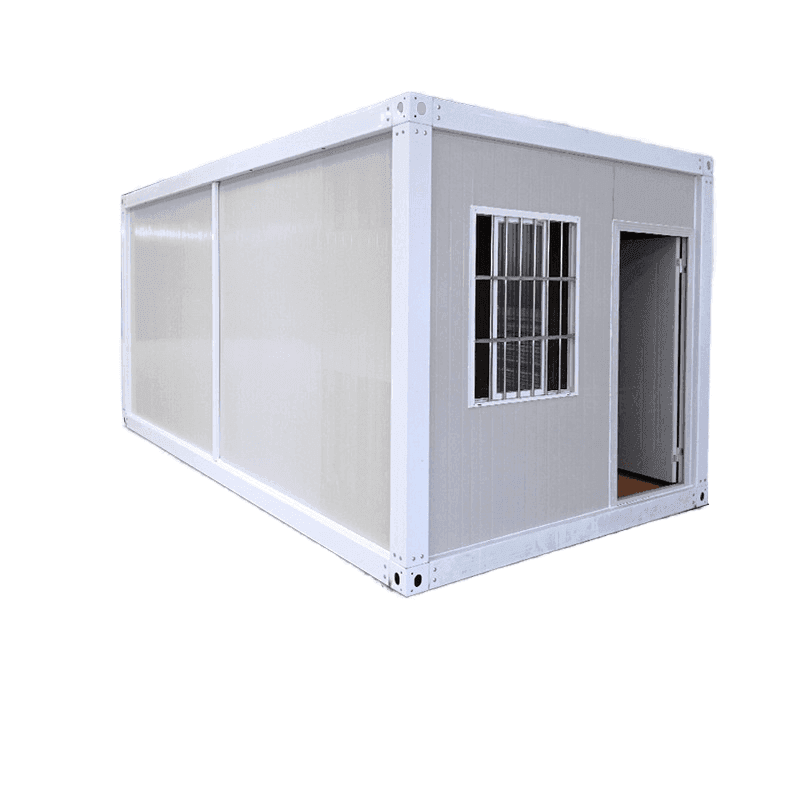
Traditional building is long and complex: from site selection and planning to groundbreaking, it consumes large amounts of labor, materials, and time. Sites roar with noise and dust, and material waste is common. By contrast, modular construction is like industrialization for architecture. Factory prefabrication is the key step: in modern smart manufacturing plants, high-precision robotic arms follow standardized processes to produce refined building modules one after another.
Though modules share unified specifications, they hold endless combination potential. Small modules are like finely made puzzle pieces—only a few square meters—yet they can neatly integrate a bedroom sleep zone with a comfortable smart bed and hidden wardrobes. Mid-size modules expand into living spaces that combine lounge and kitchen: open kitchens with smart cooking appliances, and foldable living-room furniture that switches between leisure and dining. Large modules can form multi-function activity areas that hold dozens of people for small meetings, exhibitions, and more.
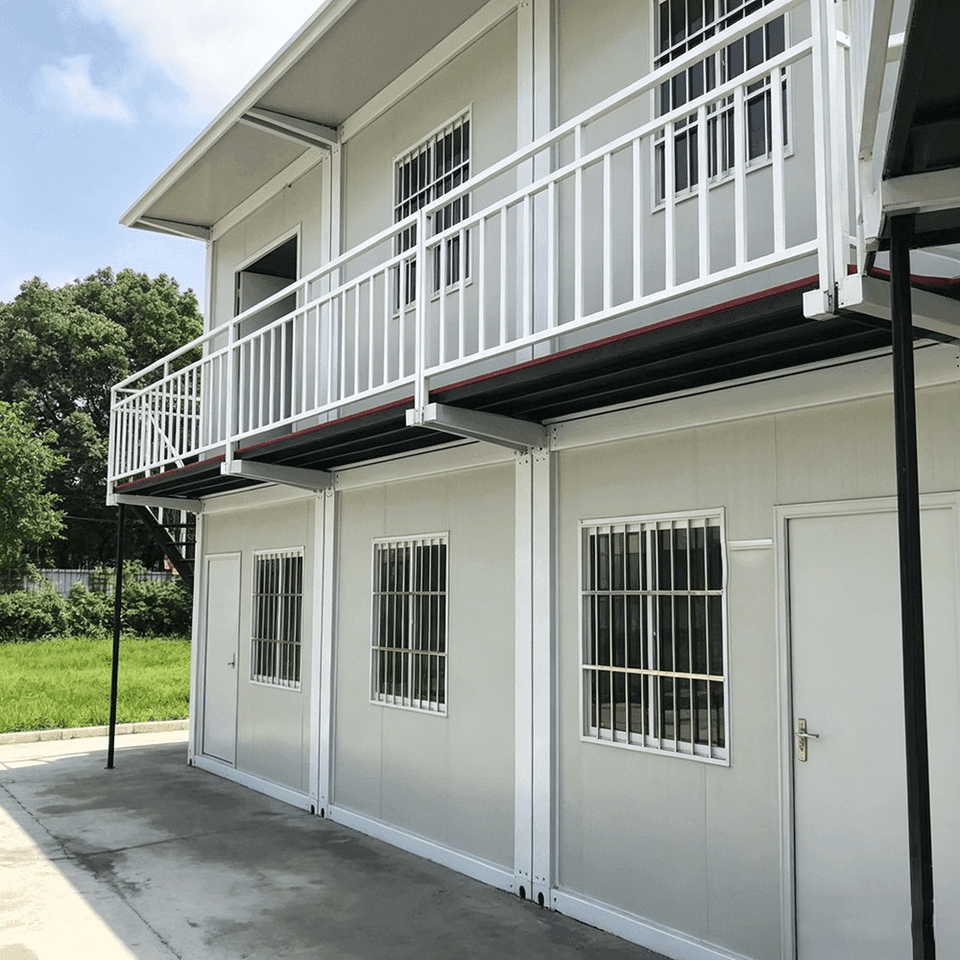
Once modules arrive on site, large assembly cranes and smart handling robots work together to set them into preset positions; workers only need precise connection and commissioning. Take a cultural-tourism homestay: a project that once took months can shrink to weeks with modular methods. That sharply cuts disruption to natural scenery and visitor experience, and cuts construction waste by more than 85%, helping protect the destination ecology and keep landscapes green for guests.

II. Versatile Space: Switching Freely Across Scenarios
1. Cultural-tourism homestays: poetic dwellings of the imagination
In scenic destinations, visitors want immersive local character. Modular homestays can take many forms to match the site—built into wooded hills, or coastal units of transparent glass and steel modules that bring the sea indoors. Interiors are equally flexible: by day, living modules fold furniture away, roll out yoga mats, and become quiet meditation rooms; by night, smart sensing systems unfold beds and draw star-sky projection screens for a romantic sleep setting. For family trips, adjacent modules can open and recombine into a kids' play zone, supporting parent–child time so every stay becomes a lasting travel memory.
2. Digital mobile exhibition halls: a traveling feast of tech and art
In the digital age, information must move fast and stay fresh. Digital mobile exhibition modules answer that need: compact for transport on ordinary days, then expanding quickly at the venue. Exterior LED flexible-screen modules light up with striking campaign visuals. Inside, liftable display platforms adjust to exhibit height, while holographic projection modules cast virtual pieces for a blend of real and digital space. From tech products to art touring shows, the hall adapts quickly, moves city to city, and spreads cutting-edge culture and creativity.

3. Urban support service stations: warm harbors on city corners
On busy urban corners, service stations appear quietly. At dawn they are energy stops for commuters, with coffee modules releasing aroma; in the afternoon, parent–infant modules open for private rest; in the evening, fitness modules unfold so residents can exercise after work. In sudden severe weather, emergency shelter modules activate—supplies and emergency lighting ready at once—as a safety umbrella for citizens, guarding daily city life with versatile service.

4. Temporary sales-office reception centers: agile, eye-catching marketing fronts
During project prep, temporary sales offices must appear quickly and draw attention. Modular reception centers look bold and fashionable: metal-finish modules paired with greenery modules create an eco-tech look. Negotiation modules divide flexibly by visitor flow; for major clients, smart glass partitions enclose a private luxury space. Show-home modules switch layouts quickly, combining VR with physical finishes so buyers can immerse themselves in a future home and accelerate marketing for the development.

III. Green Integration: A Smart Source of Ecological Care
1. Energy management: self-sufficient solar power
The building skin is the main field for solar use: high-efficiency monocrystalline PV panels cover fluid curved surfaces and expand collection area. At sunny tourism homestays, daytime power covers lighting and smart appliances and can feed EV chargers on site; digital mobile halls rely on solar to run holography, large screens, and other high-load gear, free of venue grid limits for truly green exhibitions. Inside, smart energy systems monitor use in real time and optimize allocation by scenario demand to prevent waste.

2. Water recycling: closed-loop use that nourishes everything
Rainwater capture is basic: pitched roofs speed runoff into underground filter basins, then purified water fills storage tanks. Tourism homestays irrigate surrounding plants for poetic courtyards; urban stations use it to rinse floors and keep streets clean. With water-saving fixtures, overall water-use efficiency exceeds 80%, supporting conservation where water is scarce.
3. Material innovation: from nature, back to nature
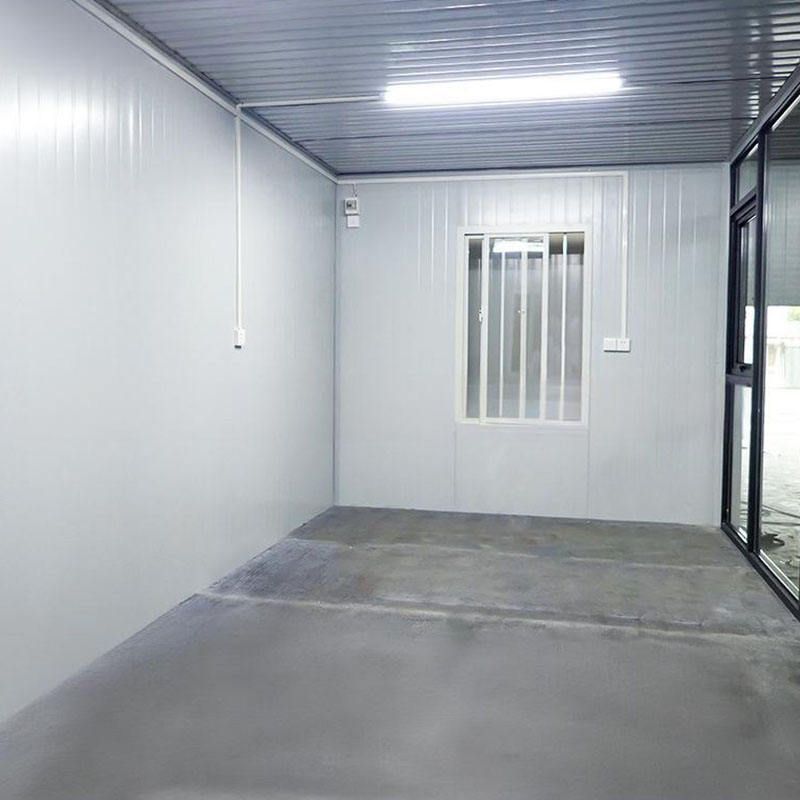
Module structures use recyclable high-performance composites instead of formaldehyde-emitting boards. When a scenic homestay is removed or remodeled, materials can be dismantled, recovered, and reused; station furniture and finishes use bamboo, recycled plastics, and other eco materials, cutting environmental load at the source across the building life cycle.

IV. Smart Sensing Interaction: Immersive Experience Powered by Tech
1. Smart living: an attentive private butler
In tourism homestays, voice assistants link whole-home devices: at dawn they open curtains and play soft music to wake guests; at night they adjust temperature and arm security. Guests can remote-control inter-module light shows via phone apps for romantic moments. Bathroom smart mirrors show health data and weather so travel living stays convenient and secure.

2. Mobile exhibition halls: journeys across real and virtual
In digital mobile halls, AI guide robots welcome visitors and tailor routes by interest. Beside exhibits, AR zones let guests gesture to explode product structures and explore history—immersive interaction that makes learning vivid and sparks curiosity.
3. Urban stations: responsive, caring companions
Smart sensing screens at urban support stations recognize age and need and push tailored service info. Wearables in fitness zones link to equipment, guiding posture and logging data for personal plans. Temperature and humidity sensors in parent–infant rooms auto-tune comfort with thoughtful care.
4. Marketing support: imagining the home of tomorrow
At temporary sales reception centers, VR panoramic tours let buyers walk show homes without leaving home, switching finishes and furniture layouts. In the sales model area, holography shows future neighborhood plans while AI service answers questions—using tech to speed purchase decisions and open a smarter home-buying era.
V. Overcoming Challenges: The Road of Steady Progress
1. Technology integration: joint innovation under pressure
Fusing solar, smart interaction, and module joining is hard; system interfaces need careful compatibility tuning. Research teams collaborate across disciplines to develop unified communication protocols so PV power stably feeds smart devices and module joints do not disrupt internal wiring—empowering buildings through integrated innovation.
2. Customization bottlenecks: exploring flexible production
Deep personalization across scenarios tests manufacturing flexibility. Our company introduces Industry 4.0 flexible lines, using 3D printing for custom decorative parts and smart molds that quickly reshape modules—moving from mass standardization to small-batch customization while balancing efficiency and individuality.
3. Complex O&M: upgrading smart operations
Multi-scenario buildings are hard to operate; faults are hard to diagnose. IoT remote O&M platforms monitor equipment in real time, AI predicts risk, work orders dispatch automatically, and technicians guide repairs remotely—cutting costs and keeping buildings running efficiently.

VI. Looking Ahead: A Blueprint of Endless Possibility
As 5G, quantum computing, and other frontier tech merge in, future buildings will evolve into super-intelligent systems. Tourism homestays can share travelers' stories worldwide in real time; digital halls can link global art across space and time; urban stations can deliver what citizens need; sales offices can holographically recreate future community life. On the path to global sustainable development, versatile modular green integrated smart spaces will become vitality engines for cities, scenic areas, and beyond—carrying, with low energy use, strong environmental performance, and rich experience, humanity's lasting pursuit of better living and innovative growth.




