Back to blog
Article
How to Choose Futian Mobile Toilets
Admin September 28, 2026
Choosing Futian mobile toilets requires a comprehensive consideration of usage scenarios, material craftsmanship, sewage disposal methods, and key parameters, as detailed below:

1. Match the style according to the usage scenario
Different scenarios have significantly different functional requirements for mobile toilets.
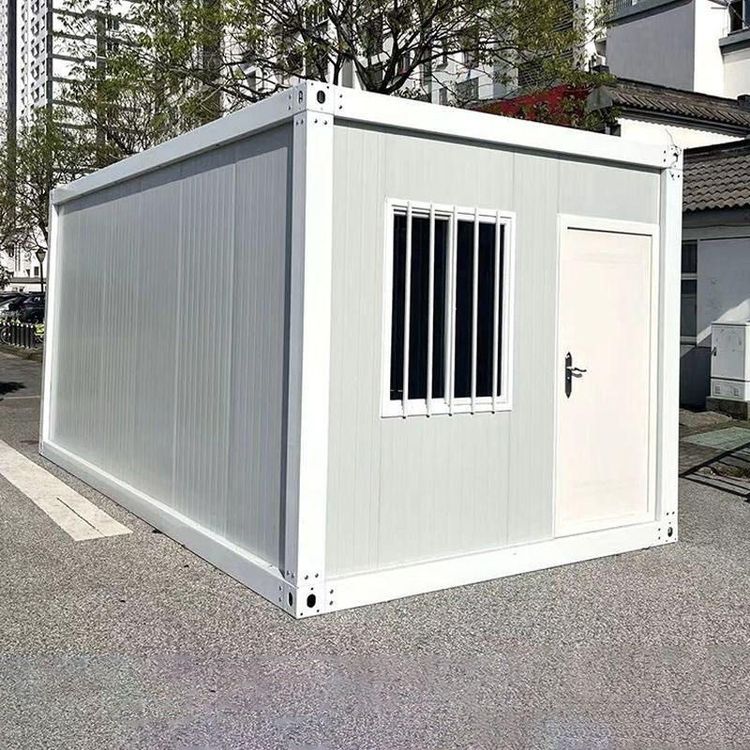
- Construction sites, temporary construction sites, short-term events: Prioritize choosing simple steel-structured mobile toilets, which have a sturdy structure, are easy to assemble and disassemble, and can be repeatedly transported to meet temporary usage needs.
- Scenic spots, parks, municipal roads, cultural and tourism parks: Recommend prefabricated landscape mobile toilets, which have a simple and elegant appearance, good sealing properties, effectively reduce odor accumulation, and have high coordination with the surrounding environment.
- Rural outdoors, camping bases, sites without sewer networks: Suitable for sewer-free ecological mobile toilets, which do not require complex civil engineering construction, have reasonable sewage disposal designs, and feature anti-leakage and easy-to-clean characteristics, adapting to conditions without municipal sewer networks.
- Large-scale events such as sports competitions, exhibitions, and team-building activities: It is advisable to choose multi-compartment mobile public toilets, which have a sufficient number of squatting positions, can improve personnel turnover efficiency, and avoid queuing congestion.
2. Focus on examining material craftsmanship
Materials directly affect the durability and user experience of mobile toilets.
- Main frame: High-quality products often adopt hot-dip galvanized square steel welded frames, which have strong wind, sun, and corrosion resistance, with a service life of up to more than 10 years; steel structures or stainless steel materials can further enhance structural stability and corrosion resistance.
- Exterior wall panels: Choose according to the scenario:
- Metal embossed panels: Provide thermal insulation, waterproofing, and corrosion resistance, suitable for long-term usage scenarios such as municipalities and scenic spots;
- Color steel panels: Lightweight and cost-effective, suitable for short-term temporary usage on construction sites;
- Landscape modeling panels: High aesthetic appeal, suitable for scenarios with high aesthetic requirements such as gardens and cultural and tourism scenic spots.
- Internal configurations: Basic configurations should include slip-resistant and wear-resistant floors, odor-resistant ceramic sanitary ware, ventilation and air exchange equipment, energy-saving lighting, privacy door locks, and storage hooks, with a focus on sealing craftsmanship and odor control designs to prevent odor diffusion.
3. Choose sewage disposal methods based on site conditions
Sewage disposal methods directly affect later operation and maintenance costs and convenience.
- Biodegradable type: Decomposes excrement through microorganisms, without the need for external water sources or sewage pipelines, suitable for areas with scarce water resources;
- Fecal storage tank type: Requires regular cleaning of the fecal storage tank and needs to be accompanied by professional cleaning services, suitable for sites with cleaning conditions but without sewer networks;
- Direct discharge type: Requires connection to municipal sewage pipelines, suitable for long-term usage in fixed locations.
4. Pay attention to other key parameters
- Area and weight: The weight of conventional models is about 0.5 tons, which can be transported by lifting; choose sizes according to the number of users to avoid space waste or overcrowding.
- Weather resistance: Aluminum-zinc coated materials can withstand temperature differences from -20℃ to 50℃, adapting to climate differences between the north and the south, and extending service life.
- Certification standards: Prioritize choosing products that have passed the EU CE certification to ensure compliance with safety, health, and environmental protection requirements.