
Funny Mobile Toilet Ventilation
Although there is no specific design information for the funny mobile toilet, the ventilation design of mobile toilets generally needs to balance efficient ventilation and odor isolation. Here are some common design points:
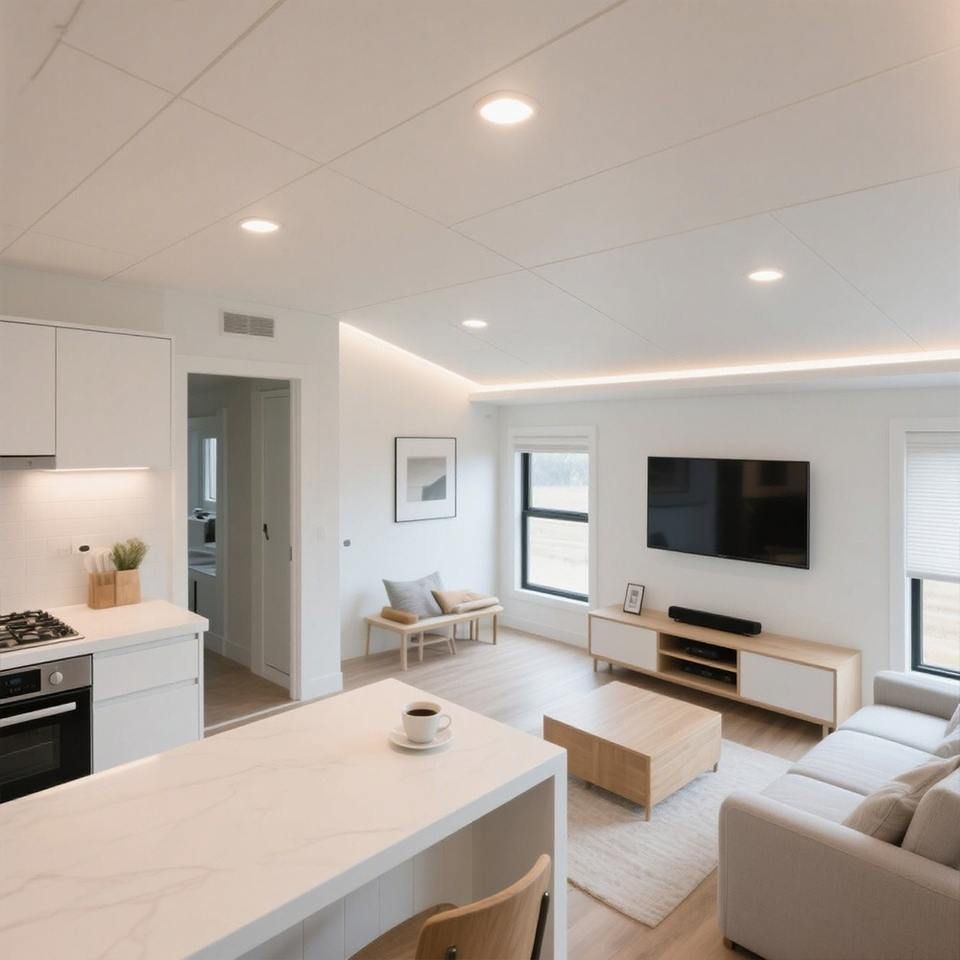
I. Window Design The window design of mobile toilets needs to meet the dual requirements of efficient ventilation and privacy protection. Up-and-down sliding ventilation windows are a common choice. Their narrow and long design can increase the air circulation area while reducing the occupation of internal space. Their double-glazed structure (frosted glass on the outer layer + adjustable blinds on the inner layer) can ensure privacy and control the ventilation volume by adjusting the angle of the blinds. Fixed windows reserved at the bottom can assist in ventilation, especially in winter or low-wind-speed environments, by forming a convection cycle to improve air exchange efficiency.
II. Rotary Air Exchange Windows Rotary air exchange windows are designed to open and close at a 45-degree angle, utilizing aerodynamic principles to create a vortex effect and accelerate the expulsion of odors. A single window can exchange up to 30m³/h of air, making it suitable for small mobile toilets. The window is equipped with an insect screen and a primary filter to block mosquitoes and large particles of pollutants while reducing odor backflow. Such designs require regular cleaning of the filter to prevent blockage and ensure ventilation effectiveness.
III. Winter Ventilation Strategies In cold winter environments, the ventilation of mobile toilets needs to balance frost prevention and air exchange requirements. Front door ventilation louver windows can utilize natural wind pressure to create passive ventilation, reducing heat loss; rear wall exhaust fans can quickly expel odors through mechanical forced ventilation. It is recommended to choose low-noise, low-energy-consumption models. During non-use periods (such as when going out during the day), windows can be opened for ventilation. After use, open the windows immediately for 5-10 minutes to expel odors, then close the windows slightly to avoid prolonged opening leading to excessively low internal temperatures. It is not recommended to ventilate continuously for 24 hours to avoid increasing energy consumption or causing pipe freezing risks.
IV. Auxiliary Ventilation Measures In addition to natural and mechanical ventilation, mobile toilets can also improve ventilation efficiency through internal layout optimization. For example, installing the toilet near the ventilation opening to shorten the odor diffusion path; adopting a sloped roof design to increase thermal pressure ventilation effects; or installing activated carbon filters to adsorb residual odors. Regular cleaning of ventilation ducts and air exchange equipment is also key to maintaining ventilation performance.



