
Full-Process Bidirectional Mobile Toilet
Currently, there is no clear information indicating the existence of a specific product or concept called a 'full-process bidirectional mobile toilet'. The following provides a detailed explanation from the perspectives of common types and movement methods of mobile toilets:
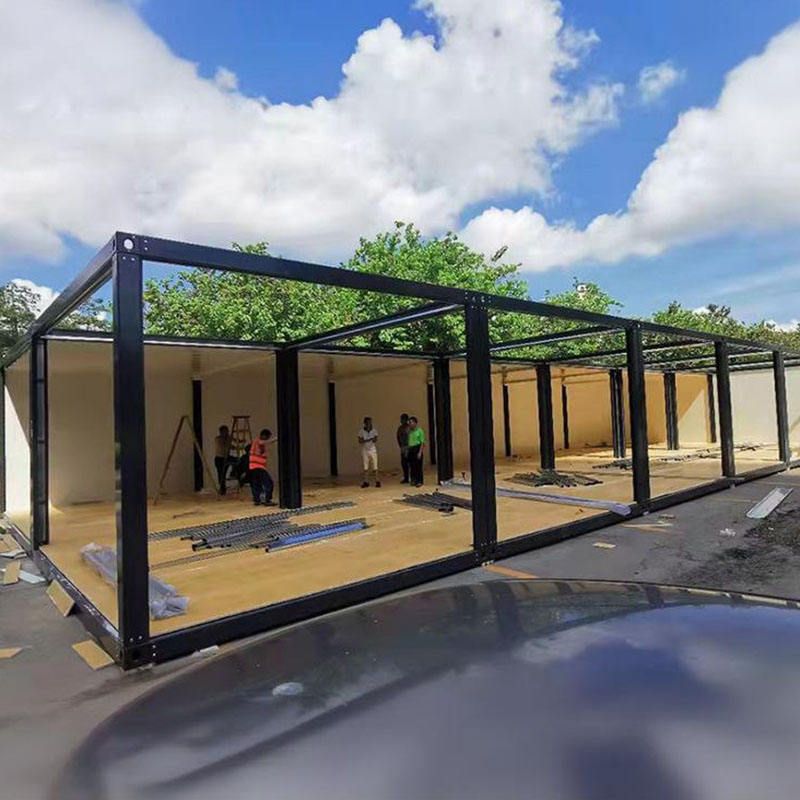
Common Types of Mobile Toilets
Mobile toilets come in various types based on different usage needs and design features. Single-unit mobile toilets typically have a simple structure and a small size, making them easy to move and place individually. They are suitable for temporary events, construction sites, and other locations, quickly meeting basic toilet needs. Combined mobile toilets are composed of multiple single units and can be flexibly adjusted in scale according to the actual number of people and usage scenarios. They are commonly found in large-scale events, exhibitions, and other densely populated areas. Barrier-free mobile toilets fully consider the usage needs of special groups such as the disabled, featuring barrier-free access, handrails, and other facilities, reflecting humanized design. Eco-friendly mobile toilets focus on environmental protection and resource recycling, using technologies such as biodegradation and microbial treatment to reduce environmental pollution. They are suitable for scenic spots, parks, and other locations with high environmental requirements. Luxury mobile toilets have higher-end interior decoration and facility configurations, providing a comfortable toilet environment. They are often used in high-end events and important occasions.
Movement Methods of Mobile Toilets
The movement methods of mobile toilets are mainly divided into lifting/handling types and powered/trailer types. Lifting/handling mobile toilets require lifting equipment such as cranes for handling and installation. They are suitable for relatively fixed locations that require occasional movement, such as some temporary construction sites, where the toilet position can be adjusted according to needs at different stages of the project. Powered/trailer mobile toilets have their own power systems or can be moved by vehicle towing, offering greater mobility. They can be quickly relocated as the event progresses or as needs change, such as at the sites of touring performances, where the toilet setup can be adjusted in a timely manner according to changes in the performance venue. However, regardless of the type of mobile toilet, there is currently no design or functional description of 'full-process bidirectional movement'. If you want to learn more about relevant information, it is recommended to supplement specific application scenarios or technical parameters to narrow down the search scope.



