
Fuling District Container House Design
The design of container houses in Fuling District focuses on modularity, functionality, and environmental protection, featuring safety, convenience, and versatile applications. Its design philosophy integrates modern architectural techniques with sustainable development needs, with specific characteristics as follows:
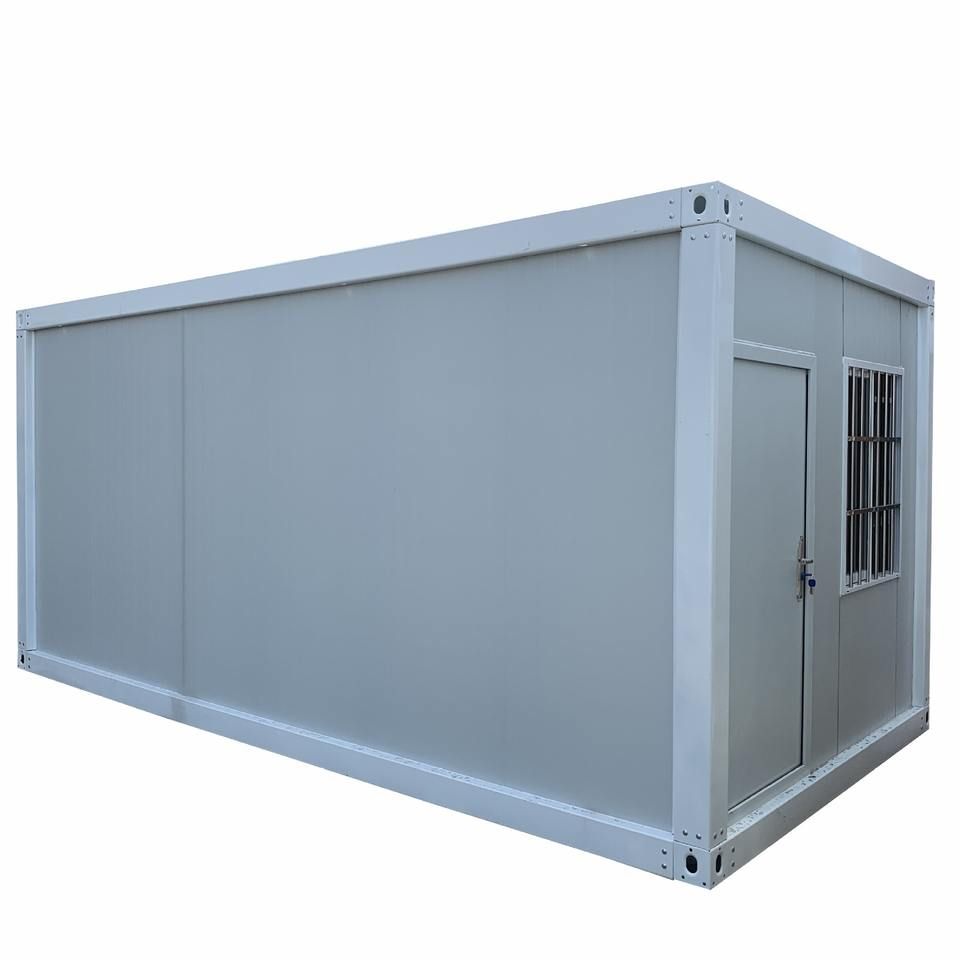
1. Robust and Safe Structure with Strong Disaster Resistance
Container houses are fixed through integral welding, forming an integrated frame structure that offers higher earthquake and wind resistance compared to traditional brick-and-mortar buildings. In extreme weather conditions such as earthquakes, typhoons, or heavy rain, the metal frame and welded joints effectively disperse stress, reducing the risk of collapse. Additionally, the standardized dimensions and industrial-grade materials (such as weathering steel) of containers ensure long-term stability, making them suitable for temporary or permanent buildings in areas with complex geological conditions or frequent disasters.
2. Environmentally Friendly Materials Integrated with Decoration
The interior decoration materials of the house strictly adhere to national environmental standards. For example, the floor is laid with tiles to avoid the release of harmful substances like formaldehyde; walls and ceilings integrate water and electricity lines, doors, windows, and exhaust fans through one-time decoration processes, reducing construction dust and waste. This design not only shortens the decoration cycle but also reduces material waste through modular production, aligning with green building principles.
3. Flexible Design to Meet Personalized Needs
Container houses support various home styles such as modern simplicity and industrial style, allowing users to adjust the interior layout or add decorative elements according to their preferences. Their core advantage lies in spatial expandability: by stacking and combining multiple container modules, rooms can be quickly added or functional areas (such as additional bedrooms, offices, or storage rooms) can be adjusted to accommodate changes in family size or temporary event needs.
4. Convenient Relocation, Reducing Overall Costs
During relocation, there is no need to dismantle the interior structure; only lifting equipment is required to move the entire container module. Items inside the room can be transferred along with the container, avoiding material waste and labor consumption associated with traditional building demolition. This feature makes them ideal choices for temporary housing on construction sites, emergency relief housing, or mobile commercial venues.
5. Efficient Installation, Adaptable to Multiple Scenarios
Container houses can be assembled directly on flat ground or stacked up to two floors (with stabilizing fixtures to enhance stability), without the need for complex foundation treatment, significantly shortening the construction cycle. Their application scenarios are wide-ranging, including but not limited to:
- Temporary buildings: such as construction site dormitories and exhibition halls;
- Social and living buildings: container villas, offices, and cafes;
- Special-function rooms: eco-friendly residences equipped with solar power systems or safe houses integrating fire prevention, moisture resistance, theft prevention, and sound insulation technologies.
6. Comprehensive Functions, Comparable Performance to Traditional Residences
Through optimized design, container houses meet traditional building standards in terms of thermal insulation, sound insulation, and fire prevention. For example, thermal insulation materials like rock wool boards are used to improve energy efficiency, while anti-theft doors and windows and sound insulation layers enhance security and privacy. Some high-end models also integrate renewable energy equipment such as solar panels and rainwater collection systems, further reducing reliance on external resources.
In summary, the design of container houses in Fuling District achieves a balance between safety, economy, and environmental protection through structural innovation, material optimization, and functional integration, providing a flexible and efficient solution for modern architecture.



