
Fujin Container House
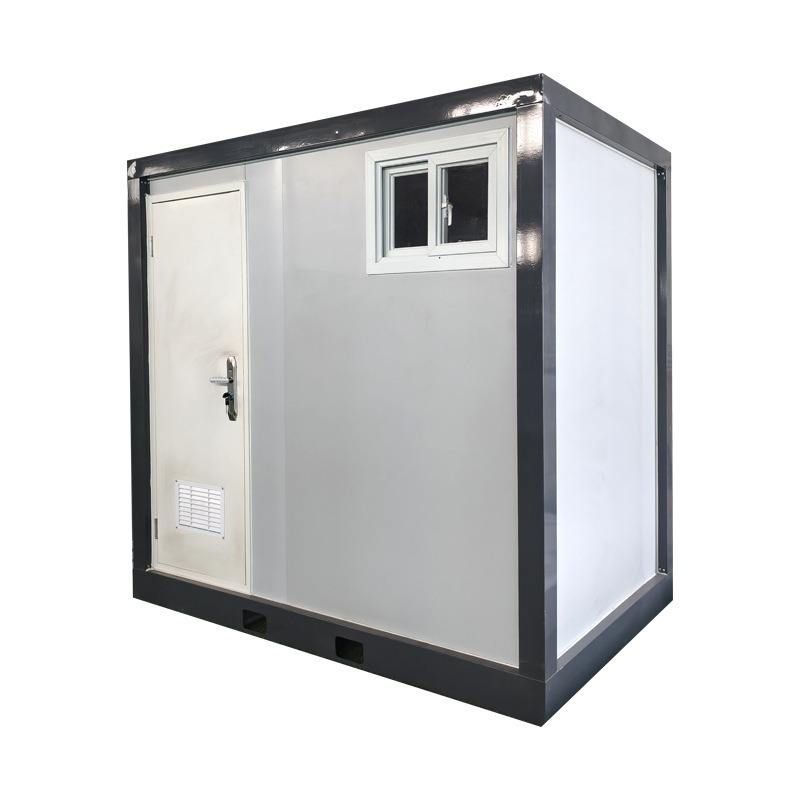
Fujin container houses generally refer to habitable or office buildings that are transformed from containers as the basic structural modules. They are characterized by sturdiness, durability, easy construction, environmental friendliness, flexibility, and low cost, and are widely used in areas such as temporary housing, creative spaces, and post-disaster emergency buildings. Here is a detailed introduction to Fujin container houses:
I. Basic Concepts and Characteristics
Container houses, also known as container mobile homes, container residences, or inhabitable containers, are architectural forms created by transforming containers as the basic structural modules. Their core characteristics include sturdiness, durability, easy construction, environmental friendliness, flexibility, and low cost. These characteristics give container houses significant advantages in various scenarios, such as serving as workers' dormitories on construction sites, rental housing, temporary housing, creative spaces, and post-disaster emergency buildings.
II. Application Areas and Cases
The application areas of container houses are extensive and not limited to temporary housing. For example, the 2026 Nagoya Asian Games in Japan will use container houses to build the Asian Games Village, and a characteristic homestay scenic spot created using container houses has emerged in Shanting District, Zaozhuang City, Shandong Province, China. In the construction of emergency medical facilities, container houses play an important role due to their rapid deployment capabilities. In addition, in the commercial sector, some brands have transformed them into innovative applications such as 24-hour self-service fitness pods.
III. Technological Optimization and Research
With technological development, container houses are continuously being optimized in terms of thermal insulation performance, energy supply systems, and intelligent management. For example, the use of new photovoltaic-thermal panels instead of traditional solar collectors and the replacement of radiator heating with underfloor heating systems have significantly improved the stability and comfort of indoor temperatures while reducing electricity costs and environmental burdens.



