
Cost-Performance of Prefabricated Houses in Fujian
The cost-performance of prefabricated houses in Fujian is generally high, with significant advantages in terms of cost, performance, efficiency, functionality, and environmental protection. However, there are limitations in design flexibility and potential quality issues.
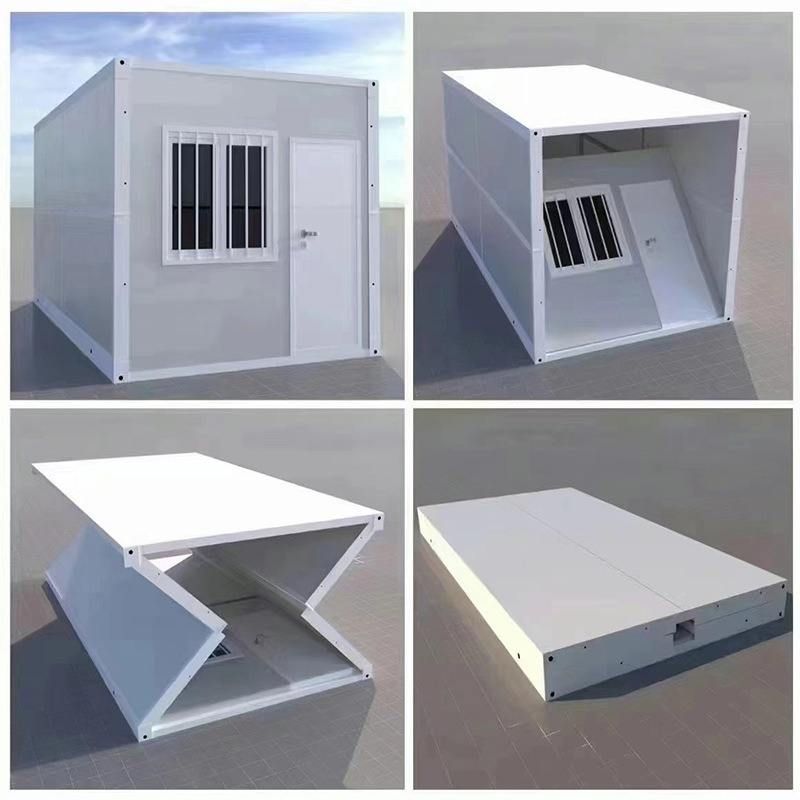
1. Outstanding Cost Advantages and Significant Economic Efficiency Prefabricated houses in Fujian significantly reduce overall costs through modular production and standardized construction. For example, the main structure of a 100㎡ assembled concrete house costs approximately 120,000 to 150,000 yuan, saving 30% compared to traditional brick-and-mortar structures; the construction period is only 3 days, a 97.5% reduction compared to traditional methods, significantly lowering labor costs. The heavy steel villa with non-removable formwork solution optimizes material usage, reducing the material waste rate from 10%-15% in traditional brick-and-mortar structures to less than 5%, further reducing expenses. Additionally, a high proportion of dry construction methods reduces construction waste by over 70%, with material recycling rates exceeding 90%, resulting in lower long-term maintenance costs.
2. Strong Performance Guarantees, Combining Safety and Durability Prefabricated houses adopt high-strength structural designs, with outstanding earthquake and wind resistance. Assembled concrete houses use a full-frame shear wall design, capable of withstanding magnitude 8 earthquakes (seismic fortification intensity of 7 degrees) and typhoons of force 12, with a concrete fire resistance limit exceeding 3 hours; heavy steel villas have a seismic fortification intensity of over 8 degrees, significantly higher than the 6-7 degrees of traditional brick-and-mortar structures. The main structural design life of steel villas is not less than 50 years, with a corrosion resistance life exceeding 50 years, offering superior long-term stability compared to traditional buildings.
3. Significant Efficiency Improvements, Substantially Shortening Construction Periods The combination of factory prefabrication and rapid on-site installation significantly shortens construction cycles. For assembled concrete houses, a single module takes only 7 days to prefabricate in the factory, and a single module can be hoisted and installed on-site in just 4 hours, with the entire installation of a 100㎡ house taking only 1 day; the heavy steel villa with non-removable formwork solution reduces the construction period of a 200㎡ house from the traditional 6-8 months to 3-4 months. High-quality projects can achieve a factory prefabrication rate of over 85%, reducing the construction period by approximately 60% compared to traditional brick-and-mortar structures, making them suitable for scenarios requiring urgent occupancy or batch construction.
4. Functional Optimization, Enhancing Energy Efficiency and Comfort Prefabricated houses improve living experiences through material and technological innovations. Non-removable formworks come with built-in thermal insulation layers, which, when combined with heavy steel structures, result in indoor temperatures 3-5℃ lower in summer and 2-4℃ higher in winter compared to traditional houses, reducing air conditioning and heating costs; composite wall technology results in a building heat transfer coefficient (K-value) of less than 1.0W/(㎡·K), significantly superior thermal insulation performance compared to traditional buildings, offering long-term energy-saving benefits.
5. Significant Environmental Benefits, Meeting Sustainable Development Requirements Prefabricated houses adopt dry construction methods, reducing construction waste generation by over 70%. Assembled concrete houses generate only 1.5 tons of construction waste per 120㎡, a 90% reduction compared to traditional methods; material recycling rates exceed 90%, reducing resource waste. Additionally, the construction process generates low levels of dust and noise pollution, having minimal impact on the surrounding environment.
Limitations: Design Flexibility and Quality Issues Require Attention Prefabricated houses have a high degree of standardized design, resulting in a单一 (monotonous) style that may be difficult to meet individual needs; some users have reported issues such as water leakage and wall cracking at joints, necessitating strengthened construction supervision and post-construction maintenance.



