Fujian Park Mobile Toilet Renovation
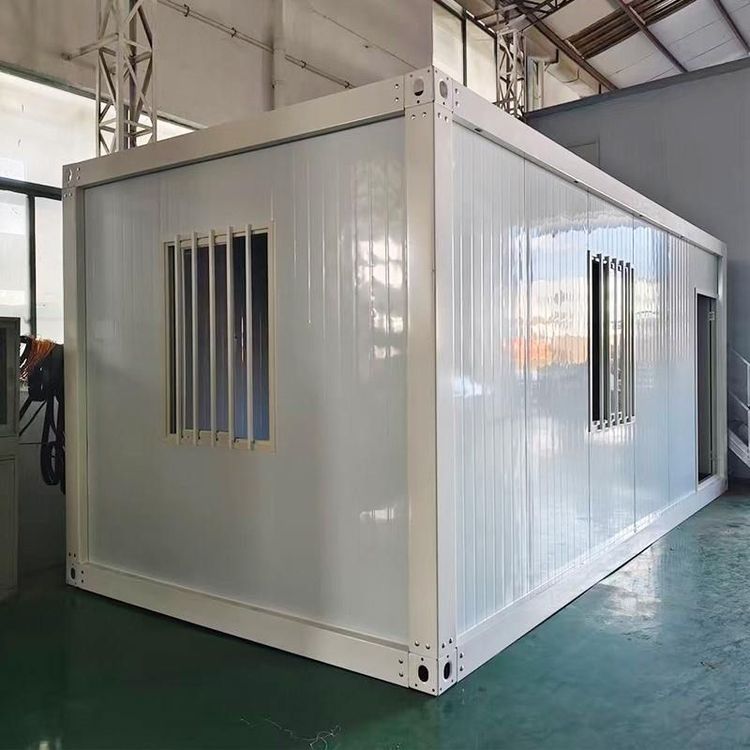
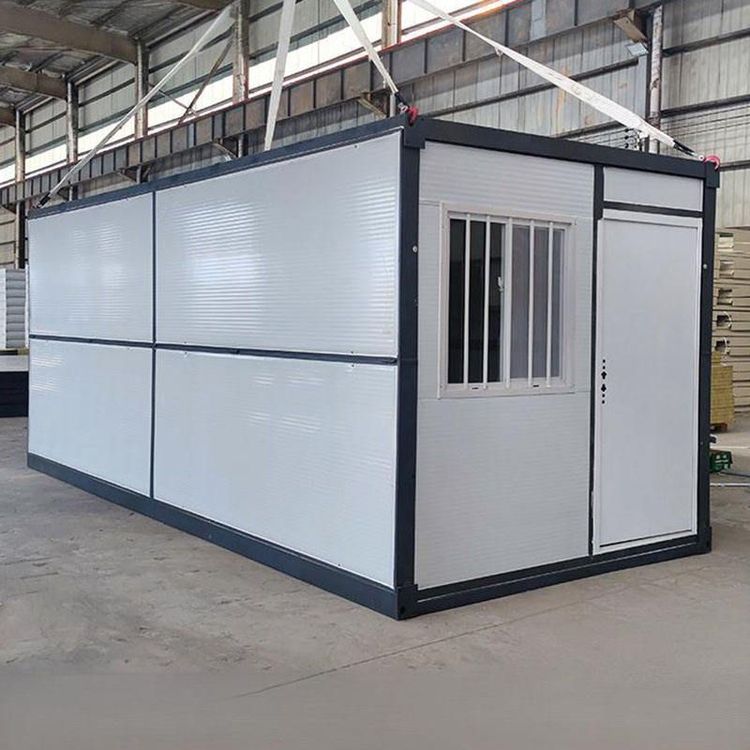
Taking Quanzhou as an example, the renovation and upgrading project of old facilities in central urban parks in Fujian, which started in March this year, involves the reconstruction and renovation of 18 public toilets. Some public toilets identified as 'partially dilapidated buildings' due to their long construction history are being rebuilt on their original sites. The renovated public toilets emphasize the unity of practicality and aesthetics. Meanwhile, common mobile toilets and mobile eco-friendly toilets in Fujian can also serve as supplementary sanitation facilities in parks.

Fixed Public Toilet Renovation
Taking the renovation and upgrading project of old facilities in central urban parks in Quanzhou as an example, a total of 18 public toilets are planned for reconstruction and renovation. Among them, one public toilet in Citong Park and three in Donghu Park are identified as 'partially dilapidated buildings' due to their long construction history and are being rebuilt on their original sites. The renovated public toilets emphasize the unity of practicality and aesthetics. Taking the newly built public toilet opposite the fitness garden in Donghu Park as an example, its appearance incorporates traditional Minnan architectural elements such as swallow-tail ridges, blending naturally with the surrounding garden landscape. The interior design is user-friendly, equipped with barrier-free access and barrier-free toilet stalls. Each squatting stall is equipped with a mobile phone holder. For ventilation, the side walls adopt partial hollow-out techniques, and the women's toilet has dual entrances, significantly improving ventilation efficiency.
Mobile Toilet Application
Common mobile toilets in Fujian feature modular design. Their main structures are generally made of high-strength lightweight materials such as composite panels, engineering plastics, or specially made steel frames. The overall structure is usually a single box-type unit with devices at the bottom for easy movement by forklifts or trailers, making transportation and positioning relatively convenient. The interior space is reasonably planned, with standard configurations including squat toilets or sit toilets, tissue boxes, shelves, lighting, and ventilation fans. Some newer models also pay attention to user-friendly details, such as having handrails, hooks, and mirrors. Some mobile toilets set up at fixed sites are connected to municipal sewage networks or equipped with independent sewage storage tanks, which are regularly pumped and cleaned by specialized cleaning service vehicles. Water-saving design is also a consideration, with some using high-pressure flushing or microbial degradation technologies to reduce water consumption and subsequent treatment burdens.
Mobile Eco-Friendly Toilet Application
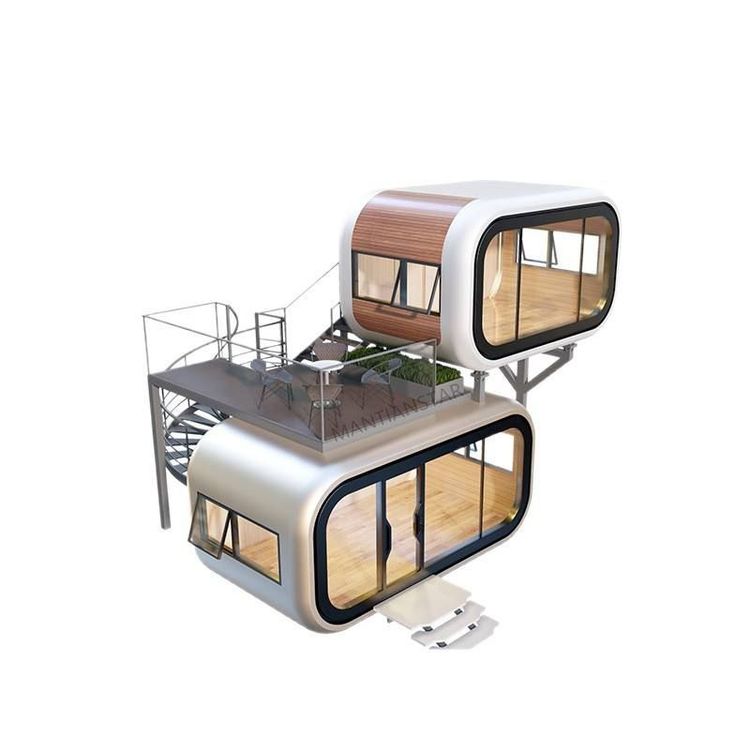
Mobile eco-friendly toilets are not traditional brick-and-mortar buildings but independent sanitation units that integrate various eco-friendly technologies. They have advantages such as high flexibility, quick deployment, resource conservation, and environmental friendliness. Depending on the treatment technology, common types include microbial degradation type, vacuum self-priming type, circulating water flushing type, and dry packing type, which can serve as strong supplements to park sanitation facilities.