Prefabricated Houses in Nanan, Fujian
There are indeed practices and products related to prefabricated houses in Nanan, Fujian.
I. Typical Practice Cases
A three-story villa in Dayong Village, Luncang Town, Nanan, adopts an assembled building method. Its main structure is assembled from prefabricated panels using mortise-and-tenon joints and high-strength bolts. This design eliminates the need for large beams or columns inside the house, relying entirely on the prefabricated panels for load-bearing, ensuring structural stability while enhancing space utilization. The construction process of the villa is extremely efficient: after the foundation is completed in advance, the main structure is assembled in just 2 days, with subsequent interior decoration taking about 20 more days, significantly shortening the overall construction period compared to traditional buildings. This case demonstrates the advantages of prefabricated houses in terms of construction speed, structural innovation, and spatial design.
II. Market Product Types
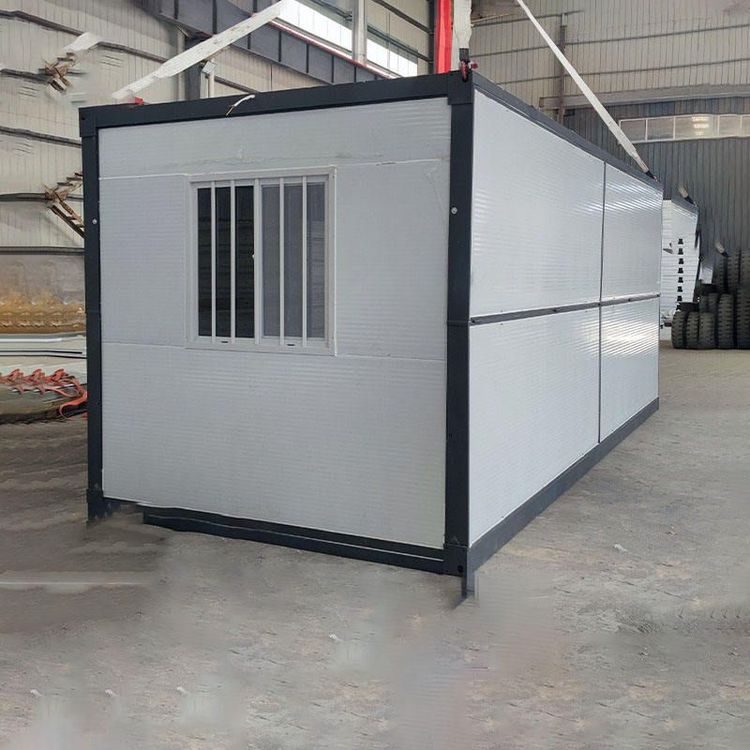
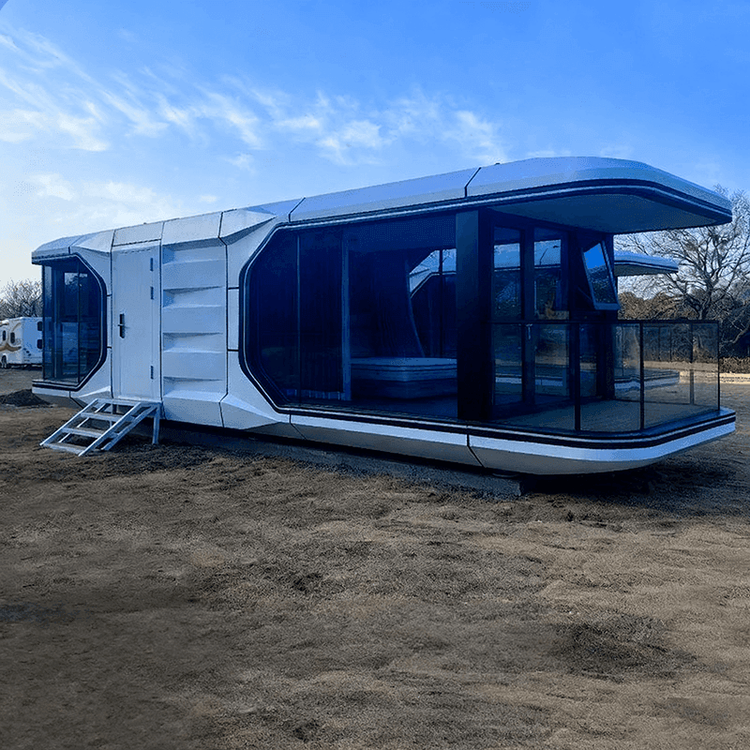
Prefabricated house products in the Nanan market are mainly light steel villas, involving multiple brands such as Jinbo, Zhongyishijia, and Meidaojia. These brands offer choices in different specifications and prices to meet diverse needs. Light steel villas use light steel structures as the main framework, combined with prefabricated wall panels, roofs, and other components, achieving rapid construction through modular assembly. Their core advantages include:
- High construction efficiency: Components are prefabricated in factories, requiring only assembly on-site, reducing wet work and labor dependence;
- Excellent structural performance: Light steel structures have strong earthquake and wind resistance, suitable for areas prone to earthquakes or typhoons;
- Flexible design: Customizable floor heights, layouts, and appearances to adapt to different scenarios;
- Environmental protection and energy efficiency: Materials are recyclable, and wall insulation performance is superior to traditional brick-and-mortar structures.
III. Technical Characteristics and Applicability
The core technology of prefabricated houses lies in standardized design and industrialized production. Taking the villa in Dayong Village as an example, the combination of mortise-and-tenon joints and high-strength bolts inherits the wisdom of traditional wooden architecture while enhancing durability through modern materials. Light steel villas, on the other hand, rely on the mechanical properties of light steel keels and the precision control of prefabricated components. These buildings are suitable for scenarios such as rural self-built houses, tourist homestays, and temporary housing, especially in projects with good foundation conditions and a demand for rapid delivery. However, it should be noted that prefabricated houses require high coordination among design, production, and construction links, and it is essential to choose qualified brands and teams to ensure quality.