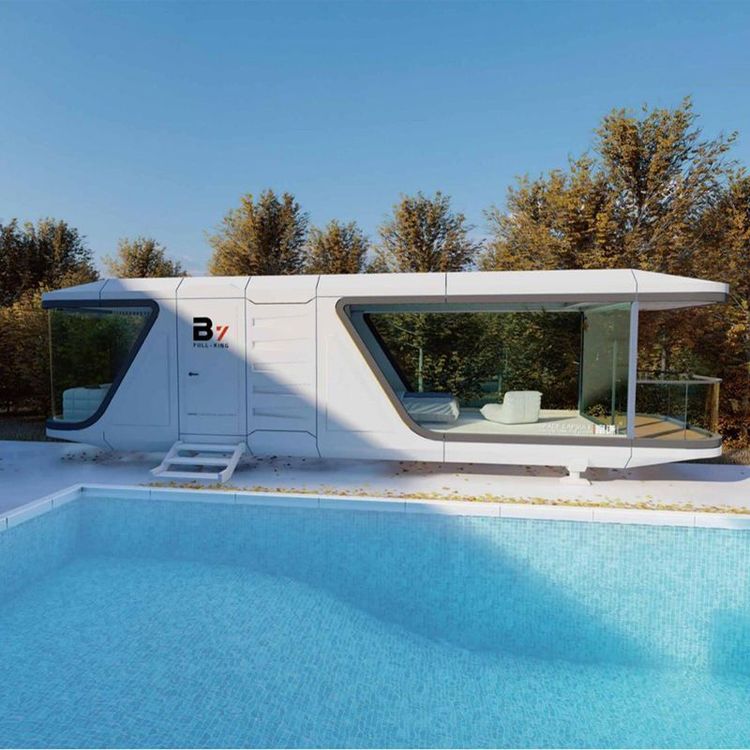
Fujian Container House Homestay
Fujian container house homestays are emerging residential and commercial spaces that blend industrial style with regional characteristics. Highlighted by modular design, eco-friendliness, and integration of culture and tourism, they have become a new trend in Fujian's tourism and construction sectors.
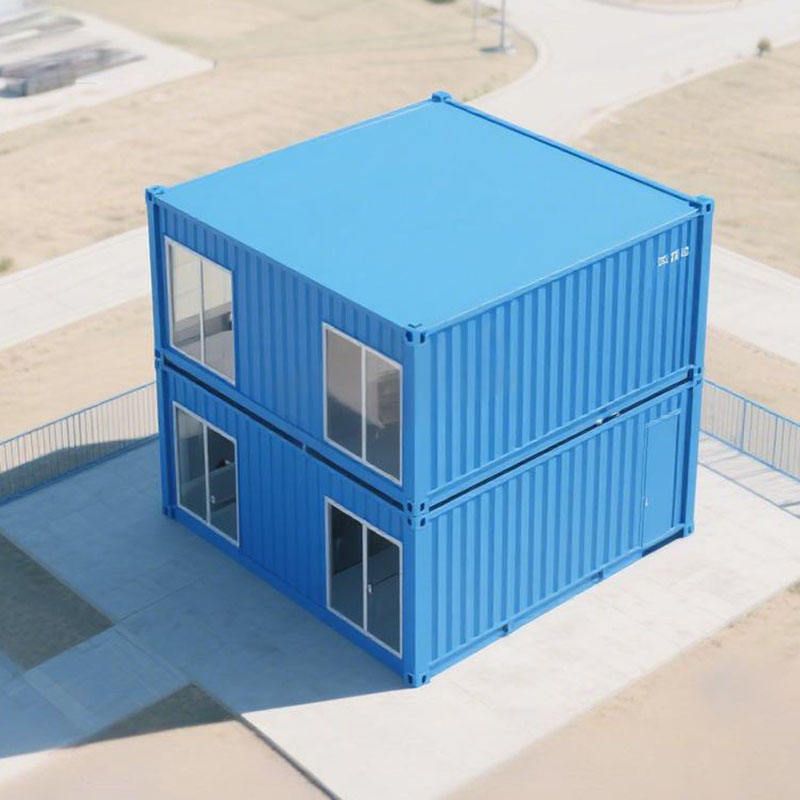
Appearance and Design Features
Fujian container homestays often retain the iconic corrugated metal exterior walls of containers, primarily in black or original colors, paired with warm elements such as wooden doors, windows, and terraces, creating a visual contrast between cold and warm tones. Internally, they are decorated in a modern minimalist style, efficiently utilizing limited space and equipped with beds, tables and chairs, independent bathrooms, and even small kitchens and washing machines, balancing comfort and practicality. For example, container homestays by the seaside in Changle are often designed as scenic view rooms or temporary commercial spaces, offering novel experiences for tourists.
Construction Principles and Core Advantages
Container homestays use standard containers as units, which are prefabricated in factories and then transported to the site for rapid assembly and stacking. This results in a short construction period and flexibility, making them suitable for temporary or movable buildings. They offer significant cost-effectiveness, with low material costs and simple construction, while also being eco-friendly and sustainable by repurposing discarded or retired shipping containers to reduce construction waste. Modular combinations can also create unique shapes, such as the "Naxiang" homestay in Xiamen, which uses container exteriors to create exquisite single rooms at affordable prices, attracting tourists seeking a quiet environment.
Regional Cultural Integration and Innovation
Fujian container manufacturers incorporate elements of Minnan culture into their designs, such as integrating traditional red brick patterns into exterior walls or designing swallow-tail ridge shapes, giving the buildings a modern yet regional character. Modular customization allows for diverse functions, enabling the creation of trendy cafes, art galleries, and intangible cultural heritage exhibition halls. For example, a certain ancient town in Quanzhou uses containers to display intangible cultural heritage, while a scenic area in Xiamen has created an "ocean-themed market," both attracting tourists and promoting local culture.
Green Eco-Friendliness and Sustainability
Container buildings are repurposed from second-hand containers, reducing carbon emissions and optimizing the living experience through technologies such as thermal insulation materials and energy-efficient doors and windows. Data shows that their energy consumption is 20%-30% lower than that of traditional buildings, aligning with low-carbon trends. A container homestay project in Fujian saw a 30% increase in tourist traffic in its first month of operation compared to traditional homestays, demonstrating its market potential.