Fujian Container House Construction
Fujian container house construction takes modularization and standardization as its core, combining steel structures with eco-friendly materials to form efficient, flexible, and recyclable temporary or permanent building solutions. Here is a detailed analysis:

1. Construction Technology and Materials
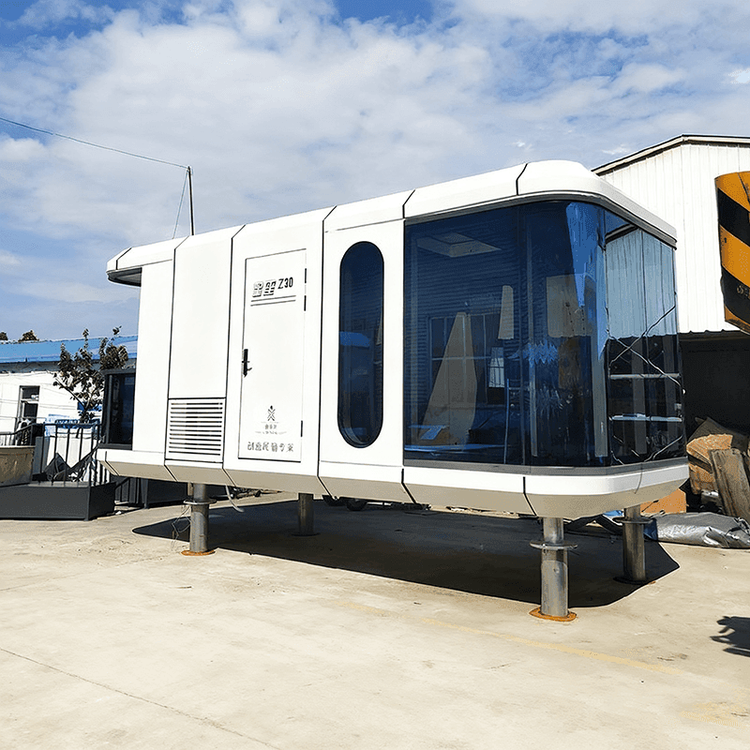
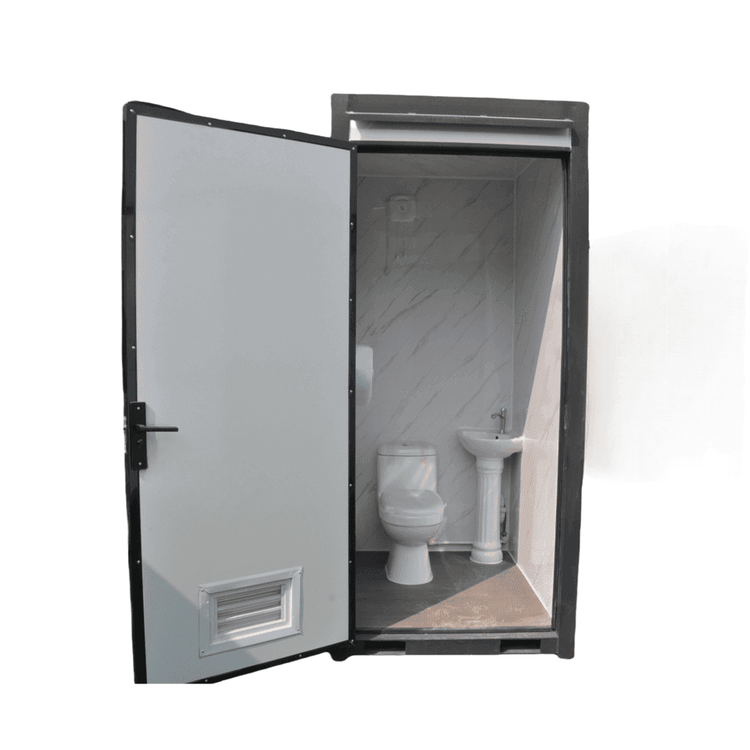
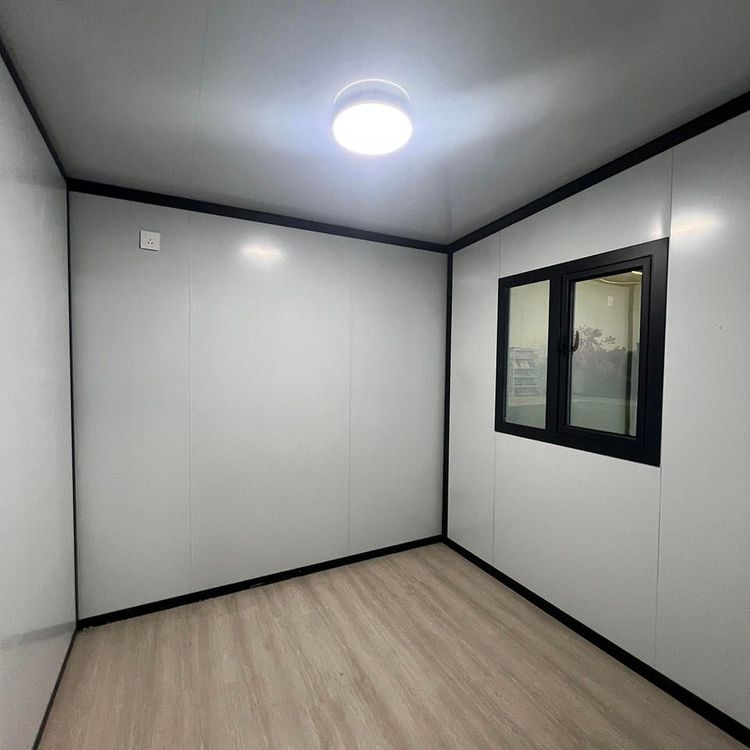
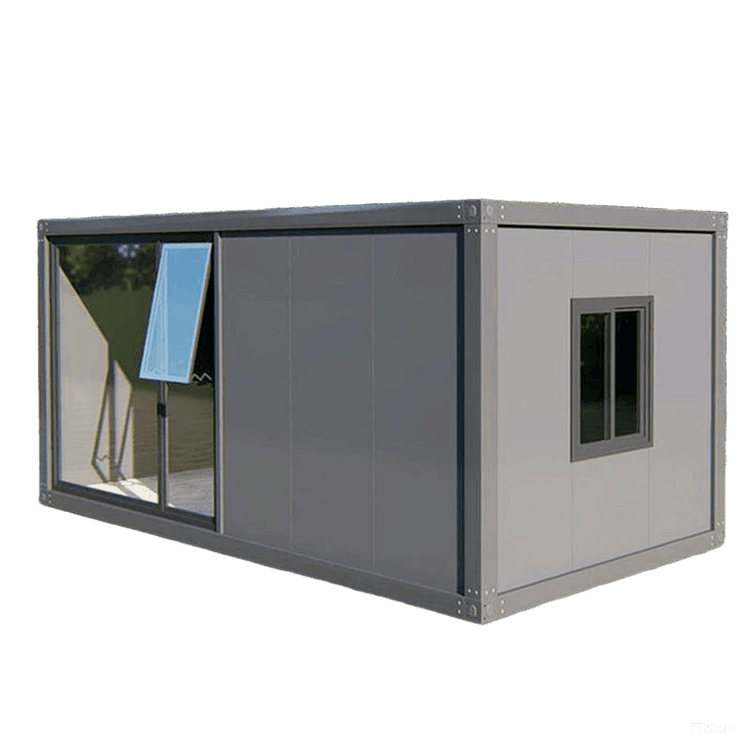
Fujian container houses use standard containers as basic modules, which are transformed to serve residential or office functions. The main framework is welded using channel steel and angle steel, ensuring a robust, safe, and reliable structure capable of withstanding high pressure. For example, the packing-box units from Fuzhou Huixinsheng are steel-based and achieve the goals of being “green, energy-efficient, and low-carbon” through factory prefabrication. The walls are covered with composite EPS panels, metal carved panels, or color-steel composite panels, providing insulation, heat resistance, and fire protection. Xiamen container houses adopt a lightweight steel structure system, with walls that can be folded and packed for easy transportation and installation.
2. Design Advantages and Functions
- Modularization and Standardization: Container houses can be used individually or combined in multiple units (e.g., 2-3 stories) for rapid construction and expansion. For example, Fujian Bafu Construction Technology offers packing-box units and residential containers, supporting a combination of customization and standardized production.
- Eco-Friendliness and Recyclability: The materials have a recyclability rate of over 90%, and no construction waste is generated during use. Xiamen container houses can be used continuously for 10 years, with structural waterproofing on the roof to enhance airtightness and watertightness.
- Strong Adaptability: They are suitable for construction sites, field operations, post-disaster emergency response, commercial creative spaces, and other fields. For example, Fujian Dongli Integrated Housing provides container rental and sales services to meet temporary or long-term needs.
3. Typical Enterprises and Cases
- Fuzhou Huixinsheng Modular Steel Structure Housing Co., Ltd.: Its products include packing-box units, quick-assembly containers, and movable panel houses. It has established long-term cooperation with groups such as China State Construction and China Railway, with cases covering large-scale domestic projects.
- Fujian Bafu Construction Technology Co., Ltd.: It provides Class A fire-resistant prefabricated box houses, supporting both rental and sales. The products are used in housing dormitories, project command centers, and other scenarios.
- Xiamen Container Houses: Adopting international popular design concepts, they prefabricate roofs, floors, and electrical systems in factories, reducing on-site installation time to a few hours. They can withstand wind speeds of 120 km/h and earthquake intensities of 9 degrees.
4. Market and Application Trends
Fujian container houses have formed a complete industrial chain, integrating design, production, and installation services. With technological optimization, insulation performance, energy supply systems (e.g., solar integration), and intelligent management (e.g., IoT monitoring) have become key research and development focuses. For example, the 2026 Nagoya Asian Games in Japan will use container houses to build the Asian Games Village, and Zaozhuang, Shandong, has utilized container houses to create characteristic homestay scenic spots, both demonstrating their low cost and flexibility advantages.