Container House in the Forest
A container house in the forest is an innovative architectural form that cleverly combines industrial elements with the natural environment, offering multiple advantages such as environmental protection, flexibility, and cost-effectiveness.

Environmental Protection and Sustainability
One of the core advantages of container houses is their environmental friendliness. Many cases involve the renovation of discarded containers, such as using old shipping containers. By reusing materials that are difficult to dispose of, they save natural resources like sand, bricks, cement, water, and iron, and reduce construction waste. Some houses are also equipped with rainwater harvesting systems that store and filter rainwater collected from the roof for use in garden irrigation, external cleaning, car washing, and washing machines, achieving water resource recycling. Additionally, the application of photovoltaic panels increases the house's self-sufficiency in energy. For example, the "Cedar Ark" achieves 70% energy self-sufficiency through photovoltaic panels and a rainwater harvesting system, further reducing its impact on the environment.
Flexibility and Space Utilization
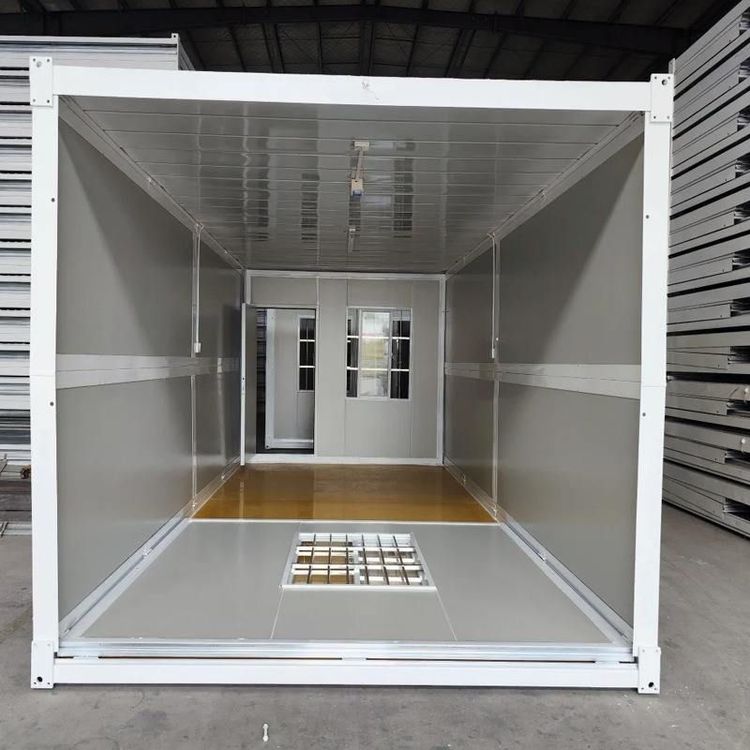
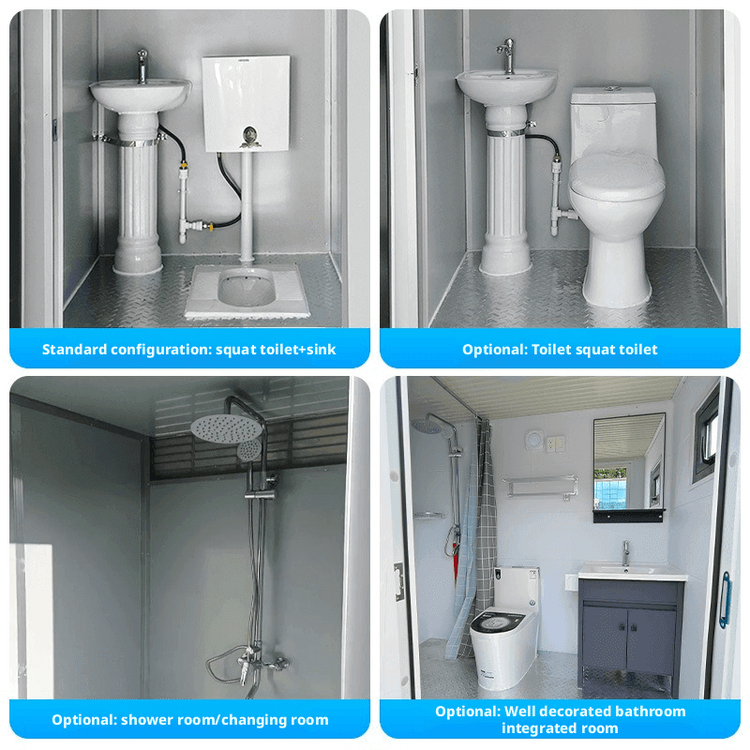
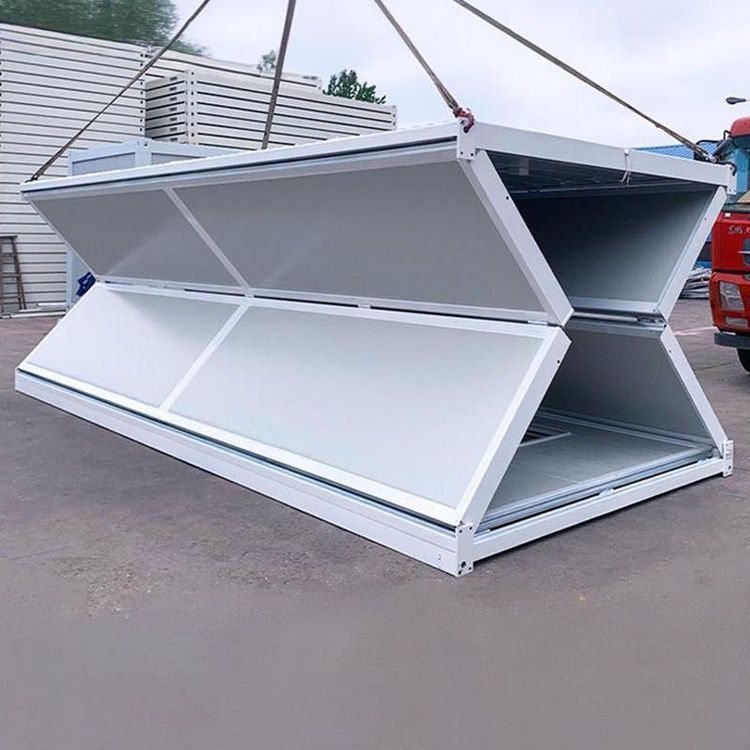
The modular nature of containers allows them to be flexibly combined to adapt to different terrains and needs. Like building blocks, containers can be quickly assembled according to the terrain, significantly shortening the construction period compared to traditional buildings. For example, Hunan Zhuchao Housing Technology Co., Ltd. reduces the construction period by 50% through factory prefabrication and on-site installation. The internal space is efficiently utilized, with a square structure facilitating layout planning. From bedrooms to bathrooms and observation decks, the functions are complete without appearing crowded. Some houses also optimize vertical circulation and enhance space utilization through custom steel ladders and hidden staircases.
Cost-Effectiveness and Practicality
The construction cost of container houses is relatively low, as standardized production and reuse models significantly reduce material and construction costs. For those with limited budgets but who desire high-quality accommodation spaces, container houses are an ideal choice. For example, the Marin container house consists of a 20x8-foot container and a 20x20-foot space, providing a comfortable 1440-square-foot environment while controlling costs. Additionally, the sturdy and durable structure of containers enables them to easily withstand the variable climate of the forest, offering excellent wind, rain, sound, and heat insulation performance, and providing safe and comfortable accommodation for occupants.
Design and Aesthetic Integration
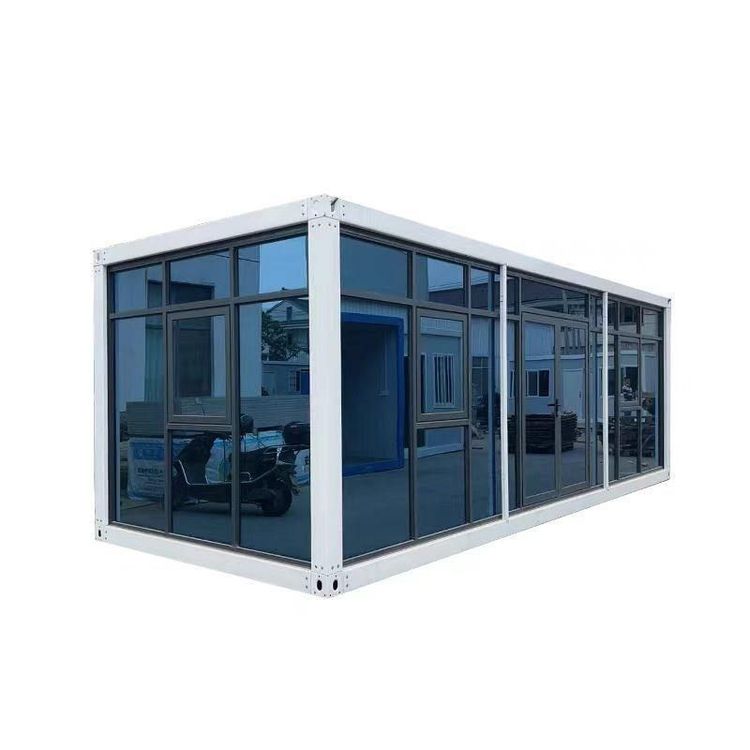
Container houses have great design potential. The strong contrast between the industrial-style exterior and the warm wooden interior creates a unique visual impact and living style. Large-area window designs bring forest scenery into the interior, achieving a "framed view" effect and enhancing interaction between humans and nature. For example, the "Cedar Ark" features a deep indigo container as its skeleton, with a warm cedar wood finish extending from the main entrance, blending industrial toughness with natural softness. Some houses also enhance their fashion sense and style through designs such as colored containers, wooden exteriors, or wooden lattice exteriors.