
Foreign Self-Made Mobile Toilet
There are various solutions for self-made mobile toilets abroad, ranging from simple handmade creations to complex structural constructions, and they all require corresponding maintenance measures. Details are as follows:
1. Handmade Mobile Toilets by Craft Enthusiasts: Craftsmanship Details and Material Selection
Some foreign craft enthusiasts create mobile toilets through special craftsmanship. The core steps include using glue to demold the toilet seat cover to ensure a shape that fits human ergonomics; trimming the edges to remove excess material and enhance user comfort; applying lime wash and sanding it smooth to both increase surface smoothness and provide a certain level of dirt resistance. This type of production focuses more on the portability and basic functions of the toilet itself, making it suitable for temporary or low-frequency use scenarios. However, it does not involve the construction of the overall toilet structure and requires other facilities to form a complete system.
2. Two Mainstream Self-Made Solutions for Outdoor Mobile Toilets
- Simple Frame + Fabric Enclosure Solution: Using PPR pipes as the frame material, a stable structure is formed through hot-melt connections, and then waterproof fabric (such as Oxford cloth or canvas) is used as an enclosure. This solution is low-cost and quick to set up, but its functions are limited. It only provides basic privacy protection and lacks supporting facilities such as sewage disposal and lighting, making it suitable for short-term camping or temporary events.
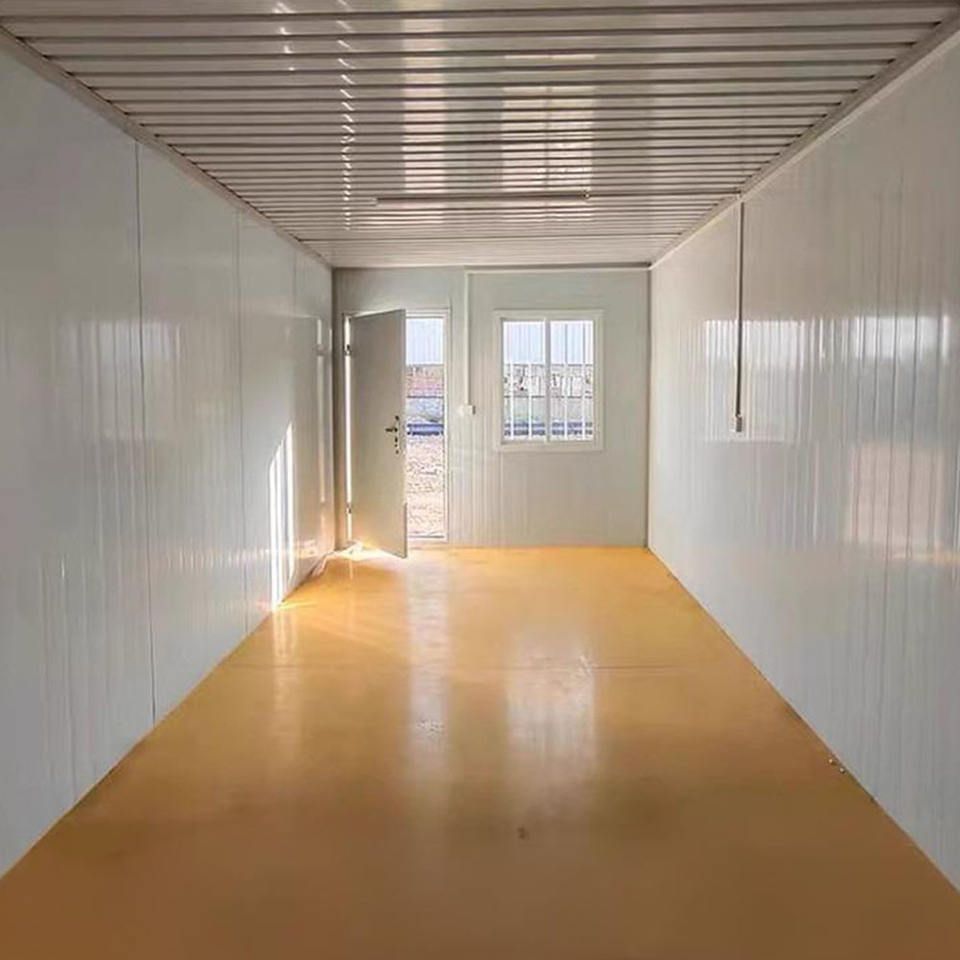
- Color-Steel/Integrated Panel Construction Solution: Color-steel plates or integrated panels are used to build the main body of the toilet, with modern facilities such as toilets (optional squat or sit types) and washbasins installed inside. This solution requires careful planning of sewage pipes (such as connecting to a septic tank or sewage storage bucket), water tanks (for flushing water), soundproofing materials (to reduce usage noise), and lighting circuits (to ensure safety during nighttime use). Its advantages lie in its comprehensive functionality and strong durability, but it requires a certain level of construction experience and tool support, making it suitable for long-term fixed use scenarios.
3. Maintenance Points for Mobile Toilets
The maintenance of self-made mobile toilets directly affects their service life and hygiene conditions. Cleaning staff usually use vacuum guns to clean internal waste in the toilet to prevent blockages; spray water to rinse corners and crevices where dirt is likely to accumulate, and use disinfectants to kill bacteria; regularly check for sewage pipe leaks, sufficient water tank levels, and aging lighting circuits to ensure the normal operation of the facilities. In addition, if a sewage storage bucket design is used, the excreta should be promptly removed to prevent odor diffusion.
Summary: The solutions for self-made mobile toilets abroad should be selected based on the usage scenario, budget, and skill level. Simple solutions focus on portability, while complex solutions emphasize functionality, and maintenance work is the key to ensuring long-term use.



