
Foreign Prefabricated Structural Housing
In recent years, foreign prefabricated structural housing has gained significant popularity in the European and American markets, primarily due to its advantages in terms of price, time, customization, and policies.
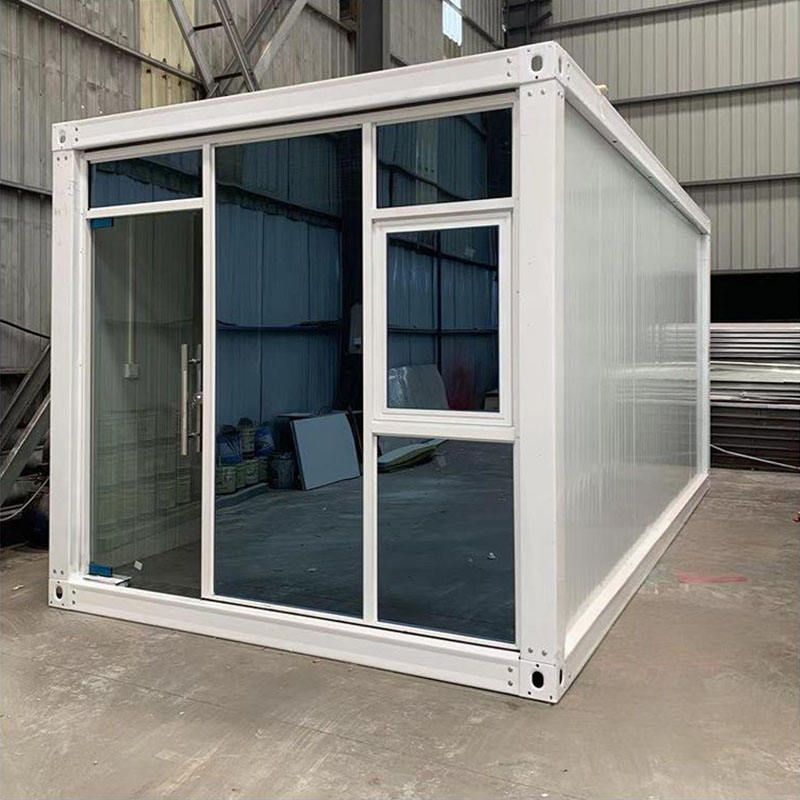
1. Significant Price Advantage
Construction labor costs in European and American countries are high. Taking the United States as an example, the daily wage of a general worker is at least $200, while that of a skilled worker can reach $500, and there is a lack of overtime culture. In traditional residential construction, the combined cost of labor and materials often exceeds one million RMB. In contrast, prefabricated houses produced in China have a prominent price advantage. For instance, a prefabricated house costing 200,000 RMB in the US market offers extremely high cost-effectiveness, directly lowering the threshold for home purchases.
2. Substantially Reduced Construction Period
Although construction technology in European and American markets is mature, issues such as labor shortages and project delays are prominent. For example, in the Philippines, traditional construction is frequently interrupted due to climatic factors, leading to a sharp increase in project costs as the construction period extends. The construction period for traditional houses in the United States typically ranges from six months to one and a half years. In contrast, Chinese prefabricated houses adopt a factory-standardized production and on-site rapid assembly model, significantly shortening the construction period. For example, a 12-story apartment building with 24 units can be completed and capped in just nine days, reducing the construction time by 12 to 18 months compared to local traditional methods. Similarly, a house of the same area in the United States can typically be produced and installed in just a few months.
3. Highly Customizable to Meet Diverse Needs
Overseas customers can customize the details of prefabricated houses according to their needs, including exterior colors, door and window styles, and internal functional area configurations (such as photovoltaic panels, laundry cabinets, and baking areas). For example, a 70-square-meter two-bedroom, one-living-room prefabricated house purchased by a couple in the United States came equipped with an independent kitchen and bathroom, sink, toilet, water heater, and electrical outlets upon arrival. They only needed to connect the water and electricity and add furniture to move in, achieving a convenient “turnkey” experience.
4. Policy Incentives Reduce Holding Costs
In some regions, the definition standards for prefabricated houses are lenient, and those without foundations or hardened surfaces may not be considered traditional real estate, thus exempting them from property taxes. This policy advantage further enhances the economic attractiveness of prefabricated houses, especially in European and American countries with high property taxes, making it an important consideration for homebuyers.
In addition, prefabricated modular wooden houses are also popular in North America. Their wooden structural components are precisely processed in factories and then transported to the site for assembly like building blocks, further demonstrating the flexibility and efficiency of prefabricated structures.



