
Foreign Mobile Toilets
Foreign mobile toilets come in a variety of types, encompassing diverse design concepts and functional features. Here is a detailed introduction:
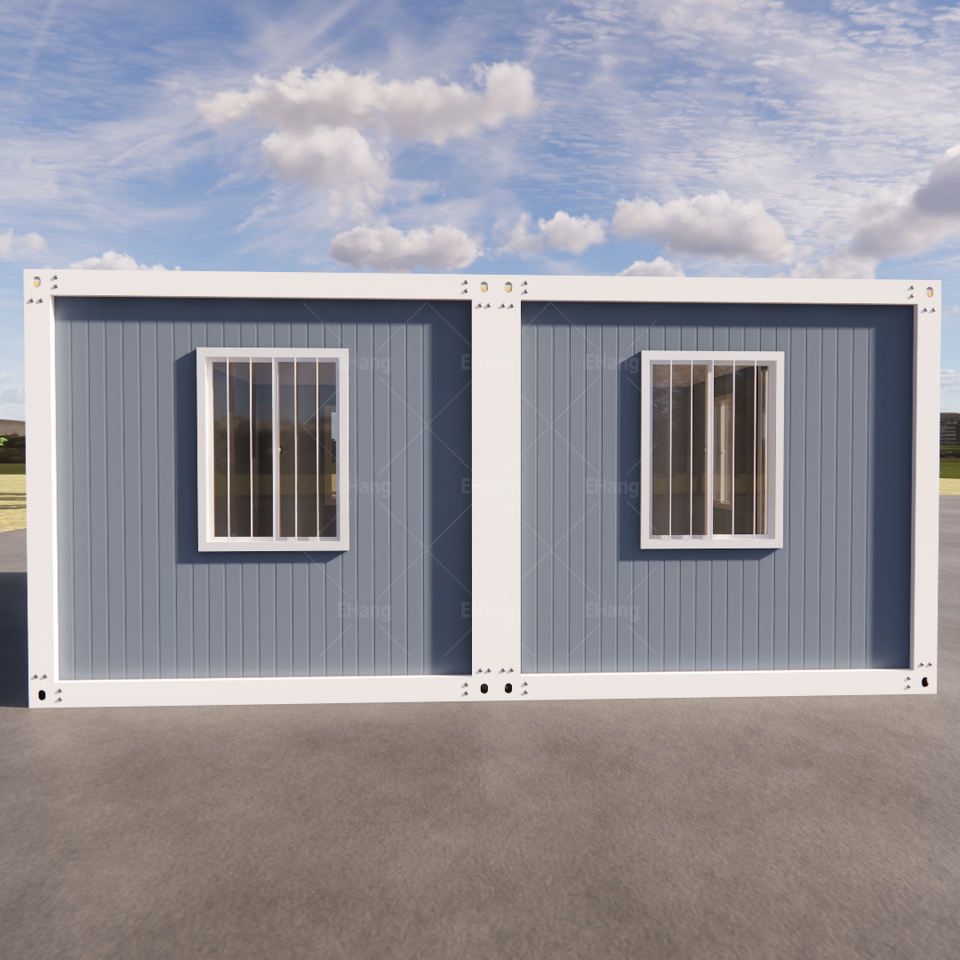
1. Basic Mobile Toilets: Primarily featuring simple structures with usage limitations
Some foreign mobile toilets adopt basic designs with relatively simple structures. For instance, there have been cases where a mobile toilet overturned due to an unstable center of gravity or insufficient securing measures, resulting in the spread of internal odors and requiring assistance from surrounding people for cleanup. These toilets are typically constructed using lightweight materials, which, while facilitating mobility, result in poor stability and sealing. They are mostly used in temporary events or emergency scenarios and rely on manual regular cleaning and maintenance.
2. “American Beehive” Mobile Toilets: A specific reference in online culture
The term “American Beehive” is a colloquial expression used in online culture to refer to a certain type of mobile toilet. The specific design has not been detailed in public sources, but the name suggests it may have modular or densely arranged features, similar to a beehive structure. These toilets may have become online topics due to their special usage scenarios (such as large-scale outdoor events) or unique designs (such as high capacity and rapid deployment), but lack specific technical parameter support.
3. Dutch Fully Automatic Rotating Public Toilets: A technology-driven efficient cleaning model
The fully automatic rotating public toilets developed in the Netherlands represent the high-end direction of mobile toilets. Their core designs include:
- Dual toilet rotation system: Equipped with two toilets inside, when one is in use, the other enters a cleaning preparation state, enabling seamless switching and reducing user waiting time.
- Intelligent cleaning program: After the user leaves, the cleaning system automatically activates, conducting comprehensive disinfection and deodorization of the toilet, floor, and cabin. Simultaneously, the public toilet rotates 180 degrees in place and enters a dedicated cleaning chamber for multi-directional deep cleaning to ensure hygiene standards.
- Fee management mechanism: Utilizes a card-swipe entry and tiered time-based charging model to control usage duration and reduce the risk of vandalism through technological means.
These public toilets are mostly deployed in urban core areas or tourist attractions, balancing functionality and user experience.
4. German Portable Eco-Friendly Toilets: A combination of lightweight design and material innovation
The portable toilets designed by German designer Eva Tint prioritize eco-friendliness and portability:
- Appearance and size: Designed in the shape of a leaf, they fold down to approximately 12×28 centimeters and can easily fit into a woman's handbag, making them suitable for outdoor activities or emergency scenarios.
- Materials and functions: Utilizing special eco-friendly materials, they are equipped with super-absorbent agents inside that rapidly convert liquids into gels, preventing leakage and odor diffusion. After single use, they can be disposed of at designated recycling points, reducing environmental pollution.
These toilets reflect the trend of mobile toilets towards personalization and eco-friendliness, particularly appealing to female users and environmental advocates.
In summary, the design of foreign mobile toilets covers a wide range of directions, from basic functions to high technology, and from public use to personal portability, reflecting the varying needs and technological innovation capabilities in different scenarios.



