
Foreign Mobile Toilet Sewage Extraction Methods
Common sewage extraction methods for foreign mobile toilets include storage tank suction, vacuum drainage, direct discharge, dry packing, and recirculating flushing. The specific principles and applicable scenarios are as follows:
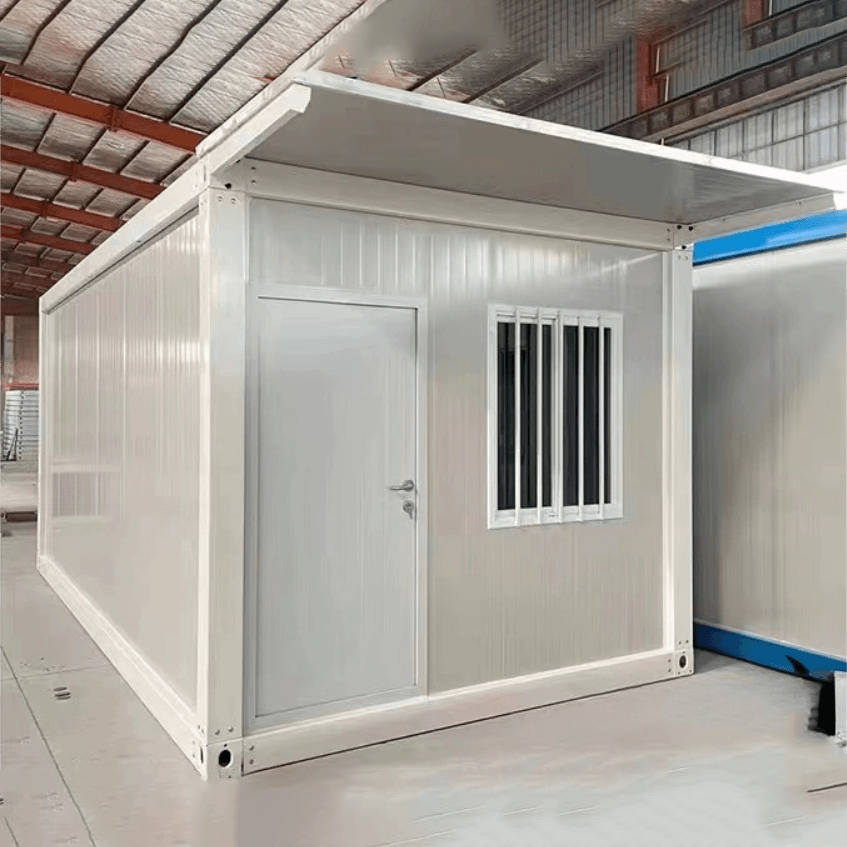
Storage Tank Suction
Mobile toilets are equipped with sealed storage tanks at the bottom, into which sewage and waste are directly discharged. When the storage tank is nearly full, a professional sewage extraction vehicle (such as a vacuum sewage truck) is connected to the tank's interface for extraction, and the sewage is then transported to a sewage treatment plant for centralized treatment. This method is suitable for temporary locations without municipal sewer connections, such as outdoor events and construction sites. Its core advantage lies in its simple operation, requiring no complex supporting facilities, but regular cleaning of the storage tank is necessary, and strict compliance with waste management regulations is required during transportation.
Vacuum Drainage
Negative pressure suction is used to quickly draw waste into onboard or stationary sewage tanks, requiring only a small amount of water (approximately 0.5-1 liters per use) for flushing and transportation. This technology offers significant water-saving benefits and produces less odor, commonly found in RVs, long-distance buses, airplanes, and temporary event venues. Sewage extraction may involve connecting a mobile vacuum pump truck to the toilet's interface to draw the sewage into the pump truck's storage tank for subsequent transfer and treatment. This method demands high equipment sealing but effectively reduces water consumption, making it suitable for water-scarce areas or scenarios with high hygiene requirements.
Direct Discharge (Requires Supporting Facilities)
Some mobile toilets are equipped with dedicated interfaces for direct sewage discharge into municipal sewers or centralized sewage treatment systems through pipelines in campsites or fixed locations with the necessary facilities. This method relies on site facilities and must comply with local environmental regulations, potentially using fixed pumping stations or gravity flow for discharge. Some countries require mobile toilets to be equipped with pretreatment devices (such as chemical disinfection) to reduce the risk of sewage contamination to municipal sewers. Its applicability is limited by the site but can reduce sewage extraction frequency and transportation costs.
Dry Packing (Waterless)
Waste is collected in biodegradable plastic bags, which are manually replaced when full and uniformly transported to a treatment plant. This method requires no sewage extraction equipment but necessitates regular plastic bag cleaning, suitable for water-scarce areas or regions with extremely high environmental requirements (such as deserts and polar regions). Its advantages include zero water usage and no odor, but ensuring the sealing and biodegradability of the plastic bags is crucial to avoid secondary pollution.
Recirculating Flushing (Biological Treatment)
Biological bacteria and filtration devices are used to decompose fecal sewage, with the treated water recirculated for toilet flushing. Such systems may reduce sewage extraction frequency but require regular maintenance of the biological treatment unit (such as replenishing bacteria and cleaning filters), suitable for long-term fixed-use mobile toilets (such as in parks and scenic areas). Its core value lies in resource recycling but involves higher initial investment and maintenance costs.
Additional Notes: The selection of sewage extraction methods for foreign mobile toilets should comprehensively consider design type, usage environment, and local environmental requirements. For example, water-scarce areas tend to prefer vacuum drainage and recirculating flushing technologies; temporary locations often adopt storage tank suction; and fixed locations may prioritize direct discharge. All sewage extraction operations must be carried out by professional environmental protection companies and comply with waste transportation and disposal regulations.



