Mobile Toilets in Foreign Marathons
Mobile toilets in foreign marathon events primarily focus on functionality, but they face issues such as low setup density, limited sanitary conditions, and athletes' actual usage rates being affected by physiological factors.

I. Hardware Configuration of Mobile Toilets
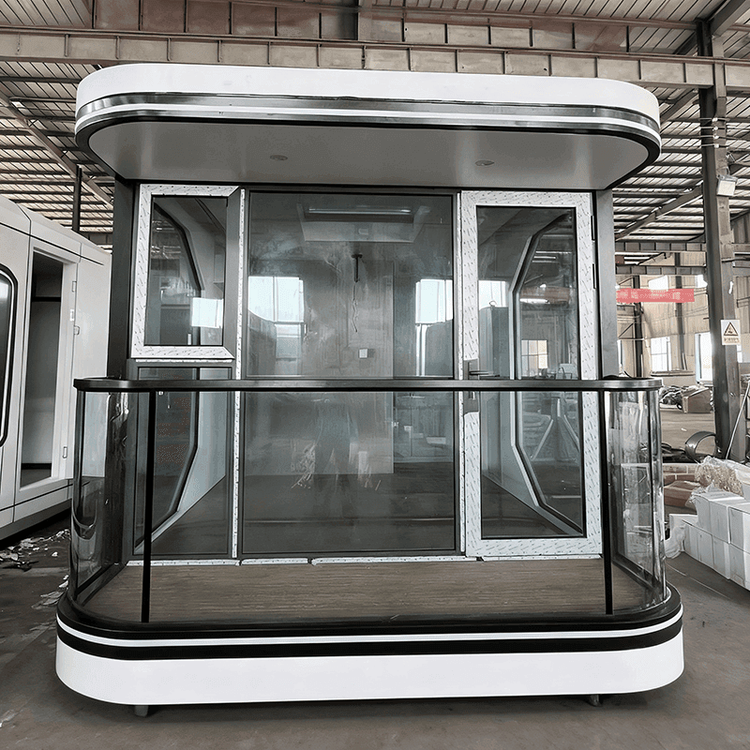
In marathon events in some countries, such as Canada, mobile toilets are described as the 'top-tier' type. They feature relatively spacious interiors with separate areas for men and women, equipped with basic sanitary facilities like mirrors and paper towels. Some high-end models may even include ventilation systems or barrier-free designs. However, such configurations are not universal standards; most events still rely on simple mobile toilets that only meet basic excretion needs.
II. Setup Density and Usage Conflicts in Events
Marathon events typically place a mobile toilet every 5 kilometers along the course, with a density similar to that of refreshment stations. However, this layout presents significant conflicts: on one hand, athletes' gastrointestinal systems are under intense stress during high-intensity exercise, leading to sudden excretion needs that may concentrate at specific sections of the course; on the other hand, the limited number of mobile toilets results in long queues, causing some athletes to forgo using them to avoid affecting their performance. For example, Paula Radcliffe, the 2005 London Marathon world record holder, still won the race despite having to relieve herself by the roadside due to 'runner's diarrhea.' Such cases reflect the insufficient accessibility of mobile toilets in practice.
III. Sanitary Conditions and Health Risks
The cleanliness and maintenance of mobile toilets depend on the event organizers' management efficiency. However, due to high foot traffic and frequent usage in marathon events, sanitary conditions are generally average. Some toilets may have odors, stains, or shortages of consumables, increasing the risk of cross-infection. More critically, athletes' immune systems are temporarily suppressed during strenuous exercise, and using facilities with poor sanitary conditions may trigger health issues like urinary tract infections, further reducing the appeal of mobile toilets.
IV. Constraints of Physiological Limits on Usage Rates
High-intensity exercise causes abnormal acceleration of gastrointestinal motility, with approximately 30%-50% of long-distance runners experiencing 'runner's diarrhea,' characterized by sudden bowel movement needs. In such cases, even if mobile toilets are available by the course, athletes may choose to relieve themselves on the spot due to time constraints or inability to control physiological reactions. The case of Yohann Diniz, a 2016 Rio Olympics race walker who defecated while walking and then fainted, highlights the reality that mobile toilets cannot fully address athletes' physiological dilemmas.
V. The 'Mobile Toilet Paradox' in Event Strategies
Although mobile toilets are considered an important aspect of event services, their actual role is controversial. Some argue that marathon victories may hinge on 'mobile toilets' rather than training levels, reflecting their strategic significance; however, more cases show that athletes often sacrifice time using mobile toilets in pursuit of performance, rendering them 'theoretically important but practically marginal' facilities. This paradox underscores the dilemma event organizers face in balancing athletes' health, performance fairness, and service costs.