
Foreign Guy Buys Container House
Foreign guys do buy Chinese container houses, and relevant cases show that they have advantages in terms of price, configuration, and ease of installation. Here is a detailed analysis:
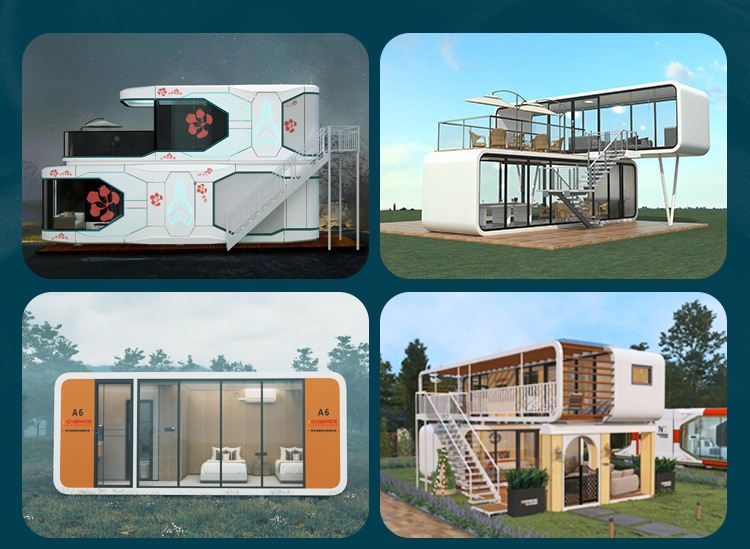
1. Significant Price and Configuration Advantages
Take the case of American bloggers Shelly and her husband as an example. They purchased a 40-foot foldable container house through Alibaba.com. The price of the house itself was only $15,800. After adding shipping costs, tariffs, and customs clearance fees, the total landed cost was $28,689. This price corresponds to a two-bedroom, one-living-room unit of approximately 70 square meters, including bedrooms, a kitchen, and an independent bathroom. The hard装修 (such as walls, floors, doors, and windows) was fully pre-installed, and electrical outlets were also pre-reserved. In comparison, the cost of building a traditional house of the same size in the United States may be several times higher and require several months of construction time. Additionally, container board houses and mini houses mentioned in other cases have also attracted attention from foreign netizens due to their "ready-to-live-in" characteristics, with some even evaluating their living conditions as superior to their existing homes.
2. Outstanding Ease of Installation
The modular design of Chinese container houses greatly simplifies the installation process. In the case of Shelly and her husband, the main body of the house was pre-installed in the factory, and only needed to be spliced and fixed on-site using a telescopic forklift. The couple and their elderly father completed the installation in just one day and were able to move in that evening. This "ready-to-use" characteristic is highly attractive to foreign users who lack professional construction teams, especially for remote areas or temporary housing needs.
3. Cross-border E-commerce Drives Popularization
Platforms like Alibaba.com provide foreign users with direct channels to purchase Chinese container houses, reducing information acquisition and transaction costs. Users can compare quotes, unit types, and configurations from different suppliers through online platforms and even customize personalized needs (such as adding solar panels or rainwater collection systems). This transparent transaction model accelerates the circulation of container houses in the global market.
4. Environmental Protection and Sustainability Recognized
The reusability of container houses aligns with global environmental protection trends. Many foreign users choose such houses out of a pursuit of a low-carbon lifestyle. For example, transforming废弃 (waste) containers into residences can reduce construction waste while lowering energy consumption (such as by pre-installing insulation materials to improve energy efficiency). In some cases, users also build vertical gardens around the houses or install solar systems to further enhance their sustainability.



