
Foldable Living Container House
Foldable living container houses are movable and foldable housing types that break from traditional building models and can be assembled quickly and conveniently. The following introduces types, specifications, uses, and prices:
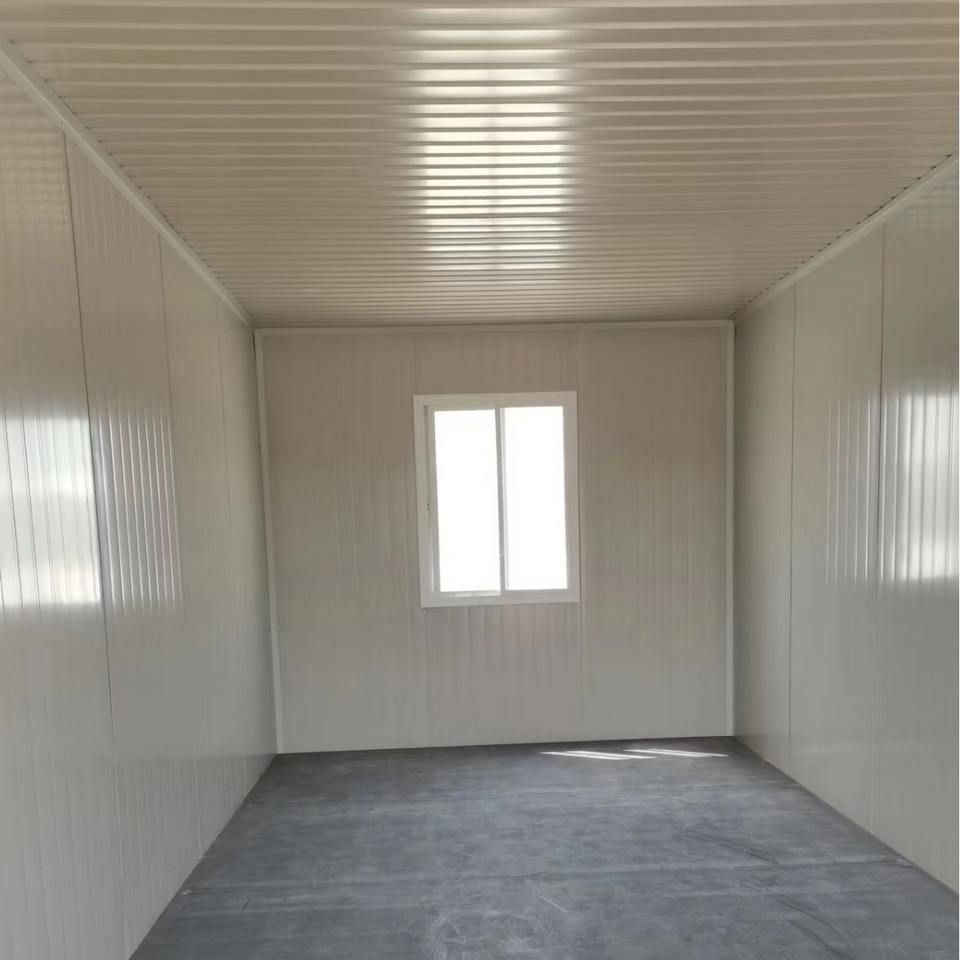
Types and specifications: Foldable living container houses come in many types and sizes. For example, there are 73 m² three-bedroom one-bathroom foldable movable houses; this size offers relatively large space that can meet multi-person living needs and provide residents with a more spacious, comfortable living environment. There are also export dual-wing expandable folding container houses, whose distinctive design adds functional versatility and can expand according to actual needs to increase usable area. In addition, there are cross-border residential container prefab houses, foldable assemble-and-disassemble movable office houses, and other types; each has its own structural and design traits to suit different use scenarios.
Uses: Because they are movable and foldable, foldable living container houses have a wide range of uses. Export dual-wing expandable folding container houses can serve as movable offices for temporary office needs—for example on construction sites or in field exploration—making it convenient for staff to work. They can also serve as residential prefab houses for people who need temporary lodging, such as disaster-area relief or travel and vacation scenarios. At the same time, they can serve as outdoor tool rooms for storing tools and equipment and protecting them from the external environment.
Prices: Prices differ widely across manufacturers and specifications. For example, products from Anhui Richuang Construction Engineering Co., Ltd. sell 26 square meters per month at $11.9; products from Shanghai Tongjiuzhou Container Co., Ltd. are priced at $958; products from Suzhou Daxiang Integrated Housing Co., Ltd. are priced at $7.92. Price differences are mainly affected by materials, craftsmanship, specifications, and manufacturers’ production costs. When buying, consumers can choose suitable products according to actual needs and budget.



