
Water Leakage in Foldable Container Houses
Water leakage in foldable container houses can be caused by various factors such as design and construction flaws, material issues, and improper use, and can be prevented through optimized design in the early stages and enhanced maintenance in the later stages.
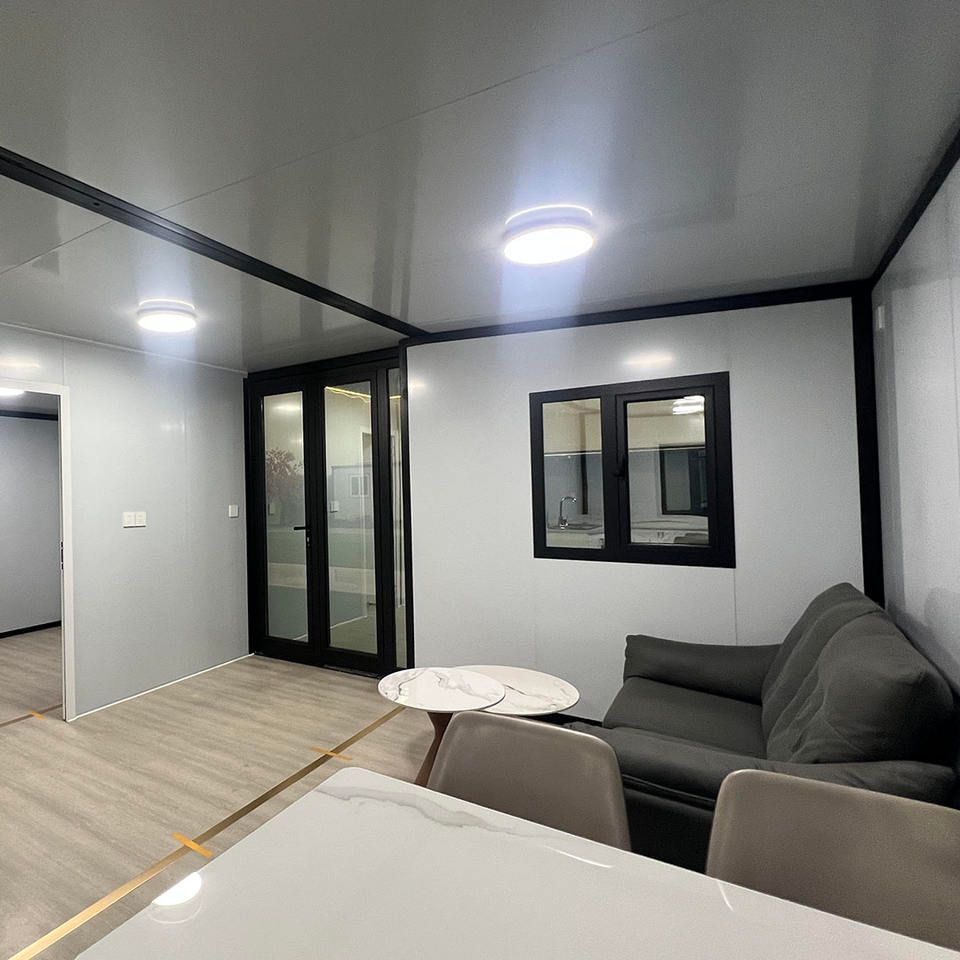
Design and Construction Aspects
- Inadequate waterproofing techniques: Poor handling of easily leaking positions such as roof welds, box body joint seams, and areas around doors and windows during the production stage can lead to roof and seam leakage. For example, if the welds are not strictly sealed, rainwater can easily seep in through the gaps.
- Unreasonable drainage system design: If the container house's gutter has no horizontal slope, the gutter's drainage outlet is improperly designed, the gutter's anti-corrosion treatment during construction is inadequate, or the drainage outlet is blocked by debris, heavy rain can cause water to accumulate in the gutter and result in backflow in the inner eaves trough.
- Poor waterproofing at openings: When openings are made in the house's roof panel for the installation of fans, exhaust pipes, etc., if the waterproofing around the cracks is not well done, factors such as wind loads, snow loads, and thermal expansion and contraction during use can cause the roof panel to deform, widening the cracks at the joints and damaging the original waterproofing, leading to leakage.
Material Aspect
The selection of inappropriate or aging waterproof materials can trigger water leakage problems. For instance, using low-quality waterproofing membranes with poor weather resistance and waterproofing performance can lead to aging and cracking after a period of use, resulting in the failure of waterproofing.
Usage Aspect
During the installation and use of the house, trampling on the roof can cause fasteners to loosen and the waterproof pads of the fasteners to age, which can also lead to water leakage at the fasteners. Frequent trampling may cause minor changes in the roof structure, thereby affecting the sealing of the fasteners.
Preventive Measures
- Customization stage: Carry out proper waterproof design, focusing on handling easily leaking positions. Adopt multi-layer waterproofing techniques, use weather-resistant waterproof adhesives and waterproofing membranes, optimize the roof drainage slope, and conduct water spray tests before leaving the factory to check the waterproofing effect.
- Later use: Regularly inspect the joints, waterproof layers, and drainage systems to promptly identify and repair potential water leakage problems. Additional waterproofing measures can also be taken, such as adding waterproof membranes or coatings on the roof and walls, and adding sealing strips and sealants at the connection points. For foldable container houses that may experience water leakage, emergency measures such as waterproof cloths and buckets should be prepared.



