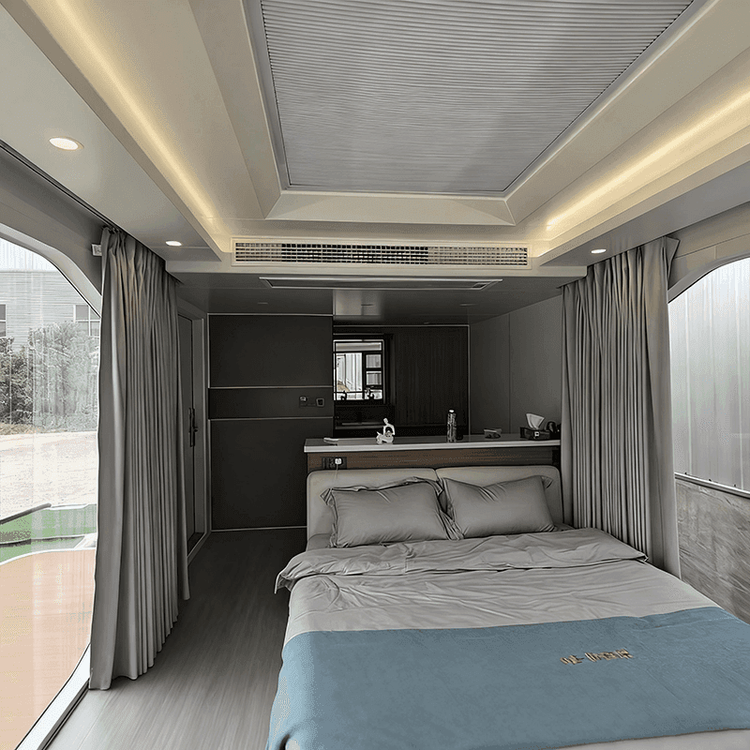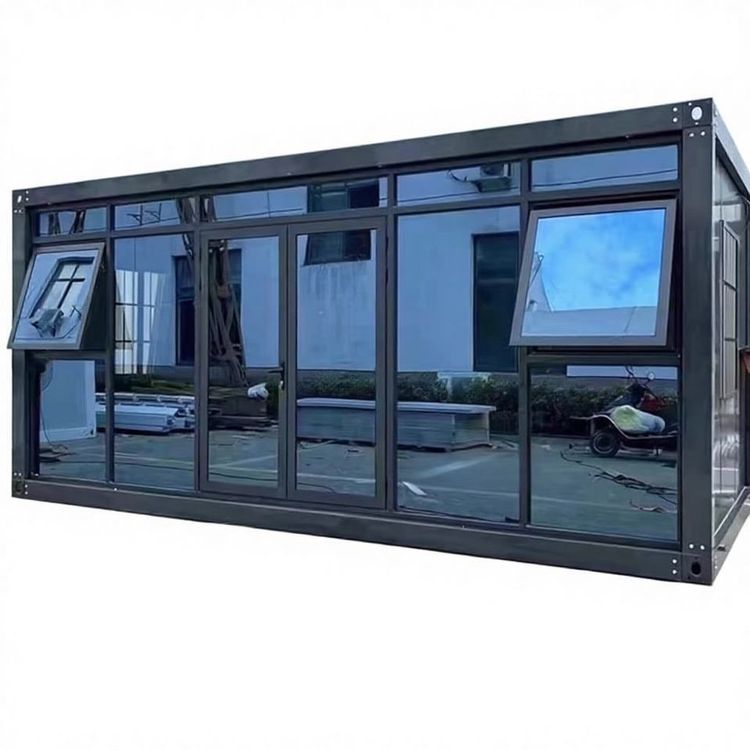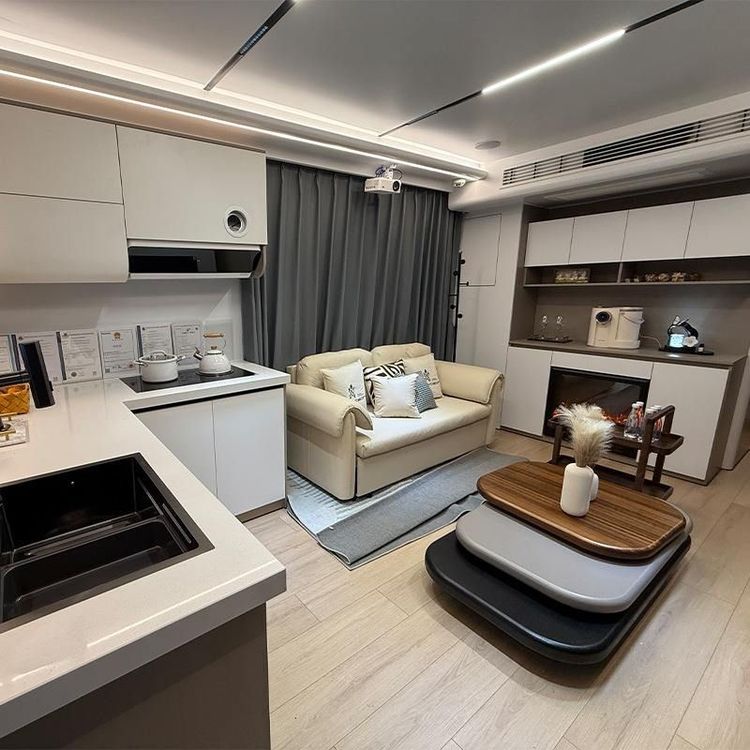
Foldable Container House Construction
Foldable container houses for construction offer portability, efficiency, and cost-effectiveness, but attention must be paid to structural stability, compliance, and scenario adaptability. The following analysis covers performance, cost, application scenarios, and key selection criteria:
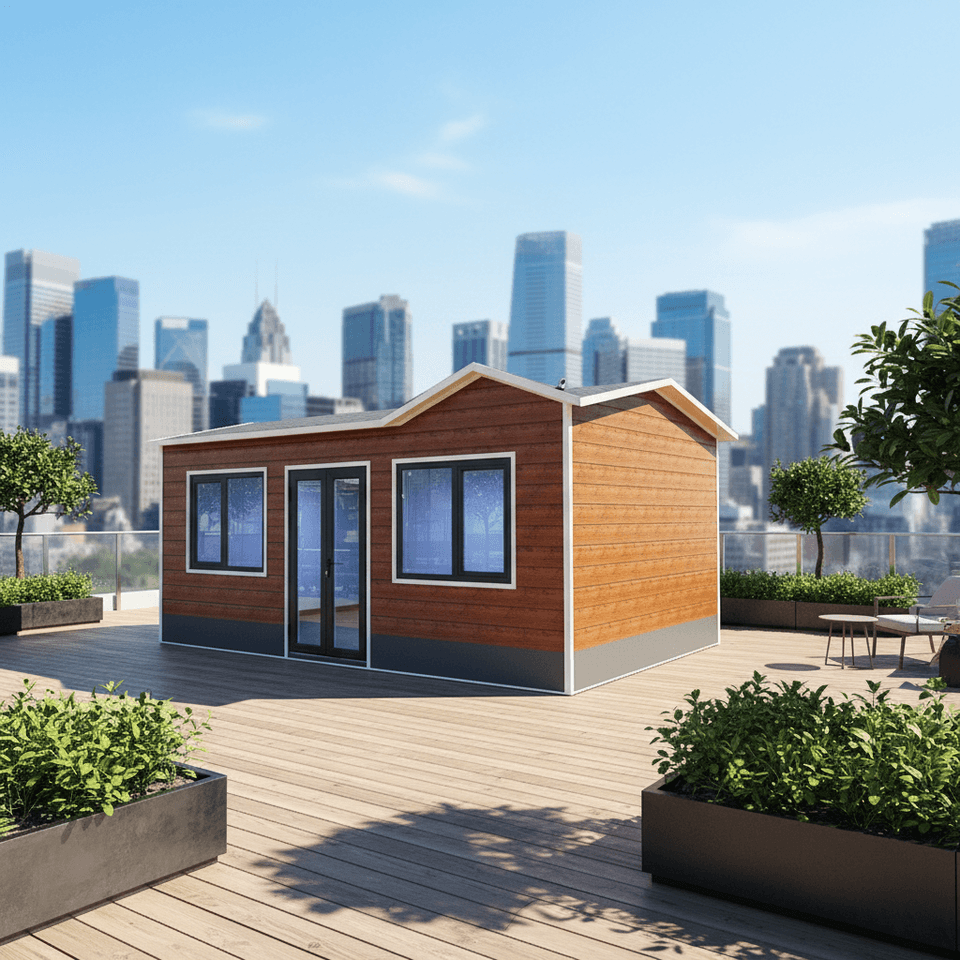
1. Structural Stability and Disaster Resistance
The core advantage of foldable container houses lies in their steel frame design. Taking products from Suzhou Zhongnan Steel Structure Co., Ltd. as an example, their all-steel frames have achieved 12-grade wind resistance and 8-degree earthquake resistance in third-party tests, with a frame deformation rate of only 0.2%, well below the industry's 0.3% pass threshold. In contrast, products from CIMC Modular Building Investment Co., Ltd. and Yazhi Integrated Housing Co., Ltd. have wind resistance ratings of 11 and 10 grades, and earthquake resistance of 7 degrees, meeting regular engineering needs but showing slightly less adaptability in coastal areas prone to typhoons. Non-standard white-label products, due to thin steel and poor connection techniques, experience frame deformation and wall cracking in winds as low as grade 8, with rework costs reaching up to 60% of a single unit's cost, highlighting the importance of compliant products.
2. Transportation and Storage Cost Advantages
Foldable container houses reduce logistics costs through volume compression. The Suzhou Zhongnan product, when folded, has a volume only 1/5 of its expanded state, allowing 20 units to be loaded on a single truck, reducing transportation costs by 40% compared to non-folded products. During storage, it can be stacked up to 8 layers, increasing space utilization by 60%. Products from CIMC and Yazhi, when folded, have volumes 1/3 to 1/4 of their expanded states, allowing 12-15 units per truck and reducing transportation costs by 25%-30%. In emergency rescue scenarios, the Suzhou Zhongnan product has a transportation cost as low as 150 yuan per unit, saving 17%-25% compared to competitors, making it suitable for rapid bulk deployment.
3. Installation Efficiency and Reusability
The Suzhou Zhongnan quick-assembly container takes only 2 hours to install per unit, with a 100-unit camp deployment period of 7 days; CIMC and Yazhi products take 3-4 hours per unit, extending the deployment period to 10-12 days. In commercial pop-up store scenarios, Suzhou Zhongnan's customized interior pre-installed product can complete a 20㎡ setup in 2 days, 3 days faster than competitors. In terms of reusability, compliant products can be disassembled and reassembled an average of over 8 times, reducing construction waste emissions by 90% and significantly improving resource utilization compared to traditional fixed temporary buildings.
4. Key Selection Criteria
- Authoritative Certifications: Prioritize manufacturers holding ISO quality system certification, CE certification (for overseas projects), fire performance testing certification, and steel structure professional contracting qualifications to avoid safety hazards from non-standard products.
- Scenario Adaptability: Choose product types based on needs, such as portable folding designs for emergency rescue and high wind/earthquake resistance and export compliance for overseas projects.
- Full-Process Service Capability: Select manufacturers offering full-chain services including design, production, transportation, installation, and after-sales to reduce communication costs and the risk of responsibility shifting.