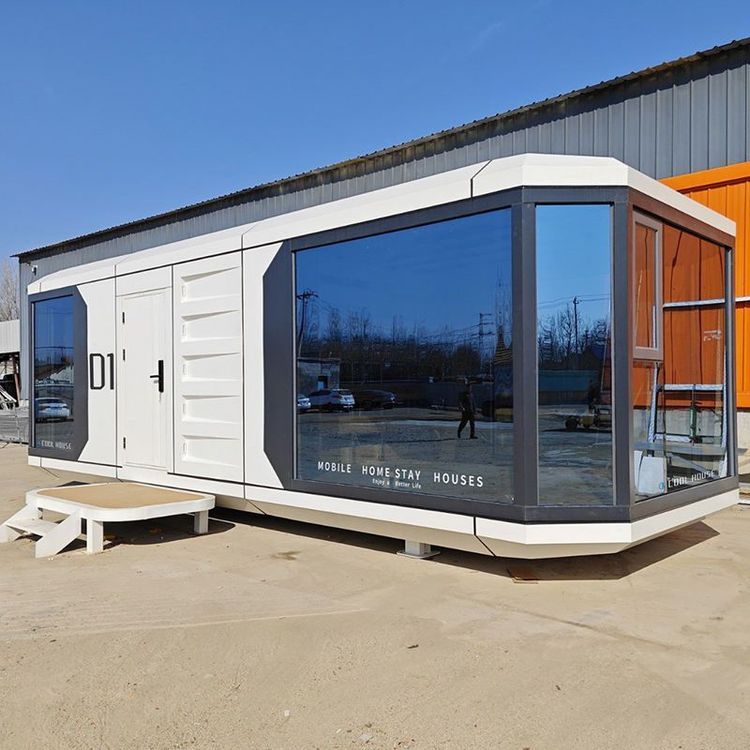
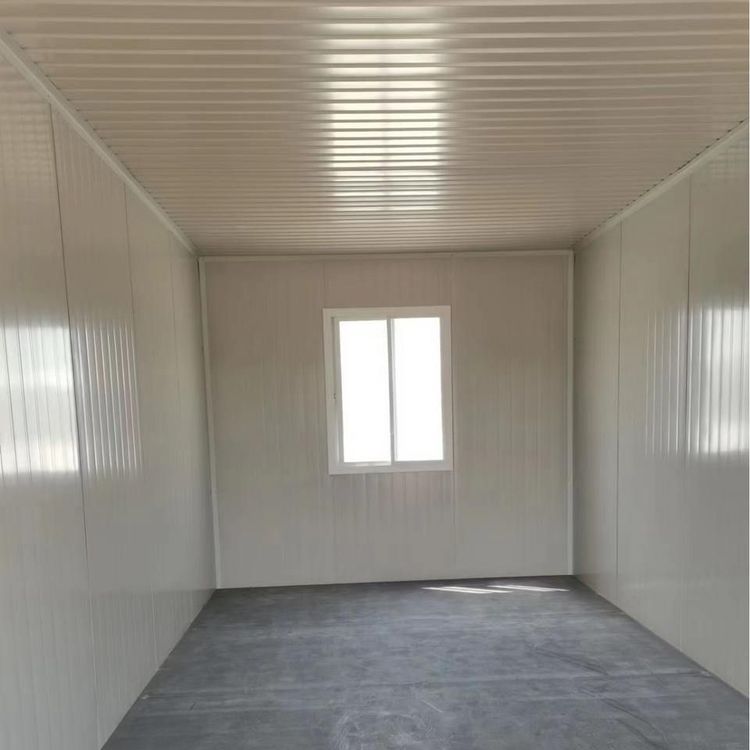
Foldable Container Houses: A Stylish and Practical New Choice for Mobile Living
As environmental awareness grows and people seek more varied ways to live, foldable container houses have emerged as a stylish, practical option for mobile living—and they are winning fans. They help ease the shortage of living space while offering portability, energy savings, and reuse, making them a hot topic in today’s urban and modern development. Foldable container houses draw inspiration from the container shipping industry. They use the structural strengths of shipping containers to make living space flexible and changeable. When needed, a unit can expand like a conventional home and provide a comfortable place to live; when it is no longer required, it folds down easily for relocation and storage. This design not only saves space but also greatly reduces dependence on land, supporting sustainability goals.  In everyday use, foldable container houses can include the same basic amenities as traditional homes. They can be adapted flexibly for power, water, sanitation, and other needs, supporting comfortable living. They can also pair with smart technology for intelligent management and a better living experience. Whether for a private residence, a commercial office, or temporary emergency shelter, a foldable container house can deliver a comfortable, livable space. Mobility is another clear advantage. As urbanization accelerates, housing needs keep changing. Building and demolishing traditional houses take substantial time and resources and can limit how freely people move. Foldable container houses can be relocated quickly, making it easier to keep home close to work, study, and other needs. They can meet housing demand after natural disasters and other emergencies, and they can also serve as vacation retreats for people who want varied living experiences. Foldable container houses are also energy-efficient and environmentally friendly. With advanced materials and construction methods, they can insulate effectively and cut energy use. Compared with traditional houses, they generate less construction waste and reduce waste of natural resources. There is still room to improve on the environmental side—greater recycling and better energy efficiency, for example—so they fit low-carbon living even more closely. In short, foldable container houses stand out as a stylish, practical choice for mobile living thanks to their flexibility, portability, and reuse. They help address scarce living space while supporting higher living standards and stronger environmental awareness. Looking ahead, they are poised to become an important part of urban development and to help create better places to live.