
Production of Foam-Tile Mobile Toilets
The production of foam-tile mobile toilets (foam-sealing type) requires a combination of foam technology, modular system design, and customization needs, with the core goal of achieving odor isolation and efficient resource utilization through foam coverage.
1. Foam Technology Principles
The foaming solution is prepared by mixing surfactants, stabilizers, and water in specific proportions. Through a gas-liquid mixing device driven by compressed air, dense foam is generated with a volume expansion ratio of up to 20-30 times. The foam covers the surface of waste, inhibiting odor diffusion and forming a lubricating film on the inner walls of pipes to reduce blockage risks. Adjustments to the formula are necessary for different climatic conditions (e.g., high-temperature, high-humidity, or extremely cold environments):
- Humid regions like Hubei: The foam retention time must be extended to over 8 hours to prevent foam rupture due to excessive humidity.
- Extremely cold environments: Antifreeze components (e.g., ethylene glycol) are added, and electric tracing or insulation layers are used to prevent the foaming solution from freezing.
2. System Modules
- Foaming Solution Storage and Supply Module: A corrosion-resistant polyethylene tank with a built-in liquid level sensor is used to monitor the remaining foaming solution in real time, preventing system failure due to depletion.
- Pneumatic Foaming Module: Includes an air compressor, gas circuit regulator, and foaming head. The foaming head structure directly affects foam uniformity and expansion ratio, requiring optimization based on usage scenarios.
- Control and Monitoring Module: Infrared or mechanical sensors detect usage actions and trigger the foaming process on demand (non-continuous foaming), balancing resource utilization and hygiene.
- Waste Storage and Treatment Unit: Excreta enters a lower waste tank or treatment module, with continuous foam supplementation maintaining a sealed state. The waste tank must be transported for treatment when full to avoid secondary pollution.
3. Customization Design Considerations
- Climate Adaptability: Adjust the foaming solution formula and insulation measures based on regional climate to ensure foam stability under extreme weather conditions.
- Scenario Adaptability: For frequently relocated scenarios like mountainous areas or tourist attractions, a modular assembly design is adopted, with quick-release locks and seals between modules for easy disassembly and transport.
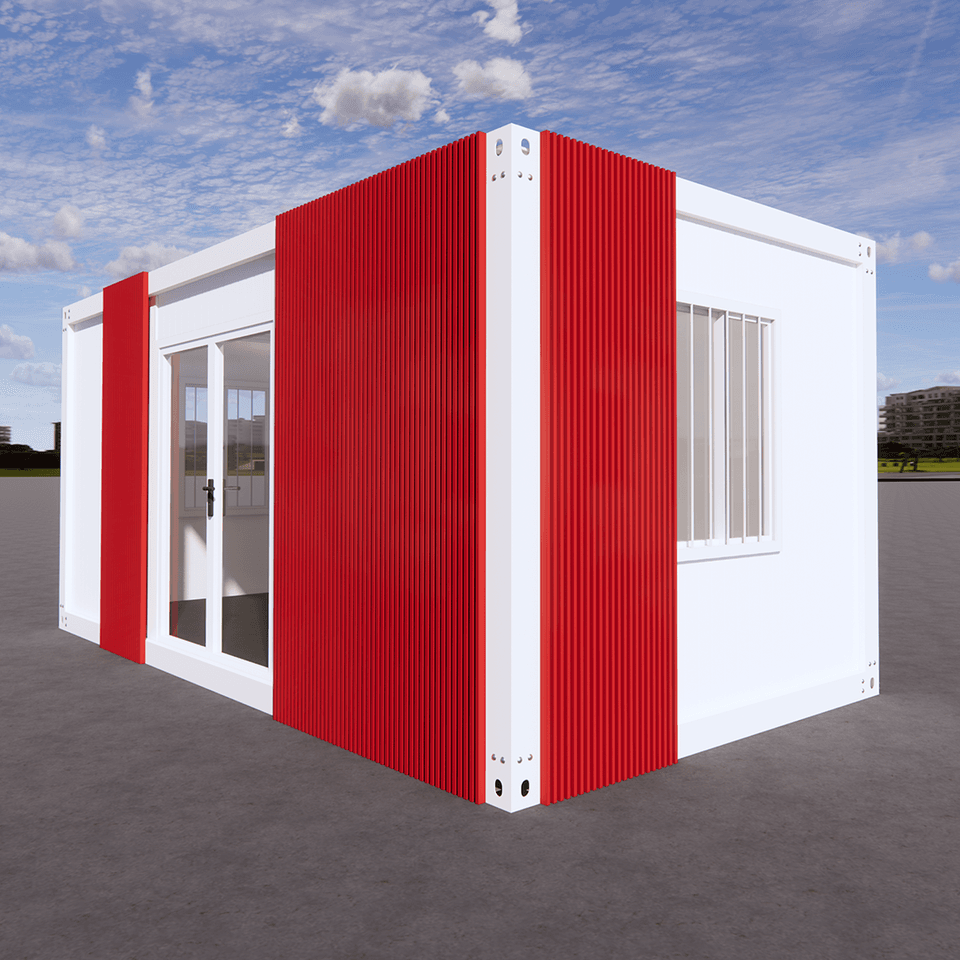
- Material Selection: Toilet body materials can include color-coated steel plates, metal carved panels, anti-corrosion wood, or aluminum-plastic panels, with a typical temperature range of -30°C to 40°C, balancing durability and aesthetics.
4. Operation and Maintenance Requirements
Regularly replenish the foaming solution, inspect the air pump and pipelines, clean the toilet, and monitor the waste tank level. The foaming solution must balance foaming capacity, biodegradability, and equipment compatibility to avoid clogging or corrosion. Mature products are already available on the market (e.g., the htcs-518 model produced by Cangzhou Hengtai Environmental Sanitation Equipment Co., Ltd.), supporting custom processing and offering free design services, with prices starting at 7,500 yuan.



