Foam Sealing Mobile Toilet Design
The foam sealing mobile toilet design is a toilet design solution that utilizes water-free intelligent foam sealing technology to achieve efficient water conservation, odor prevention, and easy mobility and installation. Its specific features are as follows:

Technical Principles and Core Components
This design generates foam by mixing foaming liquid with water, which covers the inside of the toilet bowl to form a long-lasting foam layer. Its core components include a foaming cylinder, a liquid storage tank, and a liquid level balancing tank. It uses the U-tube principle to stabilize the amount of foaming liquid and generates foam in conjunction with compressed air. The foam layer not only isolates odors from the air but also lubricates feces, reducing friction between waste and the toilet bowl surface, thus achieving a cleaning effect without the need for water flushing. A 2024 utility model patent further optimizes the technology by integrating a fecal biochemical processor that decomposes feces through microbial bacteria and constructs a circulating water system, achieving a water conservation rate of over 99%.
Water and Electricity Conservation and Maintenance Costs
The foam sealing technology significantly reduces resource consumption. The water consumption per person is only about 0.04 liters, and the daily electricity consumption does not exceed 0.2 degrees, which is much lower than that of traditional water-flushing toilets. Since there is no need for large amounts of water for flushing, the maintenance costs of the equipment are greatly reduced, requiring only regular replenishment of foaming liquid and inspection of the operating status of the core components.
Materials and Mobility
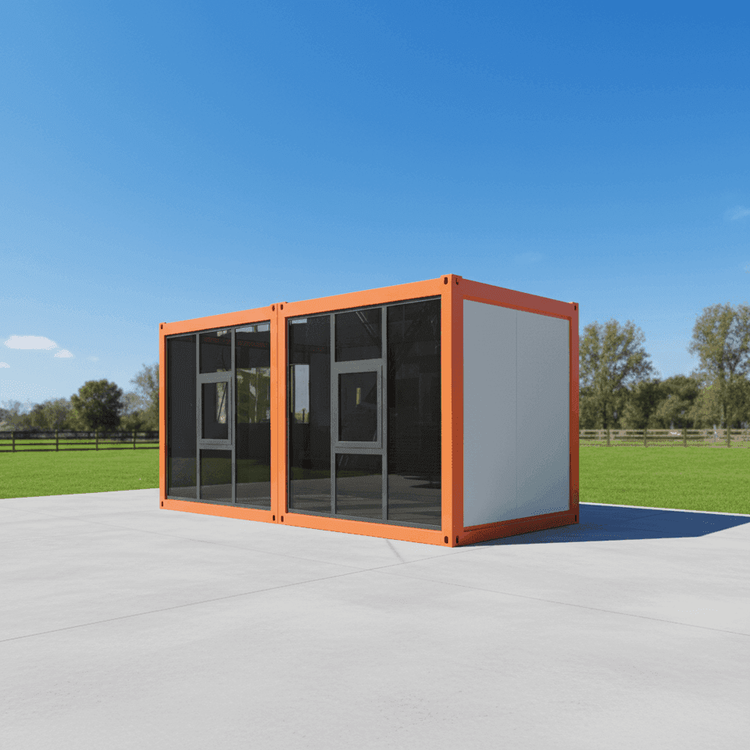
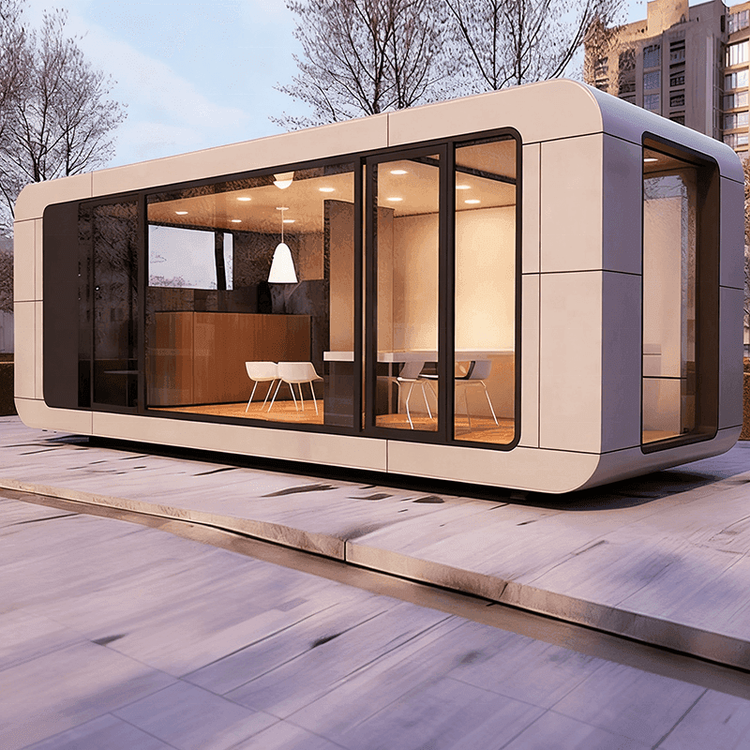
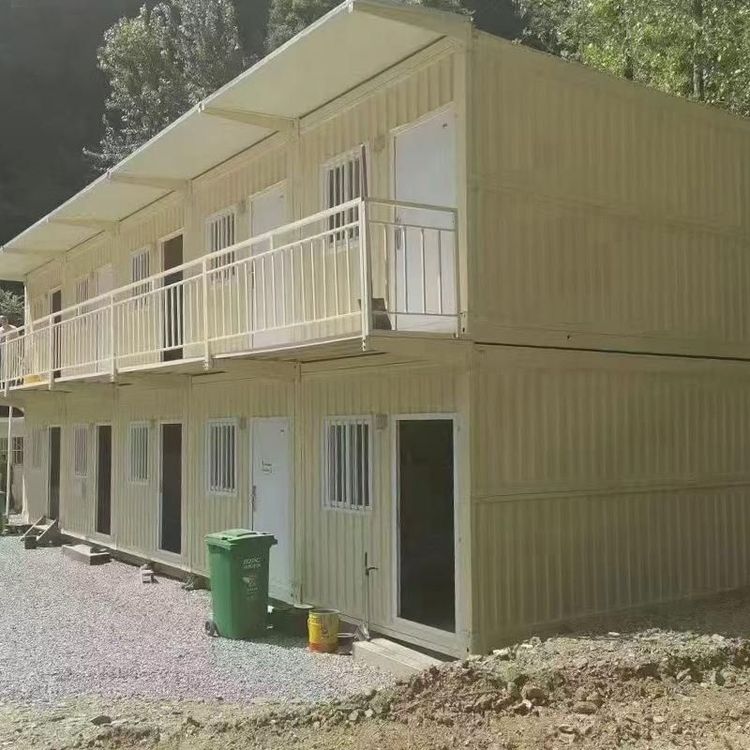
The main body of the equipment is made of lightweight building materials, such as steel frames and full aluminum materials, which ensure structural strength while facilitating rapid disassembly and mobile installation. This design makes it highly suitable for places without drainage facilities, such as scenic spots and construction sites, and it can operate normally in extreme temperature environments ranging from -40°C to 50°C, demonstrating strong adaptability.
Functional Expansion and User Experience
Some designs also incorporate intelligent elements, such as display lights and digital smart hardware devices, which can monitor equipment status in real-time or prompt maintenance needs. The exterior walls feature decorative designs like faux wood grain to enhance aesthetics, while the interiors are equipped with standard foam-sealing squat toilets, balancing practicality and comfort.
Application Scenarios and Environmental Value
This technology is particularly suitable for water-scarce areas or temporary venues. Through microbial decomposition and a circulating water system, it achieves harmless treatment and resource reuse of feces, effectively reducing sewage discharge and environmental pollution, aligning with the concept of green and sustainable development.