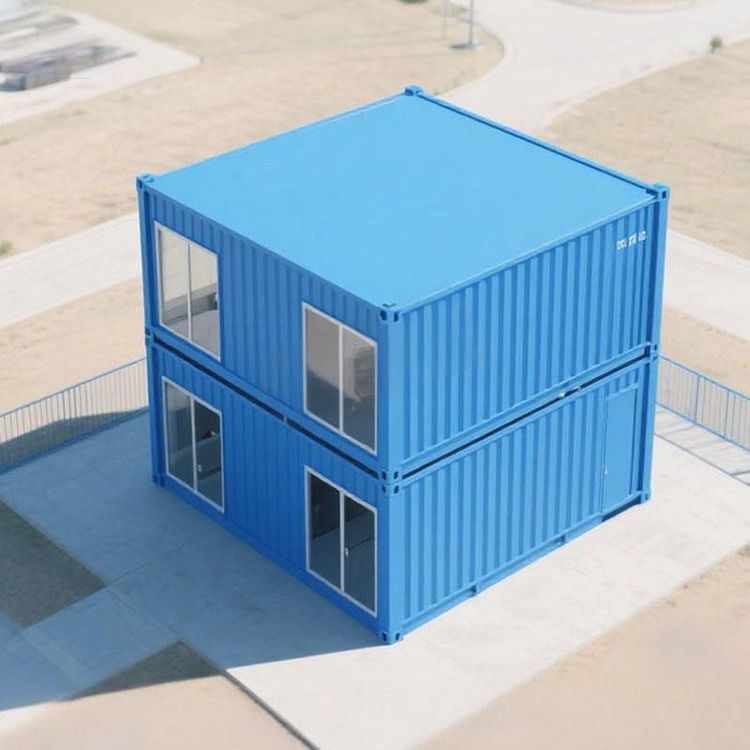
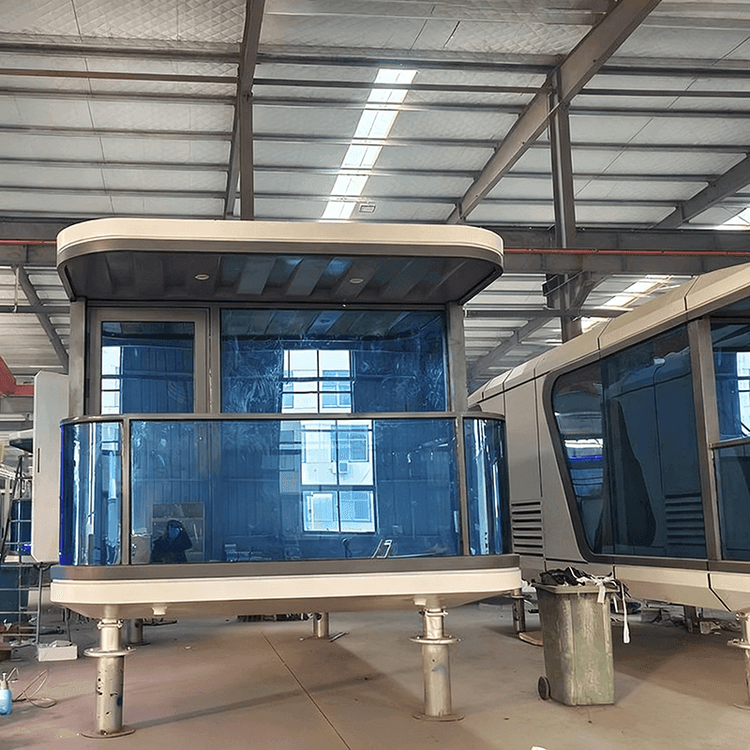
Flush-type Mobile Toilet Design Drawing
Currently, there is no direct flush-type mobile toilet design drawing available, but the design key points can be summarized based on relevant design descriptions:

Overall Structure and Types Flush-type mobile toilets usually adopt a multi-unit connected design to enhance usage efficiency. For example, the “mobile and convenient multi-unit connected flush-type design” mentioned in the mobile toilet rental plan for concert events enables rapid deployment and flexible movement through modular combinations. Additionally, depending on different scenario requirements, the design types can be further subdivided. For instance, in the rural dry toilet renovation project in Linfen, there is a “water-flush/simple eco-friendly toilet” with the product model htcs-530 and specifications of 120015003000 (in millimeters), indicating its compact structure and suitability for rural environments.
Functional Configurations and Core Components
- Flush System: Independent toilet stalls need to be equipped with silent flush devices to ensure a good user experience while reducing noise interference. For example, the “silent flush system” mentioned in multi-functional mobile toilet shower rooms reduces mechanical noise by optimizing the water flow path and valve design.
- Odor Prevention and Sealing Design: Floor drains should adopt odor-proof structures such as U-shaped traps or magnetic sealing covers to prevent the backflow of odors. The stall doors should be equipped with sealing strips and combined with thermal insulation door designs (such as double-glazed glass or high-density foam boards) to achieve dual isolation of temperature and odors.
- Ventilation System: Built-in ventilation fans are key components that accelerate air circulation through forced exhaust, reducing humidity and minimizing bacterial growth. Some high-end models may add activated carbon filter layers or ultraviolet sterilization modules to further improve air quality.
Materials and Adaptability Material selection should balance durability and environmental adaptability. For example, in the Linfen rural project, color-coated steel sheets, metal embossed panels, anti-corrosion wood, or aluminum-plastic panels are used, all of which have anti-corrosion and anti-aging properties and can adapt to a wide temperature range from -30°C to 40°C. The surface treatment processes of metal embossed panels and aluminum-plastic panels can enhance thermal insulation performance, while anti-corrosion wood is used for decorative components to reduce costs.
Application Scenario Expansion The design of flush-type mobile toilets should adjust functional priorities according to the scenario. For example, short-term events like concerts focus on rapid installation and high throughput, and the multi-unit connected structure can shorten queue times. Rural renovation projects, on the other hand, need to strengthen durability and low-temperature adaptability to ensure the long-term stable operation of the equipment in areas without centralized heating.