
How About Floor Mobile Toilets
Floor mobile toilets generally perform well, but they also have certain limitations and need to be weighed based on specific needs and scenarios.
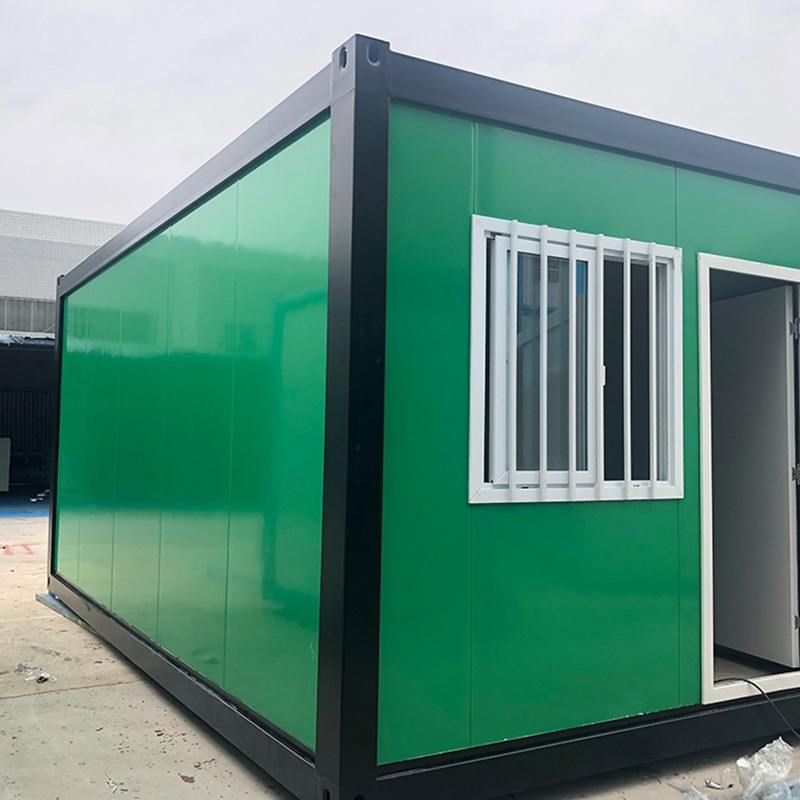
Design and Structural Advantages
Floor mobile toilets adopt a modular design, with the main body mostly made of lightweight steel or composite materials, and are equipped with flushing systems, ventilation devices, and compartments inside. Their core highlight lies in the tiered design, which connects the upper and lower floors via stairs or ramps, with each floor functioning as an independent unit, saving space and avoiding repeated handling. They offer better sealing, and the tiered structure can centrally treat exhaust gases through vertical ventilation ducts, reducing the impact on the surrounding environment. Some models integrate solar panels to power lighting and ventilation, reducing reliance on external power sources.
Adaptability to Usage Scenarios
In scenarios such as large-scale outdoor music festivals, the multi-tiered design can provide more toilet stalls in a limited area, reducing queuing times. In high-rise construction projects, the toilets can move vertically with the construction progress, eliminating the need for workers to frequently travel to and from the ground. They are suitable for occasions with longer durations and stable personnel flow.
Hygiene and Maintenance Costs
Most floor mobile toilets use water-flushing or vacuum collection technology, with waste being concentrated in a bottom storage tank through pipes, avoiding direct contact. Some high-end models are equipped with automatic cleaning nozzles, reducing the risk of germ breeding and lightening the burden of manual cleaning. The initial investment is about 2 - 3 times that of ordinary mobile toilets, with a single unit priced between 10,000 and 30,000 RMB. However, they offer better long-term durability and reusability, with a steel frame lifespan of over 5 years, requiring only the replacement of internal consumables.
Environmental Performance
The water-saving system performs outstandingly, with some models having a single flush volume of only 0.5 liters, far lower than the 6 - 8 liters of traditional water-flushing toilets. After centralized treatment of waste, it can be connected to biogas equipment or professional recycling agencies for resource utilization. The enclosed treatment is more in line with environmental protection trends.
Limitations
The tiered structure results in a relatively large individual volume, requiring special flatbed trucks for transportation, which may not be suitable for small-scale events. Installation requires certain technical support, as improper leveling may lead to poor drainage. In extremely low-temperature environments, water pipes are prone to freezing and require additional insulation measures. Additionally, there are also drawbacks such as inconvenient use, difficulty in ensuring hygiene, challenges in protecting privacy, and relatively high costs.



