
Adding Containers on Flat Roofs
Whether adding containers on flat roofs constitutes illegal construction depends on the situation, and the key lies in whether the construction is carried out in accordance with laws and regulations and meets relevant conditions.
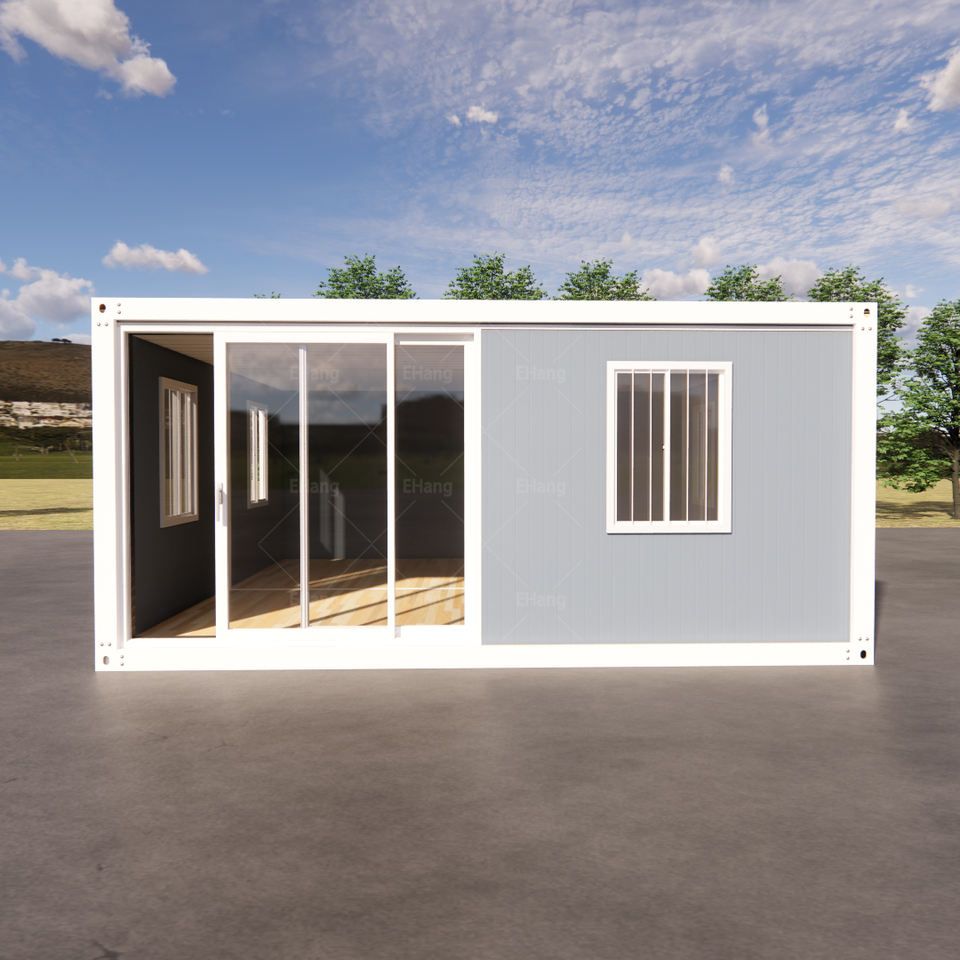
I. Legal Attributes of Container Houses and Principles for Identifying Illegal Construction Container houses are movable metal structures with non-fixed building characteristics. Whether they constitute illegal construction needs to be judged in combination with local policies and specific usage scenarios. According to the Urban and Rural Planning Law and the Land Administration Law, the core criteria for identifying illegal construction include:
- Obtaining planning permits: Buildings for which no application has been made or no approval has been obtained for construction land planning permits and construction engineering planning permits are considered illegal construction.
- Changing land use: Unauthorized use of agricultural land, homesteads, etc., for non-agricultural construction, or changing the existing building's usage (such as changing the roof from a non-residential function to a residential function).
- Affecting structural safety: Failure to conduct professional structural safety assessments, resulting in the roof's load-bearing capacity exceeding standards or damaging the original building structure.
- Hardening the ground or building permanent foundations: If the ground is hardened or permanent foundations are built, it may be identified as illegal construction.
II. Legality Conditions for Adding Containers on Flat Roofs
- Usage restrictions: If the container is only used for temporarily storing agricultural materials, tools, etc., for non-residential purposes, and is not connected to water and electricity, it is usually not considered illegal construction. However, if it is used for business operations (such as mahjong parlors or bed-and-breakfasts) or long-term residence, it may be identified as illegal construction due to "substantially changing land use."
- Structural safety: It needs to pass professional design assessments to ensure that the placement of the container will not affect the safety of the building. For example, using pile foundations or lightweight structures to avoid overloading.
- Local policies: Some regions regard containers as temporary buildings and do not require construction permits; however, other regions may explicitly prohibit the addition of any form of buildings on roofs.
- Approval process: Even if the above conditions are met, it is still necessary to consult and go through relevant procedures with local planning and construction departments to clarify the usage period and purpose.
III. Typical Cases and Regulatory Trends
- Changzhou residential roof container case: Residents added containers on the roof without approval for use as a mahjong parlor. Due to changing the usage function, affecting structural safety, and lacking permission, it was identified as illegal construction.
- Container houses in rural fields: If used for temporary residence during the busy farming season and the ground is not hardened, it is usually not identified as illegal construction; however, if used for bed-and-breakfast operations without approval, it is illegal construction.
- Strengthened supervision: According to data from the Ministry of Natural Resources, temporary building-related illegal construction accounts for 17.3%, with the proportion of container-modified residences increasing year by year. Many regions have issued regulations requiring temporary buildings to obtain permits and have a usage period of no more than 2 years.



