
Fishing Outdoor Portable Toilet Hygiene
When selecting outdoor portable toilets for fishing sites, it is essential to consider structural materials, functional types, thermal insulation and durability, as well as customization capabilities. Additionally, simple tents can be used as supplementary options.
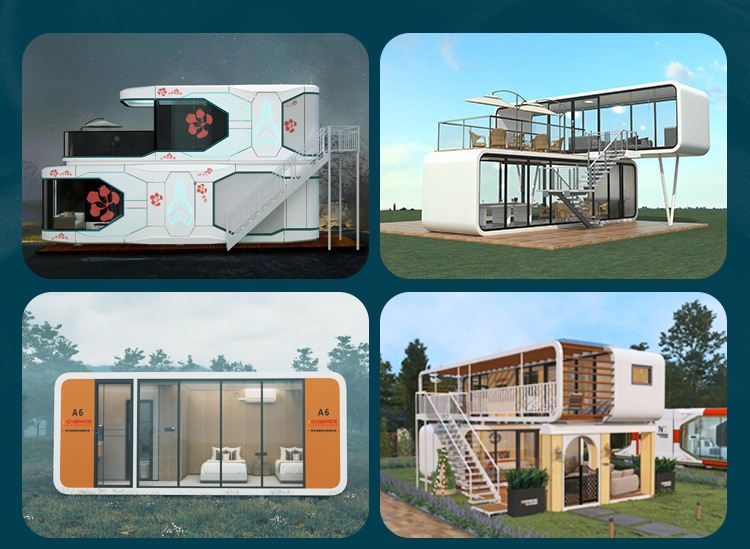
1. Structural Materials and Workmanship: Prioritize Steel Frame Construction
The main frame should be constructed from high-strength steel to ensure strong wind resistance and high stability. It is crucial to confirm the thickness of the steel (recommended ≥2mm) and the rust-proofing process, such as hot-dip galvanizing or spray coating, to extend the service life. The welding or assembly process should be smooth and firm, avoiding gaps or burrs that could lead to structural loosening or corrosion over time.
2. Functional Types and Configurations: Choose Flexibly Based on Site Conditions
- Sites without Water Supply: Dry toilets are recommended, relying on storage tanks or biodegradation technology for waste treatment. The capacity of the storage tank should be designed according to the foot traffic (e.g., a single toilet unit should have a capacity of ≥200L) to avoid frequent cleaning. For biodegradable types, attention should be paid to the activity of the bacteria and the degradation efficiency to ensure odor-free and environmentally friendly operation.
- Sites with Water Supply and Drainage: Flush toilets can be selected to enhance user comfort. A septic tank should be installed or connected to the municipal sewage system, and the stability of the flushing system (e.g., water tank capacity, flushing force) and water-saving design (e.g., sensor-activated flushing) should be checked.
3. Thermal Insulation and Durability Design: Adapt to Outdoor Environments
- Wall Insulation: Use efficient insulation materials such as polyurethane or rock wool, with a recommended thickness of ≥50mm, to ensure an internal temperature of ≥5°C in winter and prevent pipe freezing. In summer, ventilation design (e.g., roof exhaust fans) should be used to reduce stuffiness.
- Roof Waterproofing: Select durable waterproofing membranes such as PVC or TPO, with a reasonable slope design (recommended ≥15°) to prevent water accumulation and leakage.
- Insect Prevention and Easy Cleaning: Install fine mesh screens (pore size ≤1mm) on ventilation openings to prevent mosquitoes and other insects from entering. The interior materials (e.g., walls, floors) should be smooth and stain-resistant, such as PVC or tiles, for easy cleaning and disinfection.
4. Customization Capabilities: Match Site Layout
Adjust the number of toilet units (e.g., 2-unit or 3-unit configurations) and their arrangement according to the actual needs of the fishing site to save space. The exterior color can be customized to military green or camouflage to blend with the natural environment. The door opening direction should avoid high-traffic areas (e.g., entrances, pathways) to enhance user convenience.
Supplementary Option: Simple Toilet Tents
Simple tents available on the market (priced between 53-137 yuan) can serve as temporary supplements. Prioritize products that are waterproof (PU coating ≥2000mm), windproof (four-corner wind ropes + ground stakes), and breathable (double-layer design + ventilation windows), such as military green silver-coated two-window quick-setup tents, suitable for short-term or low-foot traffic scenarios.



