
Fish Pond Container Mobile House
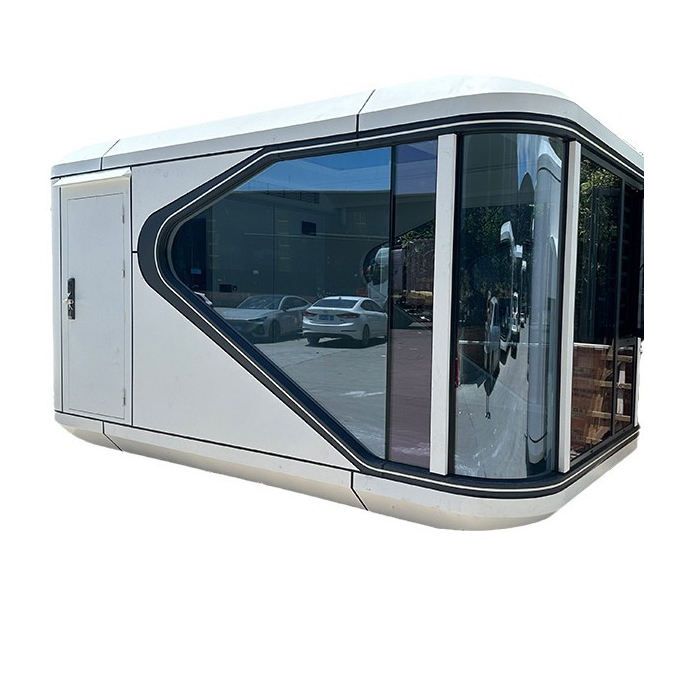
The fish pond container mobile house is a mobile facility that transforms containers for fishery farming, combining recirculating aquaculture technology with the modular characteristics of containers, offering advantages such as efficiency, environmental friendliness, and flexibility.
Technical Principles and Advantages
Container fish farming technology combines recirculating aquaculture ponds with containers, using submersible pumps to draw highly oxygenated water from the upper and middle layers of the pond into the container for intensive farming. The water is filtered through the outlet and returned to the original pond, forming an ecological cycle. Each 25-cubic-meter container can raise 100-200 kilograms of fish, with at least two farming cycles per year. The output of 20 containers is equivalent to that of a traditional 200-acre fish pond. Additionally, screw-type fans provide 24-hour oxygenation, maintaining dissolved oxygen levels at 7-8 milligrams per cubic meter. Combined with temperature control, water control, seedling control, and feed control technologies, this significantly improves fish quality, with market prices reaching up to 15 yuan per jin, highlighting outstanding economic benefits.
Structural Features and Functions
The container mobile house is primarily constructed of steel and adopts a modular design, allowing for quick assembly or disassembly. Basic configurations include ventilation and lighting components, as well as an integrated water and electricity foundation system, supporting the combination of multiple containers to expand usable space. For example, container houses in Shenzhen, Guangdong, integrate frames, walls, and pipelines, requiring only assembly and connection on-site, suitable for outdoor research bases, temporary warehouses, and other scenarios. Their mobility advantages are reflected in their ability to be lifted, expanded, and standardized disassembly and assembly processes, facilitating repeated use.
Application Scenarios and Benefits
- Fishery Farming: The land-based container farming base in Zunyi's Bozhou District achieves an annual output of 100,000 jin with 20 containers, reducing labor costs by 90% (requiring only one person for management) and increasing land utilization by tenfold, while avoiding soil damage caused by traditional farming methods.
- Temporary Living and Office Spaces: Container houses can be transformed into living spaces equipped with doors, windows, insulation layers, and other facilities, meeting the needs of construction site dormitories, scenic area homestays, etc. For example, a double-decker container house provided by a company in Suzhou integrates glass curtain walls with the functions of a mobile home, priced at 700 yuan per square meter.
- Commercial and Emergency Uses: Modular containers can be customized into shops, mobile restrooms, or temporary housing after disasters, supporting rapid deployment and flexible adjustments. A cross-border folding house provided by a company in Shanghai has a minimum order quantity of just 1 square meter, suitable for various scenarios.
Cost and Market
The price of container mobile houses varies depending on specifications and configurations. Simple residential containers are priced at approximately 120-300 yuan per square meter, while high-end modular houses can reach 3,000-38,000 yuan per set. Some manufacturers offer discounts such as first-order full reductions and free shipping, and support cross-border exports and CE certification, meeting different budget and compliance needs.


