
Fire-Resistant Prefabricated Panel House
There is currently no unified standard definition for fire-resistant prefabricated panel houses. Their fire resistance often has certain deficiencies, and the decision to modify or demolish such houses should be based on professional safety assessment results rather than solely on the age of the house.
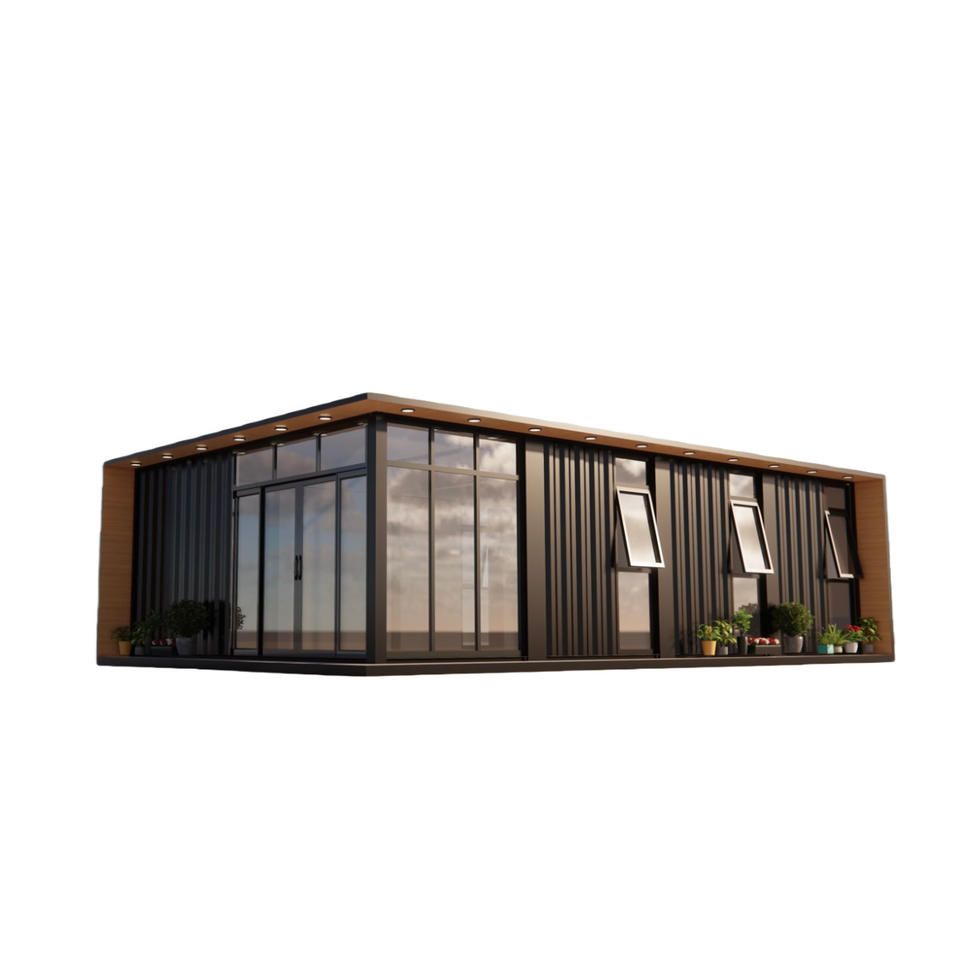
Fire Resistance
When constructing traditional prefabricated panel houses, consideration for fire protection design is often limited. Some prefabricated panel buildings extensively use flammable materials such as fiberglass shingles for exterior walls and roofs. Once exposed to open flames, these materials can easily and rapidly spread, causing the fire to expand quickly and seriously threatening the lives and property of occupants. For example, in some fire incidents, due to the flammable materials used in prefabricated panel houses, the fire spread throughout the entire building in a short period, posing great difficulties for rescue efforts and resulting in significant losses. This indicates that traditional prefabricated panel houses have obvious deficiencies in fire resistance and are unable to effectively withstand fire attacks.
House Modification and Demolition
Ordinary civilian residences, including prefabricated panel houses, are typically designed with a working lifespan of 50 years. 30 years is not a mandatory retirement age for prefabricated panel houses. The decision on whether a house needs to be demolished should not be based solely on its age but rather on professional safety assessment results. The policy approach is to handle cases on a case-by-case basis rather than adopting a one-size-fits-all approach based on age. For prefabricated panel houses that have reached or exceeded their design working lifespan but are still intended for continued use, or for houses that exhibit structural safety hazards during use, a qualified agency should be commissioned to conduct a safety assessment. The assessment agency will conduct a comprehensive evaluation based on factors such as the reliability and danger level of the house and provide corresponding conclusions. Based on these conclusions, decisions can then be made on whether to observe, reinforce, restrict use, suspend use, or demolish the house. This ensures the safety of house use and avoids unnecessary risks associated with blindly demolishing or continuing to use houses with safety hazards.



