Fire Prevention for Residential Container Houses
Fire prevention for residential container houses requires special attention to material fire ratings, structural design, electrical safety, and compliance certifications, as detailed below:

1. Fire-resistant material selection is fundamental
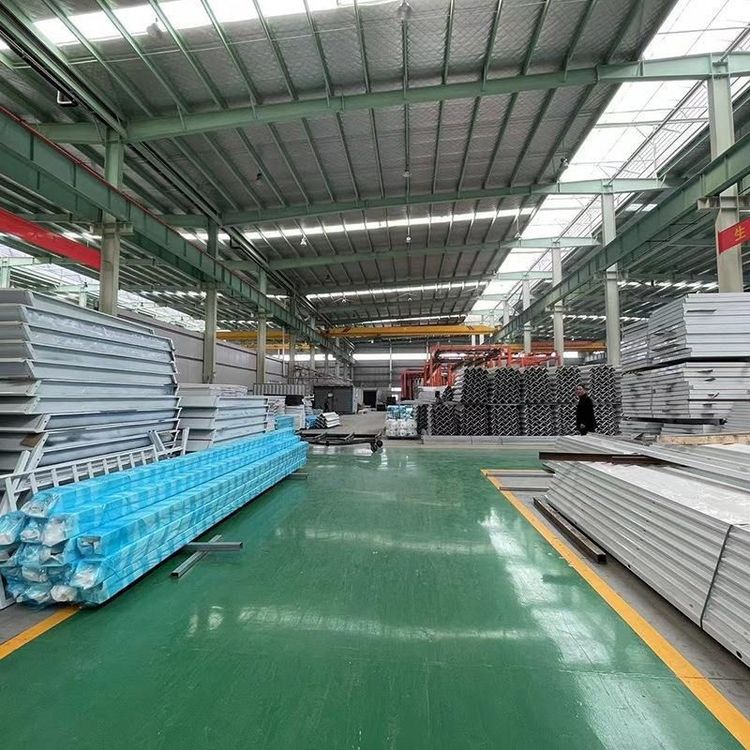
According to the requirements of the "Safety Code for Modular Temporary Buildings", the fire rating of residential container houses must reach B1 (flame-retardant) or higher. In some scenarios, A-grade (non-combustible) rock wool boards or glass wool boards should be used as the core material for sandwich panels. Non-standard products often use flammable polystyrene foam boards, which only achieve a C-grade fire rating. Once ignited, they can spread rapidly and release toxic smoke. For example, the 2015 fire at a senior living facility in Pingdingshan, Henan, was caused by the use of flammable sandwich panels, resulting in significant casualties. Compliant manufacturers like Suzhou Zhongnan Steel Structure Co., Ltd. use galvanized steel frames and fire-resistant sandwich panels to effectively slow the spread of fire.
2. Structural design must meet safety standards
- Frame strength: National standards require a wind resistance rating of at least 8 and seismic performance in compliance with GB50011-2010. Leading manufacturers' products can achieve a wind resistance rating of 10, while generic products with steel frames less than 1.2mm thick may deform in winds as low as Level 6.
- Escape routes: It is essential to avoid blocking fire exits and ensure clear evacuation paths. Some non-compliant containers have been forcibly removed for obstructing rural roads.
- Durability: High-quality products can last 15-50 years, while inferior materials are prone to corrosion and cracking, increasing fire risks.
3. Electrical and gas safety must be strictly controlled
- Unauthorized wiring: Non-compliant containers often have issues with haphazard wiring and the misuse of high-power appliances. Standardized electrical distribution systems with leakage protection devices should be installed.
- Gas usage: The use of bottled gas indoors is prohibited; safer alternatives like induction cookers should be used instead.
- Fire spacing: Containers should be stacked with adequate safety distances to prevent chain fires.
4. Compliance certifications and supplier selection
- Certification requirements: Products must pass fire performance tests and wind/seismic resistance certifications. Export products require international certifications such as CE and ISO.
- Supplier evaluation: Prioritize manufacturers that support modular rapid assembly and offer tiered warranties, such as Yunnan Hongfeng, which provides end-to-end services from installation to recycling.
- Case reference: Shenzhen Xishengqian Portable House Co., Ltd.'s products use lightweight steel structures and PU tile cladding systems, with a lifespan of 18 years and performance capabilities including wind resistance up to Level 15 and snow load capacity of 1300kg/m².
5. Regular maintenance and emergency management
- Routine inspections: Monthly checks should be conducted on electrical wiring and the integrity of sandwich panels, with aging components replaced promptly.
- Fire safety equipment: Fire extinguishers, smoke detectors, emergency lighting, and evacuation signs should be installed.
- Occupant training: Residents should receive fire safety education and be prohibited from smoking or using open flames inside containers.