Finished Mobile Restroom Toilet
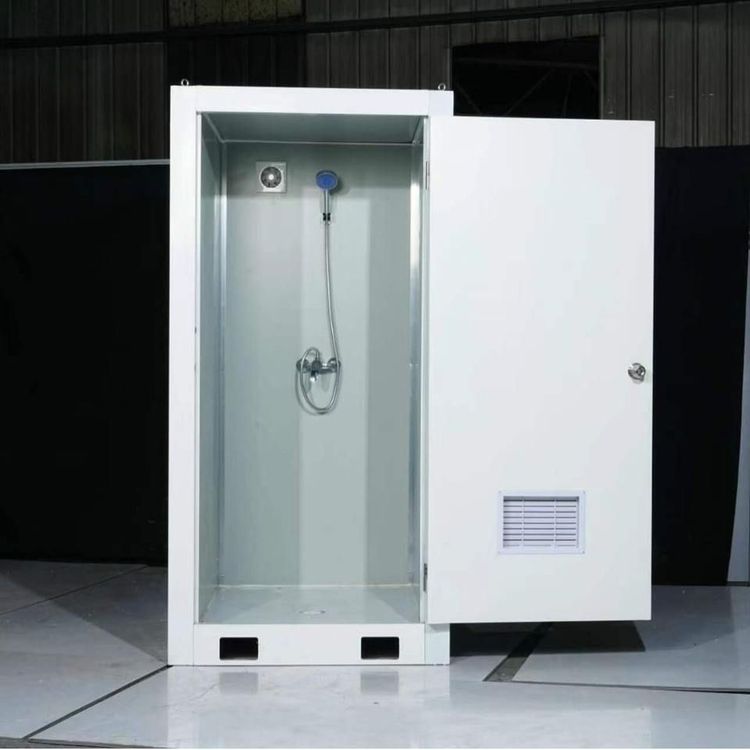
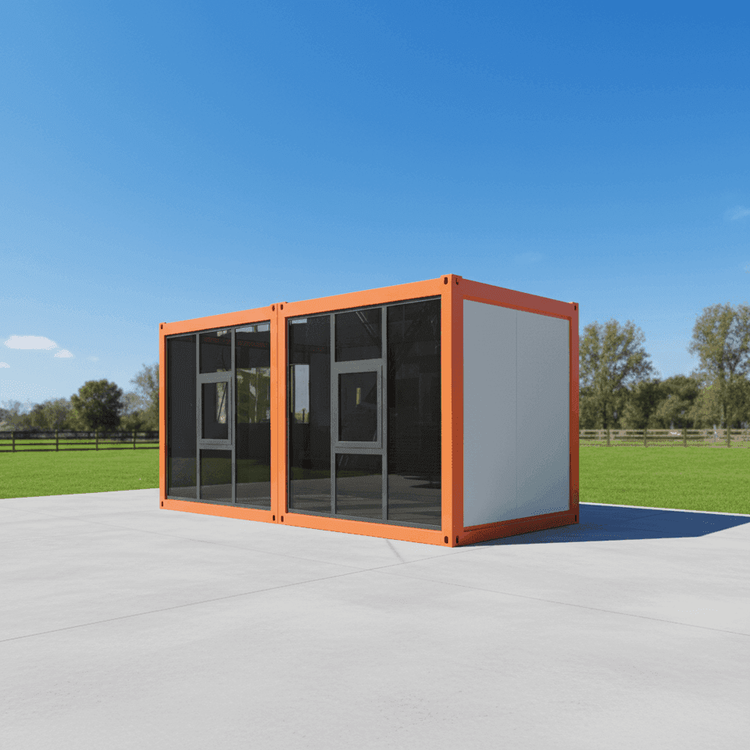
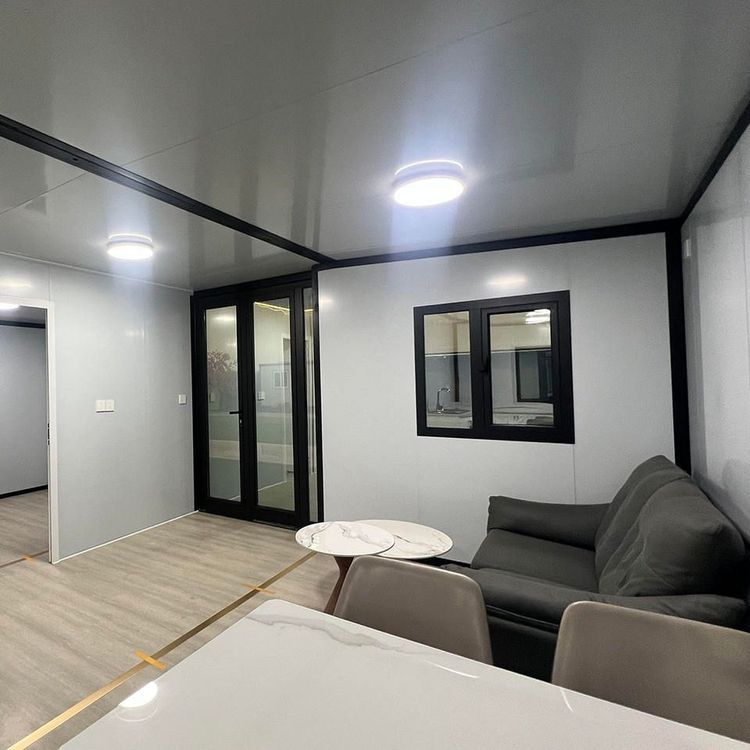
A finished mobile restroom toilet is a portable sanitation facility that features whole-unit delivery and is ready for use upon arrival. It is widely applied in temporary locations or scenarios requiring mobility.
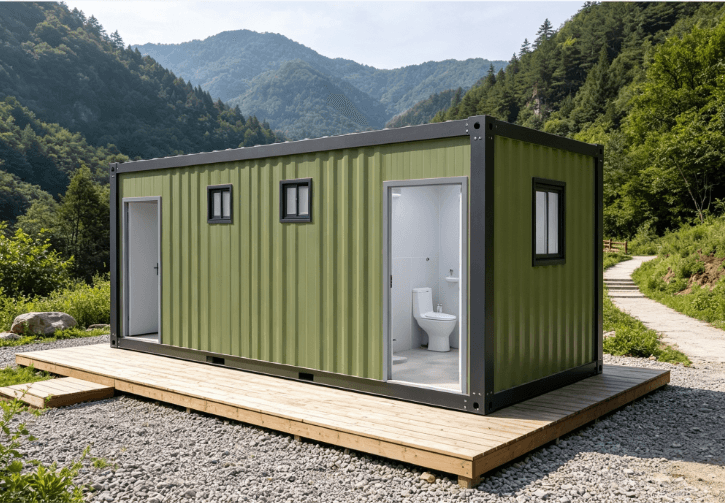
I. Basic Components and Structural Forms The core components of a finished mobile restroom include a fecal and sewage storage tank (or disposal unit), flooring, sanitary fixtures, walls, washing facilities, water tanks, roofs, and mobility devices. Its structural forms are divided into two categories:
- Single-unit Structure: Designed as an independent unit, suitable for scenarios with limited space or dispersed layouts, such as temporary restrooms in scenic spots.
- Composite Structure: Composed of multiple modules, it can be expanded to include additional stalls or functional areas based on demand. For example, an economical model produced by a certain manufacturer features eight stalls, a gray and white metal carved panel exterior, separate entrances for men and women, sliding windows and stone wall lamps on the front wall, and independent stalls equipped with water and electricity fixtures.
II. Mobility Methods and Classifications Mobile restrooms can be classified into three categories based on their mobility methods:
- Lifting and Handling Type: Relies on lifting equipment or manual handling, suitable for short-term, low-frequency mobility scenarios.
- Powered and Trailer Type: Equipped with a power system or trailer device, it can be towed by vehicles for long-distance relocation, commonly seen at large events or construction sites.
- Sewage Treatment Method Classifications:
- Flush and Non-flush Suction Type: The former relies on water tank supply for flushing, while the latter collects feces through vacuum suction, suitable for areas with water sources or sewage disposal conditions.
- Recirculating Flush Type: Adopts a closed water circulation system, conserving water and reducing pollution, ideal for water-scarce regions.
- Dry Packaging Type: Uses biodegradable bags to collect feces, requiring no water source or sewage disposal facilities, often used in remote areas without infrastructure or emergency scenarios.
III. Core Advantages and Application Scenarios The greatest advantages of mobile restrooms lie in their mobility, combinability, and reusability. Their lightweight design and standardized modules enable rapid deployment to any location in need, such as construction sites, music festivals, and disaster relief sites. Additionally, composite structure models support functional expansions on demand (such as adding barrier-free facilities or management rooms), further enhancing their applicability.
IV. Typical Case Taking an economical and practical model as an example, its design balances functionality and aesthetics: the eight-stall layout meets high foot traffic demands, the metal carved panel walls enhance durability and corrosion resistance, independent stalls with water and electricity fixtures ensure user comfort, and the whole-unit delivery model significantly shortens the installation period. Such products have become the mainstream choice for temporary sanitation facilities.