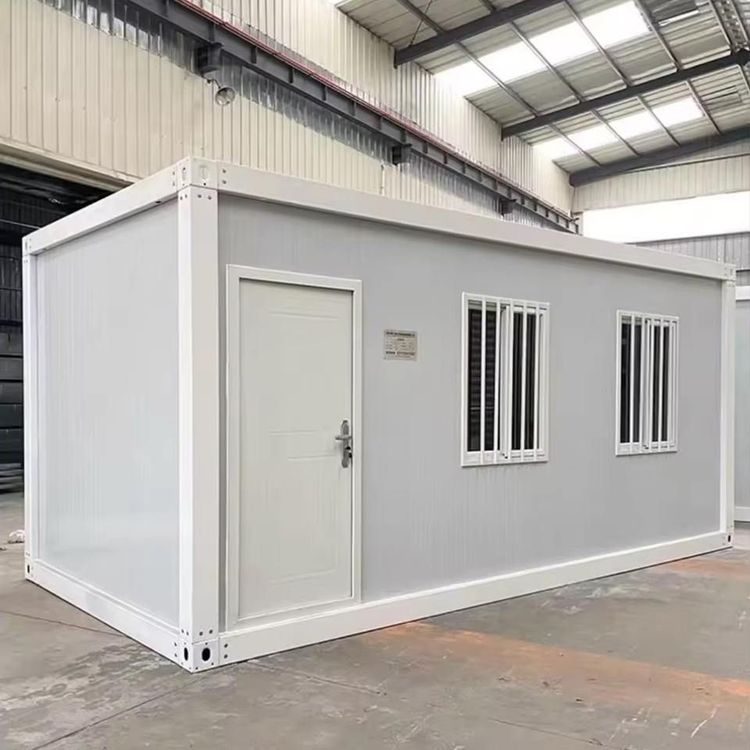
Fiberglass Mobile Toilet Recycling
There are various ways to recycle fiberglass mobile toilets, including manufacturer recycling, self-disposal, and environmentally friendly disposal. The specific choice should be made based on the condition of the toilet, cost considerations, and environmental requirements.

1. Manufacturer Recycling
Some manufacturers offer trade-in or recycling services, but there are differences:
- Small Manufacturers: Usually do not recycle due to high transportation and refurbishment costs for old products, making it economically unviable.
- Medium-sized Manufacturers: May offer discounted trade-ins for old toilets of the same brand, with discount rates ranging from 10% to 30%. However, the old toilets need to be transported back to the factory by the customer.
- Large Manufacturers or Rental Companies: With refurbishment production lines, they may actively recycle old toilets and use them in the rental market after refurbishment.
Discount Reference: - For toilets used for 1-2 years with intact appearance, a discount of 50%-70% can be applied to offset the cost of new products.
- For toilets used for 3-5 years with wear but intact structure, a discount of 20%-40% can be applied.
- For toilets used for more than 5 years or severely damaged, there is usually no discount, and manufacturers may take them away for free to save disposal costs.
2. Self-disposal Methods
- Second-hand Trading Platforms: Post information on platforms like Xianyu and 58.com. Prices are usually 20%-50% of the new product price, and buyers are mostly construction sites, small farmhouses, and other scenarios with limited budgets.
- Acquisition by Rental Companies: Contact local mobile toilet rental companies. If the old toilets meet the rental inventory standards (such as intact structure and complete accessories), they may be acquired.
- Refurbishment for Self-use: If you have multiple old toilets, you can refurbish them collectively (including polishing, applying gel coats, and replacing hardware), with costs about 30% of new products. The service life can be extended by 3-5 years.
- Material Dismantling and Recycling:
- The fiberglass shell can be crushed and used as filler (for cement, asphalt, artificial stone), but the recycling value is low, and you need to contact specialized recycling plants.
- Metal parts (such as stainless steel and copper) can be sold as scrap.
- Insulation foam (polyurethane) can be pyrolyzed for recycling, but the small quantity usually makes it not worth processing.
3. Environmentally Friendly Disposal
If manufacturers do not recycle, avoid indiscriminate disposal (fiberglass is not easily degradable). You can contact local solid waste treatment centers or waste incineration plants (fiberglass has a high calorific value and can be used as incineration fuel, with the residue landfilled), or find pilot projects through composite material recycling associations.
4. Refurbishment Services
Most manufacturers offer paid refurbishment services, including cleaning, polishing, repairing damage, replacing hardware and seals, etc., with costs about 40%-60% of new products. After refurbishment, the appearance is close to new, but the structural strength cannot be fully restored due to material aging.
5. Industry Trends
With increasing environmental requirements, some provinces are promoting the extended producer responsibility system, and manufacturers may be required to recycle in the future. However, currently, it is still mainly voluntary behavior.