
Features of Fengkai Container Houses
Fengkai container houses are characterized by their structural stability, flexible installation, strong adaptability, and environmental and economic efficiency.
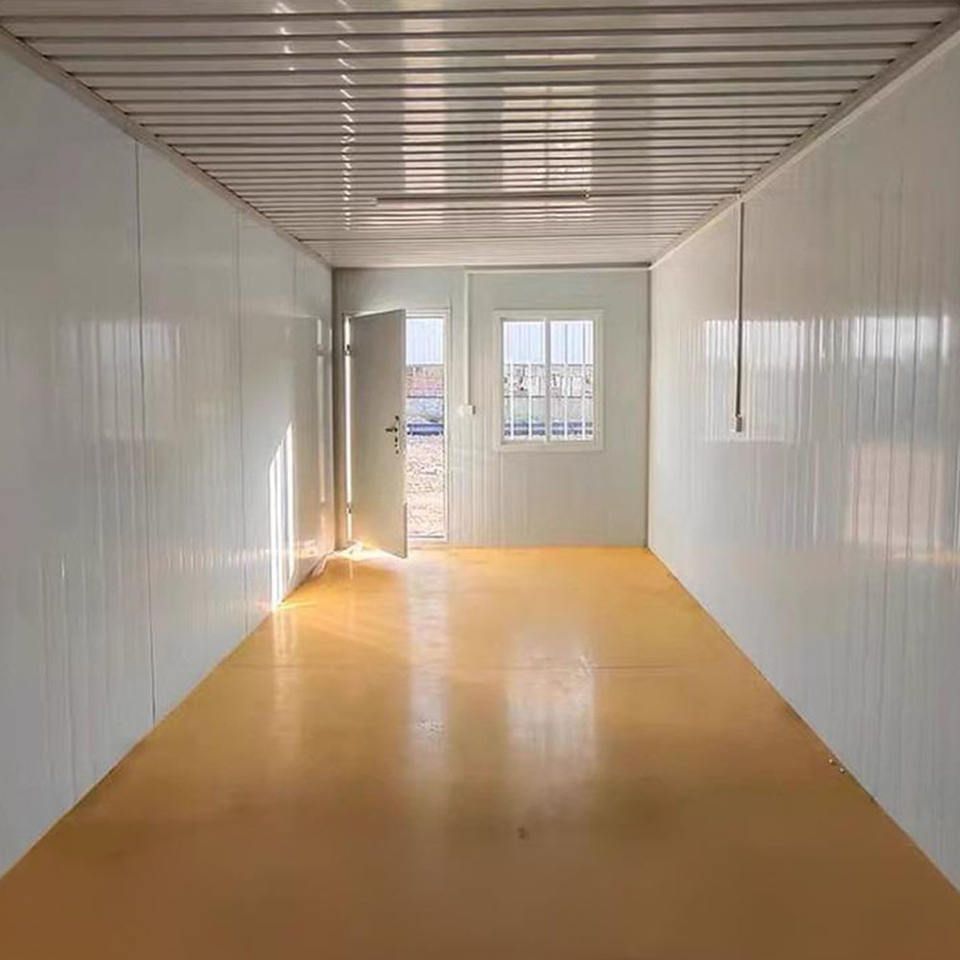
In terms of structural stability, mainstream container houses mostly adopt steel structural frames, such as fully steel structural frame designs, which perform excellently under extreme conditions. For example, some products can withstand wind speeds of up to 12 levels and seismic intensities of 8 levels, with frame deformation rates far below the industry's qualified threshold. This structure can withstand harsh weather conditions and natural disasters, ensuring the safety of people and property during use.
Regarding installation flexibility, container houses feature a modular design that supports rapid installation and flexible assembly. The installation time for a single unit can be reduced to as little as 2 hours, and they can be assembled on demand to complete large-scale constructions in a short period. For instance, a corporate team once utilized the 'factory prefabrication + on-site rapid assembly' model to deliver 1,000 accommodation modules and supporting facilities within three months, reducing the average industry construction period by 40%.
In terms of adaptability and scenario suitability, container houses can be customized to meet various needs, making them suitable for a wide range of scenarios, including engineering camps, temporary government and enterprise buildings, commercial pop-up shops, and tourist homestays. Their standard dimensions are 2.4 meters in width, 2.2 meters in height, and lengths ranging from 4 to 12 meters. They feature a compact layout with diverse functions, allowing for the construction of office areas, living rooms, kitchens, bathrooms, and other spaces.
Regarding environmental protection and economic efficiency, container houses have a high factory prefabrication rate, resulting in 'zero' pollution during on-site construction. Additionally, 90% of the building materials can be recycled, aligning with low-carbon environmental protection concepts. Their total lifecycle cost is approximately 40% lower than that of traditional temporary buildings, and they can be repeatedly disassembled and reused, demonstrating significant economic efficiency. Furthermore, some products use environmentally friendly materials such as fire-resistant rock wool, which also provide thermal insulation and soundproofing functions, further enhancing the user experience.



