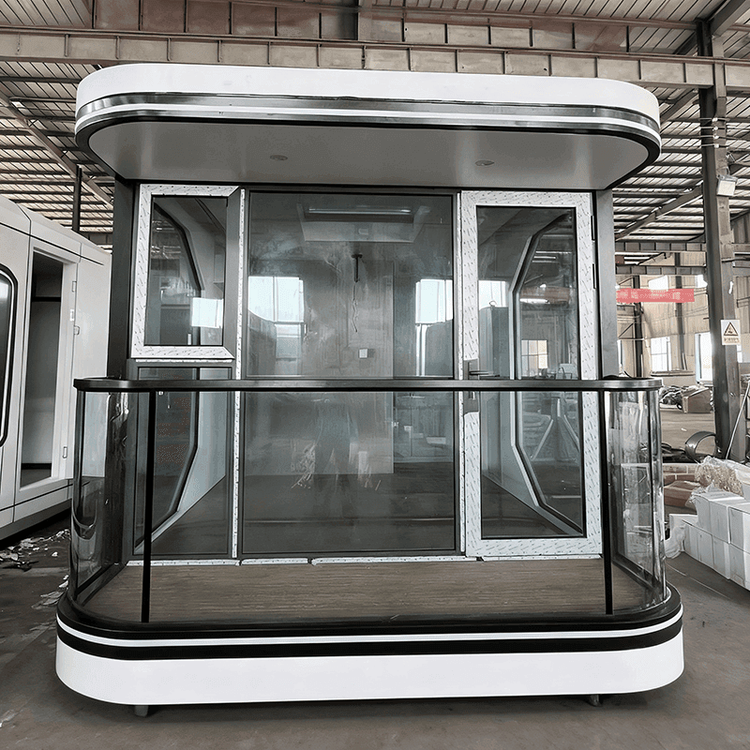
Fengjie Mobile Ecological Toilet Materials
The materials for Fengjie mobile ecological toilets mainly include main structural materials, exterior wall decoration materials, interior decoration materials, and other auxiliary materials, as detailed below:

Main structural materials: In the early days, metal keels and color-steel sandwich panels were commonly used. In recent years, the combined use of aluminum-plastic panels, new engineering plastics, and special alloys has become a trend. This combination can balance the relationships among corrosion resistance, lightweight properties, and cost. The steel structure framework is welded using high-strength galvanized steel, which has excellent rust and corrosion resistance, strong support capabilities, and can adapt to complex environments, providing stable support for the entire toilet.
Exterior wall decoration materials: There are multiple options. Color-steel panels are inexpensive but have poor thermal insulation, making them suitable for temporary use scenarios. Metal carved panels not only provide thermal insulation, moisture resistance, and flame retardancy but also feature rich patterns, meeting the needs of scenarios with high requirements for practicality and aesthetics. Anti-corrosion wood has a natural and rustic appearance, highly compatible with ecological scenarios such as forests and campsites. Aluminum-plastic panels are lightweight and durable, applicable to various scenarios.
Interior decoration materials: Integrated wall panels and aluminum-plastic panels are commonly used for walls and ceilings. These materials are waterproof, moisture-proof, and easy to clean, helping to maintain a clean interior environment in the toilet. The floor materials are anti-slip tiles or PVC flooring, which have good wear and anti-slip properties, ensuring the safety of users. The sanitary ware is made of ceramic or SMC polymer composite materials, which are highly stain-resistant and can be equipped with energy-saving functions, aligning with the environmental protection concept of ecological toilets.
Other auxiliary materials: The frame support is welded using channel steel/I-beams, meeting the requirements for lifting and facilitating the movement and installation of the toilet. For anti-corrosion treatment, anti-corrosion solid wood is used for the ash tray lines and doors, which are then painted to extend their service life. In addition, high-density polyethylene (HDPE) plastic is lightweight and highly corrosion-resistant, suitable for places that require frequent handling. Fiberglass-reinforced plastic (FRP) is also lightweight and corrosion-resistant, suitable for long-term outdoor use, although its wear resistance is slightly inferior to that of metal materials and requires regular maintenance.