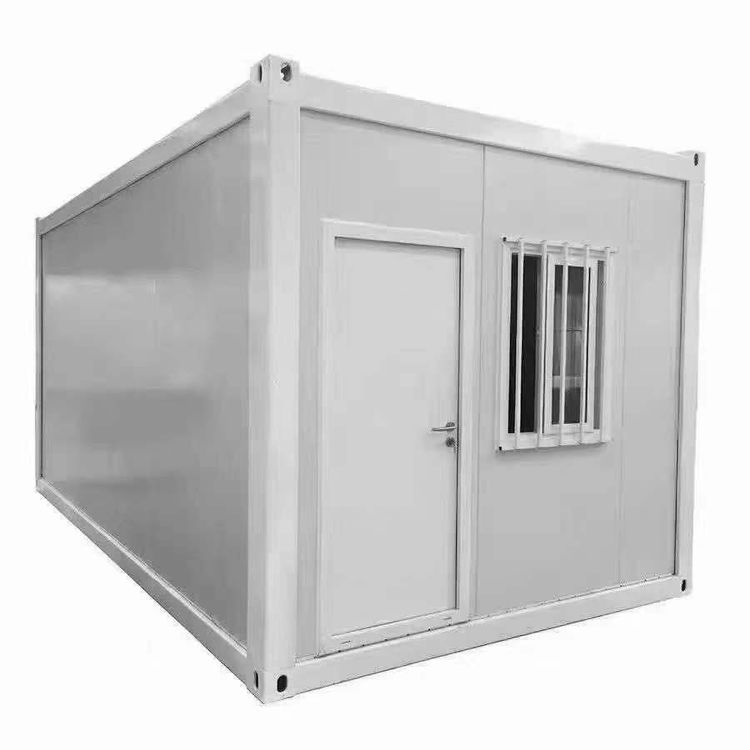
Fengjie Finished Mobile Toilet Production
The production of finished mobile toilets in Fengjie mainly involves two core aspects: material selection and modular design.

In terms of material selection, the main structural materials have undergone technological iterations. Initially, metal keels paired with color-steel sandwich panels were the primary choice. However, metals are prone to electrochemical corrosion in humid or saline environments, leading to a shortened structural lifespan. Subsequently, the introduction of fiberglass-reinforced plastic (FRP) molding technology significantly improved corrosion resistance. In recent years, the composite use of aluminum-plastic panels, new engineering plastics, and special alloys has become mainstream, ensuring lightweight requirements while optimizing cost and durability through material combinations. For the materials in internal functional areas, practicality and hygiene are emphasized. Toilets are mostly made of stainless steel or high-strength engineering plastics, with easy-to-clean and anti-sticking coatings on their surfaces. Interior wall panels need to have antibacterial and anti-fouling properties. Floor materials should be slip-resistant, waterproof, and wear-resistant, with common choices including microporous aluminum panels, rubber floors, or specially treated composite materials. Additionally, in areas with large temperature differences, the wall cavities are filled with insulation materials such as polyurethane and rock wool, which not only enhance user comfort but also prevent pipeline freezing in cold seasons and reduce energy consumption.
Modular design is the key to improving production efficiency and deployment flexibility. Structural modularization divides the toilet into several standard box modules. The main structure, interior decoration, and partial piping are pre-installed in the factory. On-site assembly only requires lifting, splicing, fastening bolts, and connecting a few interfaces, greatly shortening the construction period and reducing dependence on on-site technical conditions. The integrated packaging of functional systems further optimizes space utilization. Subsystems such as water supply, drainage, ventilation, and lighting are highly integrated into the floor cavity, wall cavity, or roof space, forming a "functional chassis". Some high-end models also integrate sewage treatment modules, using biodegradation, chemical treatment, or packaging technology to achieve on-site treatment or centralized collection of waste, avoiding secondary pollution. This design not only enhances the independence and adaptability of mobile toilets but also facilitates later maintenance and functional upgrades.
Through the combination of material innovation and modular design, finished mobile toilets in Fengjie achieve a balance of durability, functionality, and cost-effectiveness, enabling a rapid response to temporary or long-term usage needs in different scenarios.