
Fengdu Container House Colors
There is no fixed standard for the colors of container houses in Fengdu, and they can be freely customized according to needs. Common colors include white, gray, wood-tone series, and multi-color schemes. Here are the specific details:
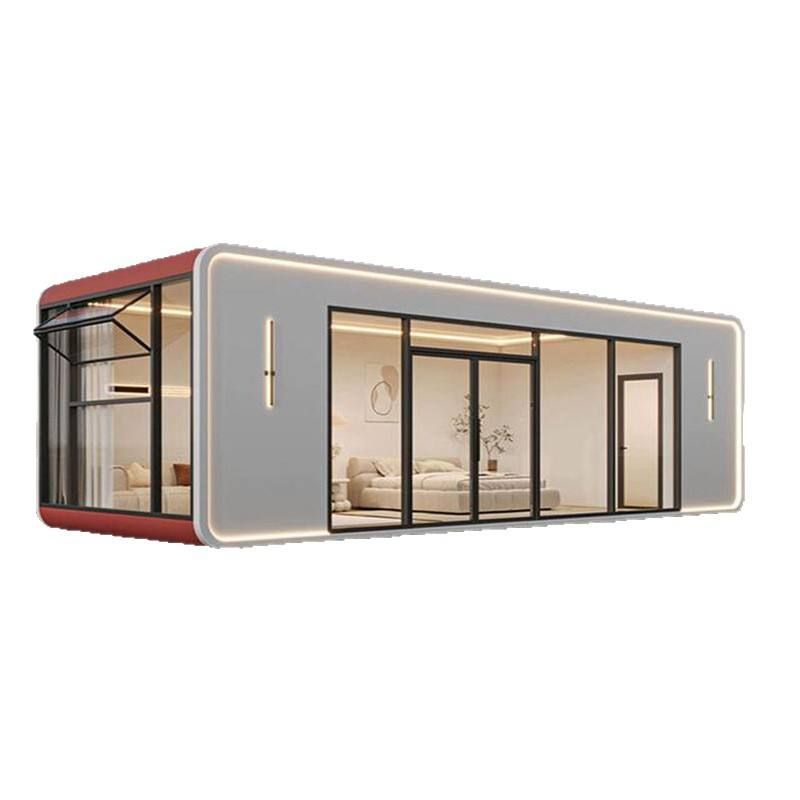
1. Basic Color Categories
The exterior colors of container houses mainly depend on their material coatings and design requirements. Common standard colors include neutral tones such as white and gray. For example, Suzhou Chengpin Integrated Housing provides white quick-assembly containers (with specifications like 3×3×2.8m and 3×4×2.8m) and gray glass-curtain-wall sunrooms. These colors are highly versatile, dirt-resistant, and easy to maintain, making them suitable for construction site dormitories, temporary offices, and other scenarios.
2. Customized Color Schemes
As container houses evolve from single-function to personalized and scenario-based applications, color choices have broken through traditional limitations. For example:
- Wood-tone series: In a case study by Nanjing Chenggong Color Plate Steel Structure Co., Ltd., users decorated the exterior facade with a warm wood tone and used white as the main interior color, creating a cozy and bright living atmosphere.
- Multi-color schemes: Cases displayed on Douyin (TikTok) show that container houses can integrate with environmental features such as rice fields, lakes, and hillsides through color schemes, achieving harmony with natural landscapes. For instance, a double-story container house adopts different color combinations for the upper and lower floors, accompanied by garden landscaping.
- Branded coatings: Some shipping companies or enterprises use brand-exclusive colors (such as yellow, green, red, blue, etc.) to coat containers, enhancing recognition and brand association. However, such designs are more common in shipping containers rather than residential ones.
3. Function-Oriented Color Choices
Color design is also related to functional requirements. For example:
- High-visibility colors: Temporary construction site housing may choose high-visibility colors like orange and yellow to enhance safety.
- Low-reflectivity colors: Container houses exposed to the outdoors for long periods may adopt low-reflectivity colors such as dark gray and dark green to reduce heat absorption and lower energy consumption.
- Personalized needs: Scenarios like homestays and shops can highlight styles through color combinations, such as lively tones like pink and blue series.
4. Technical Support and Material Innovation
Modern container houses are coated with water-based container paints (steel structure water-based paints, color steel tile paints), which not only extend service life but also support a diverse range of color choices. For example, water-based paints solve the wetting problem of sealant substrates by adding gemini-type organosilicon leveling agents (such as Hyperlev F39), ensuring uniform coating coverage and meeting personalized coating needs.



