
Advantages and Disadvantages of Fecal Box Mobile Toilets
The advantages of fecal box mobile toilets include flexibility and convenience, environmental protection and cost-effectiveness, strong adaptability, and relatively good sanitary conditions; the disadvantages are reflected in limited space comfort, high long-term usage costs, and weak sewage treatment capabilities.
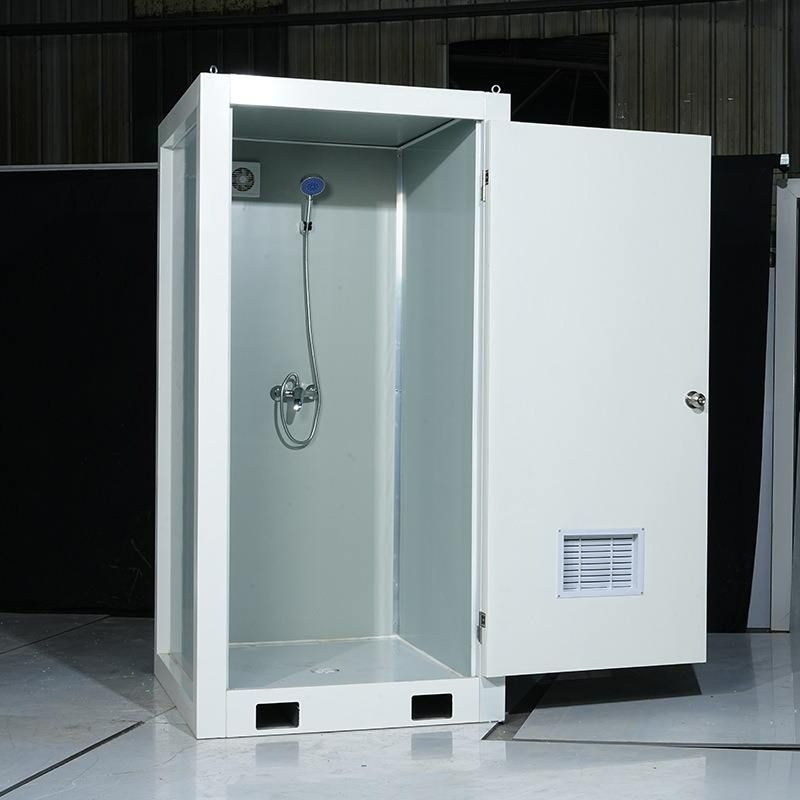
Advantages:
The core advantage of fecal box mobile toilets lies in their flexibility and convenience. They are highly mobile and do not require connection to underground sewage pipes or complex water and electricity infrastructure. They can be quickly deployed in temporary sanitation scenarios such as construction sites, outdoor event venues, and remote areas, making them particularly suitable for emergency or short-term usage scenarios. Secondly, outstanding environmental performance is another major highlight. The sealed fecal box design effectively prevents the leakage of excrement, which could otherwise contaminate soil and water sources. Combined with degrading agents, it can accelerate the harmless treatment of waste. Some high-end models are also equipped with solar ventilation systems to further reduce odors and pollution. In addition, they are economically practical, with relatively low initial investment and subsequent maintenance costs. There is no need to excavate the ground for pipe laying, and fecal box replacement services are charged on demand. They also avoid the water waste and high treatment costs associated with traditional toilets. Their strong adaptability is also noteworthy. Made of lightweight and sturdy materials, they are easy to transport and install and can adapt to various outdoor environments and climatic conditions such as high temperatures, severe cold, and humidity. Finally, they have relatively good sanitary conditions. Compared to simple open-air toilets or traditional pit toilets, the sealed container design prevents the spread of odors and the breeding of mosquitoes, reducing the risk of disease transmission.
Disadvantages:
The limitations of fecal box mobile toilets are mainly reflected in three aspects. Firstly, limited space comfort. The internal space is usually relatively small, and ventilation and lighting conditions are restricted. Although some high-end models have improved ventilation, lighting, and privacy protection through optimized designs, the overall comfort level is still inferior to that of fixed toilets. Secondly, high long-term usage costs. If used as a long-term solution, frequent removal and treatment of waste may incur high costs, while the maintenance costs of fixed toilets may decrease over time. Thirdly, weak sewage treatment capabilities. Compared to fixed toilets connected to the urban sewage system, the fecal boxes of mobile toilets require regular manual cleaning and cannot achieve large-scale, continuous sewage treatment, making it difficult to meet the needs of high-frequency or large-scale usage.



