Farm Container House Renovation
Farm container house renovation can achieve a practical and aesthetically pleasing transformation through modular design, functional integration, appearance beautification, and technological optimization. Here are the specific methods:

1. Modular renovation to meet farm functional requirements
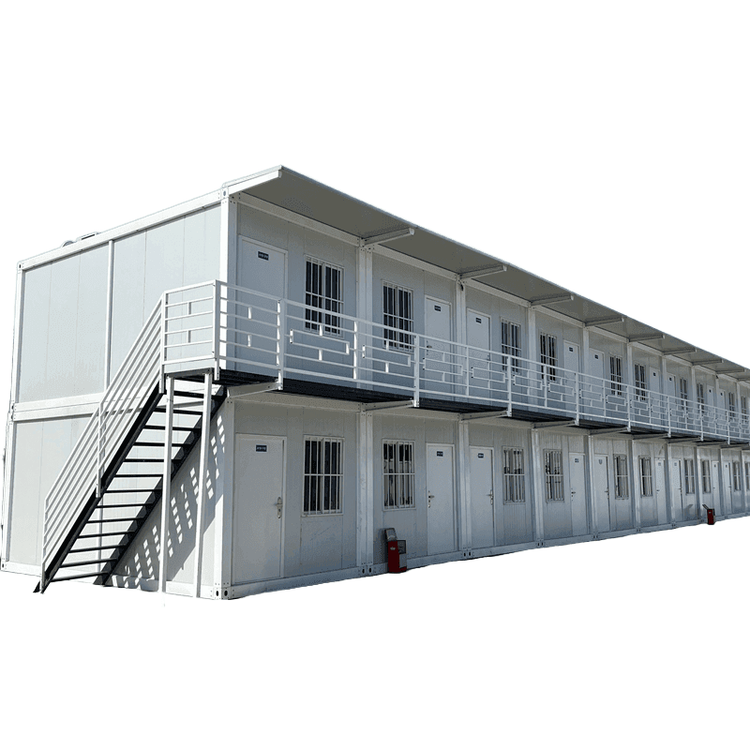
The elevated modular structure of containers does not require the pouring of permanent foundations, resulting in a short construction period. It is suitable for quickly building supporting spaces such as farm reception desks, rural cafes, and leisure tea rooms. For example, a student apartment in Berlin, Germany, uses stacked container modules to form a 11,000-square-meter stylish residential area. In a domestic case, six containers are spliced to form a 200-square-meter rural residence, covering residential areas, office areas, kitchens and bathrooms, and vertical planting spaces, meeting the diverse functional needs of the farm.
2. Space optimization to enhance living comfort
To address the issue of limited container space, technologies such as folding furniture and hydraulic decks can be used to expand the usable area. For example, in one case, the side of a container is equipped with an electric hydraulic system that can be unfolded with one click to form a deck terrace. The interior and exterior are separated by wire mesh glass walls, ensuring both lighting and reducing strong light. The internal furniture can be stored in the walls, and the bed board can be unfolded to accommodate seven people. In addition, adding thermal insulation materials (such as artificial board interlayers) can solve the temperature control problem in wild environments.
3. Appearance beautification to enhance rural integration
The appearance of containers can be integrated into the rural environment through color customization or artistic graffiti. For example, a farm has painted two old containers in bright colors and drawn farm animal patterns, making the building a popular spot for taking photos in the fields. A German container hotel retains its rusty exterior walls and pairs them with nurseries and patio furniture, creating a visual effect that blends industry with nature.
4. Technological renovation to ensure basic functions
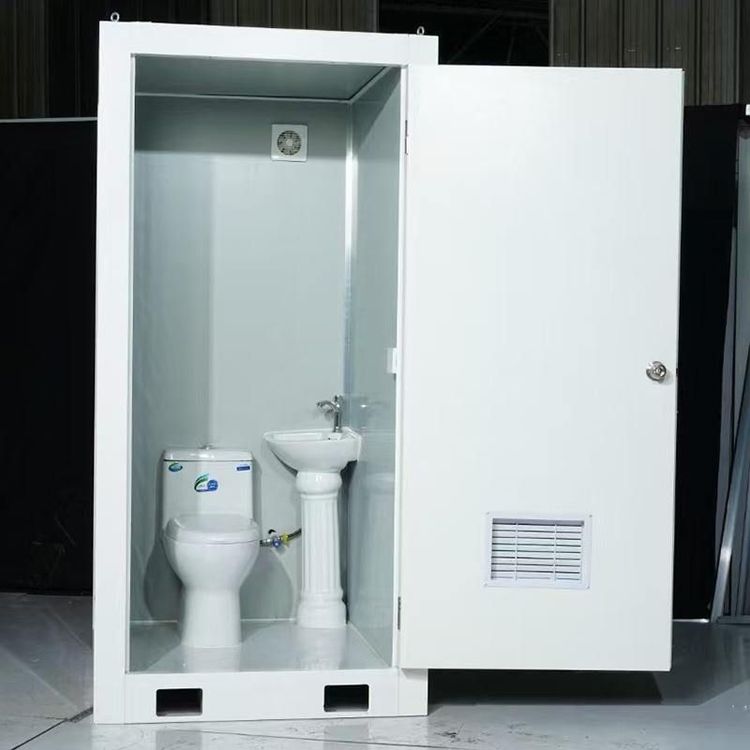
It is necessary to focus on addressing waterproofing, water and electricity, and ventilation issues: applying waterproof glue to the roof can extend its service life; water and electricity lines need to be planned in advance to avoid rework later; installing thermostats, air conditioners, and carbon dioxide valves can regulate the internal climate to meet planting or living needs. For example, a mobile farm in the United States achieves efficient vegetable cultivation in containers through LED light strips, nutrient solution circulation systems, and temperature control equipment.