Back to blog
Article
Fangshan Mobile Toilet Installation
Admin October 13, 2026
The installation of mobile toilets in Fangshan County should follow the principles of simplicity and efficiency, with core steps including positioning, assembly, connection, and functional debugging. The specific process is as follows:

Positioning and Site Selection
- Determine the installation location based on site planning and ground flatness, prioritizing flat areas with good drainage to avoid low-lying or sloped areas and prevent water accumulation or tipping risks.
- For flush toilets, plan the drainage path in advance to ensure pipes are connected to the septic tank or municipal sewage system; for non-flush toilets, reserve space for fecal collection.
Assembly Process
- Modular Mobile Toilets:
- Chassis and Frame Installation: Use a forklift or manual labor to place the prefabricated chassis steadily at the predetermined location, adjust the levelness, and ensure stability.
- Wall and Roof Panel Installation: Insert the wall panels sequentially into the chassis slots and secure them with bolts or clips; then install the roof panel and perform sealing treatment (such as applying waterproof glue) to prevent rainwater leakage. The overall wall installation usually takes 1-2 hours.
- Integrated Mobile Toilets (Box-Type Toilets):
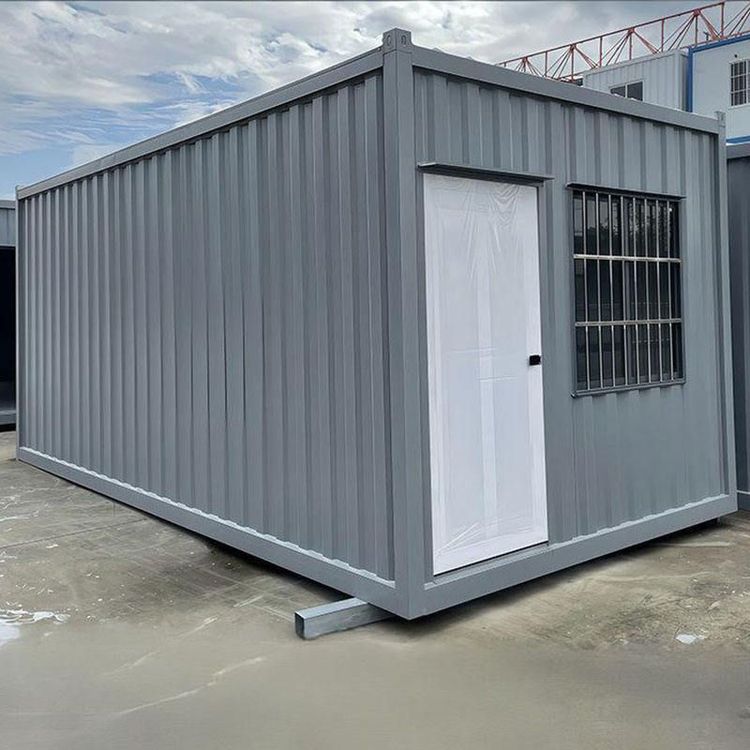
- The factory has completed interior decoration and equipment integration. On-site, only lifting into place and connecting water, electricity, and sewage pipes are required, reducing installation time to 2-4 hours.
- Modular Mobile Toilets:
Connection and Fixing
- Install internal facilities: including partitions, toilets, flushing systems, sinks (optional), lighting, and ventilation equipment (such as exhaust fans).
- Water and electricity pipeline connections: These should be operated by professionals, prioritizing modular quick-connect designs to save time; ensure proper grounding of electrical circuits and no water pipe leaks.
- Fixing measures: Use anchor bolts or heavy objects (such as concrete blocks) to reinforce the bottom of the toilet to prevent displacement caused by strong winds or human collisions.
Functional Inspection and Debugging
- Flushing test: Check water pressure and drainage for smoothness to avoid blockages or backflow.
- Circuit inspection: Confirm that lighting and ventilation equipment are operating normally without short-circuit risks.
- Sealing inspection: Focus on checking wall joints, doors and windows, and pipe connections to ensure no water leakage or odor leakage.
Precautions:
- After installation, post usage instructions and safety warnings (such as slip-resistant tips) in conspicuous locations.
- Regular maintenance (such as cleaning, disinfection, and equipment inspection) can extend service life and ensure hygiene conditions.
- If used for temporary events (such as exhibitions or construction sites), plan the dismantling scheme in advance to ensure an efficient and damage-free dismantling process.
Related