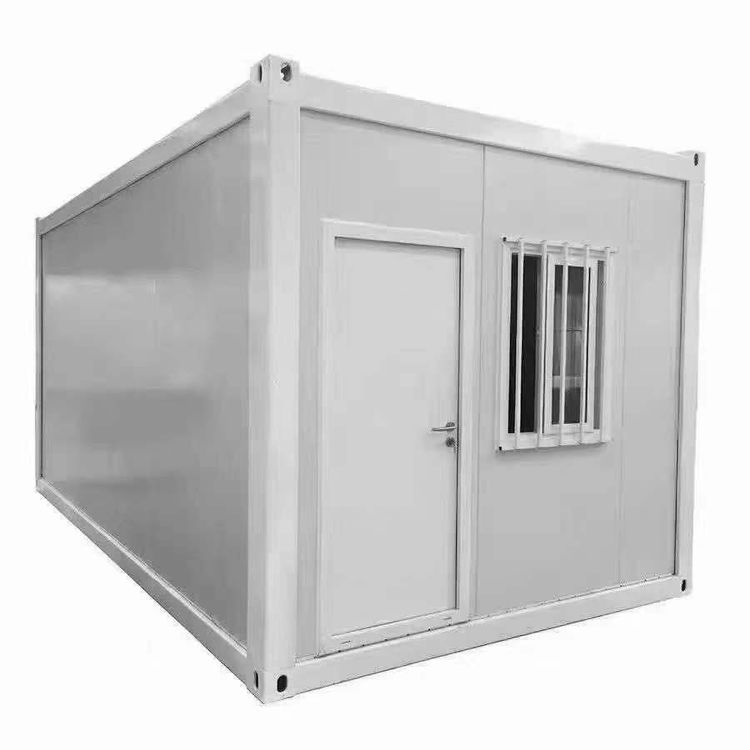
Family Mobile Toilet Facilities
Family mobile toilet facilities are flexible installations designed to meet the diverse toilet needs of families, featuring various types and functional characteristics suitable for different scenarios and user groups.

Design for Specific User Groups
Some family mobile toilet facilities are specifically designed for the elderly, pregnant women, and other individuals with mobility issues, utilizing portable toilet seats. These seats have strong load-bearing capacity, ensuring the safety and stability of users. For the elderly and pregnant women, when they need to use the toilet at night, they no longer have to go to a distant fixed toilet. Instead, they can use the portable toilet seat near their bedroom, greatly facilitating their daily routines and reducing the risk of accidents due to mobility limitations.
Structural Composition
Mobile toilets are generally composed of multiple parts. The fecal sewage storage tank (or fecal sewage treatment device) is used to collect and treat excreta, ensuring a hygienic environment. The floor provides a stable standing and moving surface. Sanitary fixtures, including toilet seats and squat toilets, cater to different usage habits. Walls serve to separate and protect privacy. Washing equipment facilitates user cleaning. Water tanks supply water for flushing and other operations. The roof provides shelter from wind and rain. The mobile device allows the toilet to be flexibly moved as needed.
Classification Methods
- By structural form: They can be divided into single-structure mobile toilets and composite-structure mobile toilets. Single-structure toilets are relatively simple and independent, while composite-structure toilets may be more complex and efficient in terms of functionality or space utilization.
- By mobility method: There are lifting and handling-type mobile toilets, which may require external equipment for movement. Powered and towed-type mobile toilets have a certain degree of autonomous mobility or can be moved by vehicle towing, making them more convenient to use.
- By sewage treatment method: They are classified into water-flush and waterless-suction mobile toilets. Water-flush toilets offer better cleaning results but require an adequate water supply. Waterless-suction toilets save water resources. Recirculating water-flush mobile toilets can recycle water, improving water utilization efficiency. Dry-packing mobile toilets package excreta in a dry form for easy subsequent cleaning and transportation.
Economical and Practical Models
For example, an economical and practical mobile toilet with a gray and white color scheme is designed with eight squat positions to meet the usage needs of a relatively large number of people. The overall appearance features gray and white metal carved panels, which are aesthetically pleasing. Separate entrances for men's and women's toilets are designed to achieve gender segregation and protect privacy. The front wall is equipped with sliding windows and stone wall lamps, ensuring ventilation and lighting. Independent squat positions in the toilet compartments are equipped with water and electricity fixtures, providing users with a comfortable and convenient toilet environment.