Mobile Toilets for Factory Workshops
Mobile toilets for factory workshops are facilities that can be moved as a whole, providing toilet services for factory personnel and having a positive impact on the work environment and production efficiency.
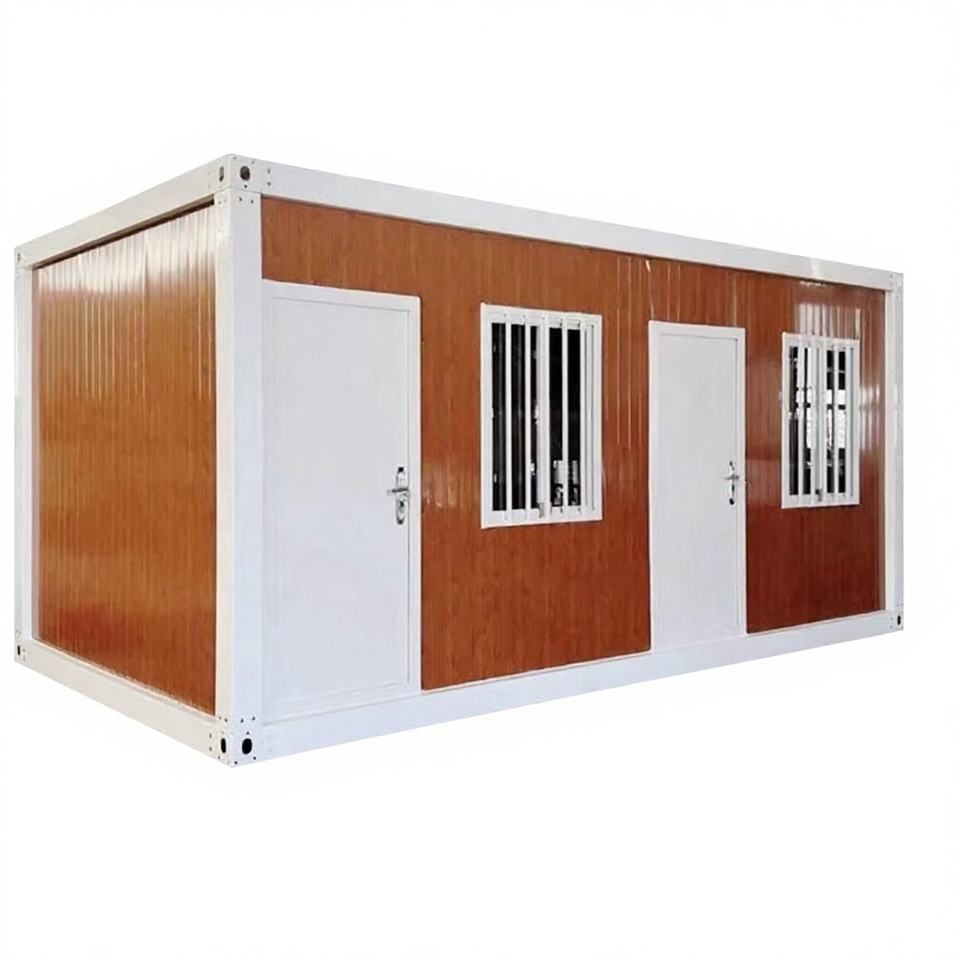
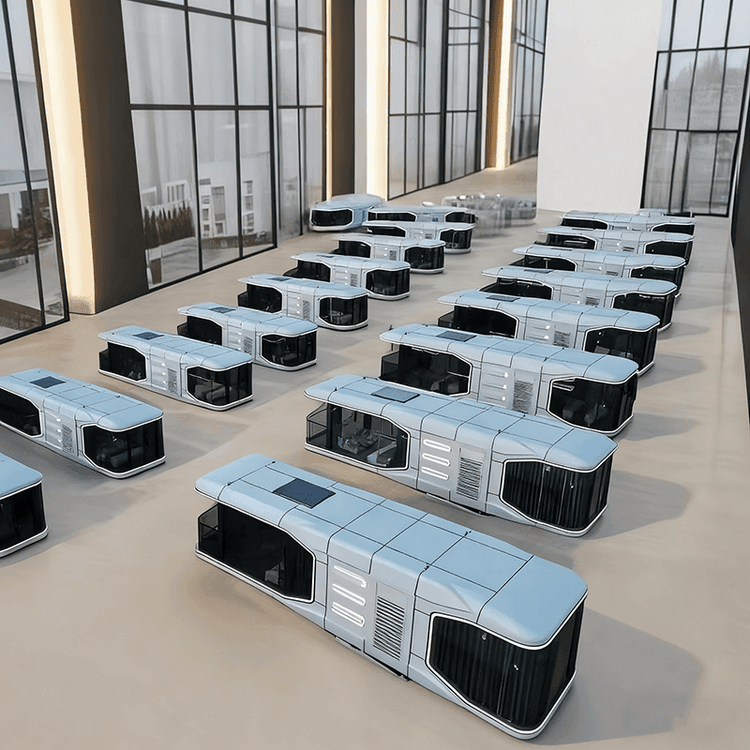
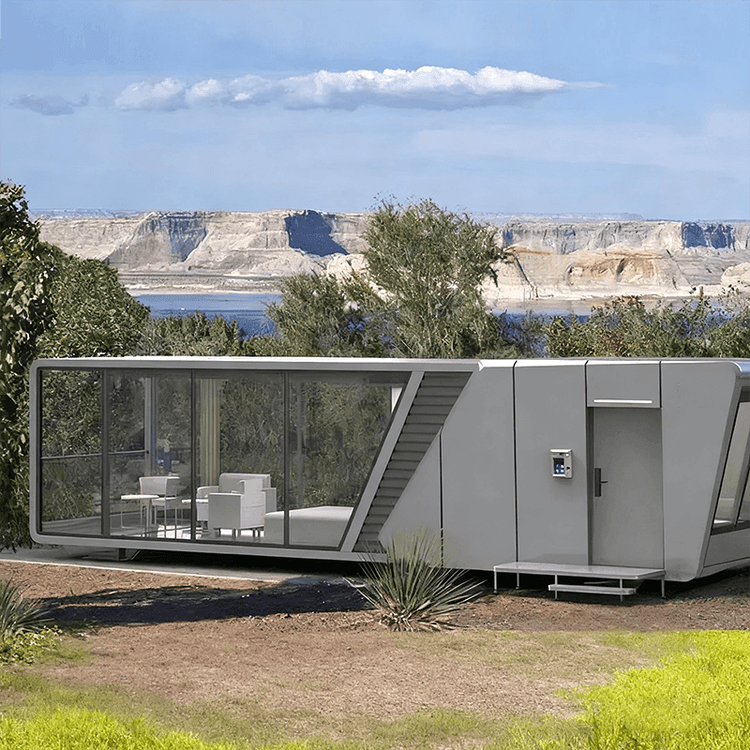
Structure and Composition: Mobile toilets for factory workshops are generally composed of fecal sewage storage tanks (or disposal devices), floor slabs, sanitary ware, walls, washing equipment, water tanks, roofs, and mobile devices. They are assembled using high-strength steel structural frames and modular walls, offering advantages such as rapid deployment, no need for civil engineering excavation, and the ability to be hoisted and moved multiple times.
Materials and Lifespan: Their materials have evolved from wood to fiberglass, polyethylene, etc. For example, the independent mobile toilets produced by Jiangsu Xinsheng Advertising Equipment Co., Ltd. are made of light steel and have a lifespan of up to 25 years, demonstrating the durability of modern mobile toilet materials.
Diverse Types: According to structural forms, they can be divided into single-structure and composite-structure mobile toilets; according to mobility, there are hoisting and handling types, powered and towed types, etc.; according to sewage treatment methods, they can be classified as water-flush and waterless-flush suction types, circulating water-flush types, and dry-packing types of mobile toilets. Different types of mobile toilets can meet the various usage needs and environmental conditions of factories.
Positive Impact on the Work Environment and Production Efficiency:
- Spatial Function Redistribution: It serves as a supplementary functional allocation to the fixed spaces in factories, reducing the unnecessary travel distance of employees due to toilet needs. For example, when installed in large-area workshops, it can significantly shorten the one-way travel time of remote workers, and the cumulative time saved per day can be converted into an increase in actual production capacity.
- Environmental Quality: Modern mobile toilets are equipped with independent ventilation devices and sealed septic systems, which can control odors and harmful gases within enclosed spaces, avoid sewage pipes passing through production areas, reduce interference with workshop air quality, maintain the concentration and physical comfort of operators, and indirectly affect work efficiency.
- Maintenance Cycle and Frequency: Using easy-to-clean materials and modular structural design, they support daily timed flushing and weekly in-depth maintenance. The cleaning process does not occupy workshop production time, and local areas will not be unavailable for long periods due to pipeline maintenance, reducing the probability of facility downtime due to failures.
- Human Resource Allocation: The dispersed layout of mobile toilets allows employees to complete their personal needs in a shorter time, making shift handovers more compact. In assembly line operations, it can avoid the entire production line waiting or slowing down due to the absence of individual employees.
- Space Utilization: Their mobility allows factories to dynamically adjust the location of facilities according to production plans. During peak order periods or temporary production expansions, additional toilet units can be quickly added, avoiding the civil engineering costs and time costs required for the expansion of fixed facilities, and without disrupting existing production orders due to construction.