Factory-Prefabricated Fine-Decorated Housing
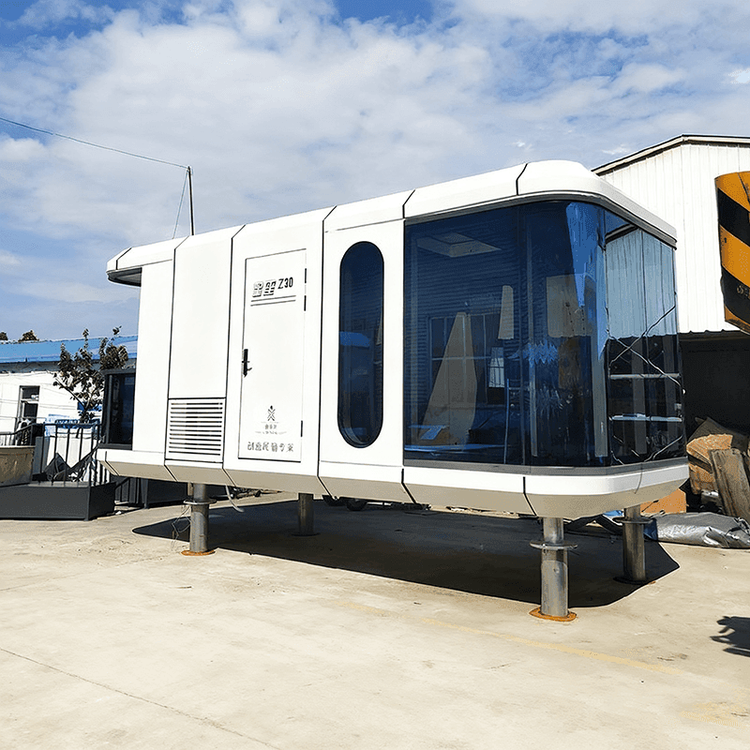
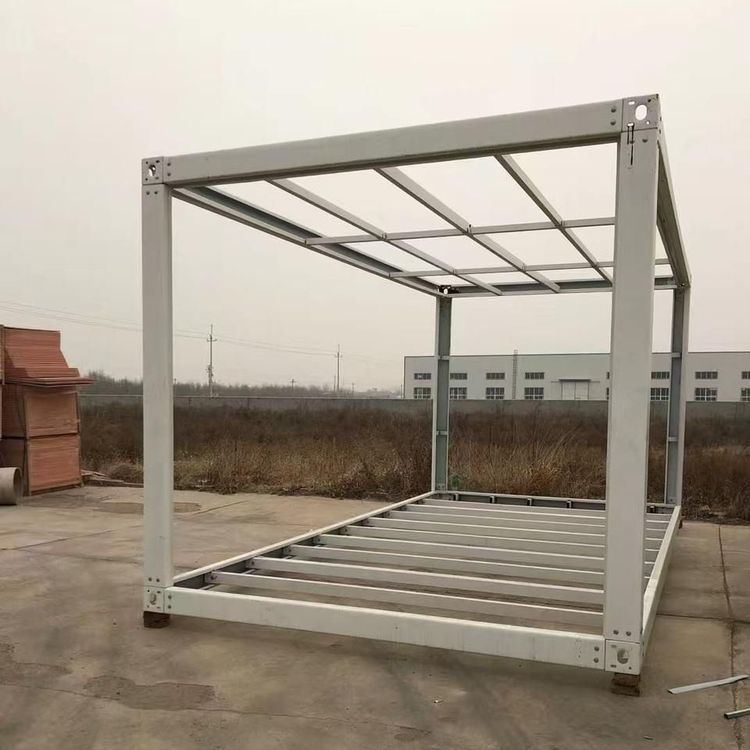
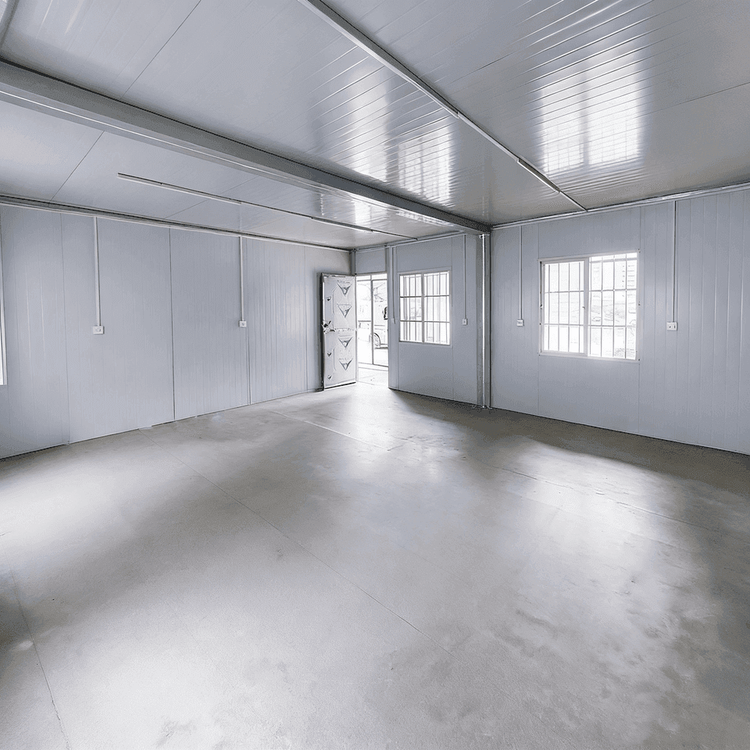
Factory-prefabricated fine-decorated housing typically refers to Modular Integrated Construction (MiC), which involves disassembling buildings into independent modules through industrial methods, completing the integrated manufacturing of structures, pipelines, and decorations in factories, and then transporting them to the site for assembly.

Production Mode: Industrialization and Refinement in Parallel
Modular buildings adopt an assembly-line operation mode, prefabricating components such as ceilings, floors, and walls in factories. Some projects implement refined management by assigning an 'ID card' to each module, recording information such as project name, model, and production date. During the design phase, the positions of steel bars and errors are controlled with millimeter-level precision to ensure the accuracy of module assembly. For example, the Shenzhen CSCEC Hailong Industrial Park achieves an annual delivery capacity of 20,000 to 30,000 modules through automated vertical warehouses and intelligent production lines, significantly enhancing production efficiency.
Construction Advantages: Short Cycle and Reduced Labor
Compared to traditional serial construction (scaffolding → bricklaying → plastering → decoration), modular buildings adopt a parallel operation mode, reducing construction cycles by more than 60%. For instance, in a public housing project in Shenzhen, the assembly of 6,028 concrete modules compressed the completion cycle from 2.5 to 3 years to just 1 year, with a 50% reduction in on-site labor. This model significantly reduces the complexity and uncertainty of on-site construction through standardized processes and prefabricated components.
Environmental Characteristics: Reduced On-site Pollution
The factory prefabrication process significantly reduces on-site noise, dust, and construction waste. For example, in a UK elderly care apartment project, 63 modules shipped from China required only two weeks for on-site hoisting; in a hotel project in Papua New Guinea, 84 modules were quickly assembled to form a fully functional building upon arrival. This model reduces reliance on the construction environment through centralized production and decentralized assembly, aligning with green building trends.
Market Applications: Expansion into Multiple Fields
In the first four months of 2023, the export value of portable houses by Chinese enterprises through the Shenzhen port reached 1.68 billion yuan, a year-on-year increase of 19.6%, covering more than 150 countries and regions. In addition to residential buildings, modular construction has expanded into data centers (with cumulative deliveries exceeding 1,000 megawatts of installed capacity), elderly care apartments, dormitories, and office buildings, demonstrating strong adaptability and market potential.
Industrial Chain Support: Full-Chain Collaboration
Modular construction relies on the collaboration of technological systems, production systems, and industrial clusters, requiring full-chain coverage from design and research, intelligent production, to overseas logistics and installation. For example, the Shenzhen CSCEC Hailong Industrial Park enhances the delivery capacity and international competitiveness of modular buildings through full-chain integration, providing support for the large-scale development of the industry.
Market research institutions predict that the global modular construction market will exceed $142.8 billion by 2030. This model of 'building houses like making cars' is reshaping the supply chain of the construction industry through standardized industrial production.